
Brazilian Trial Confirms Wolbachia Mosquitoes Cut Dengue Risk by 68% During Major Outbreak
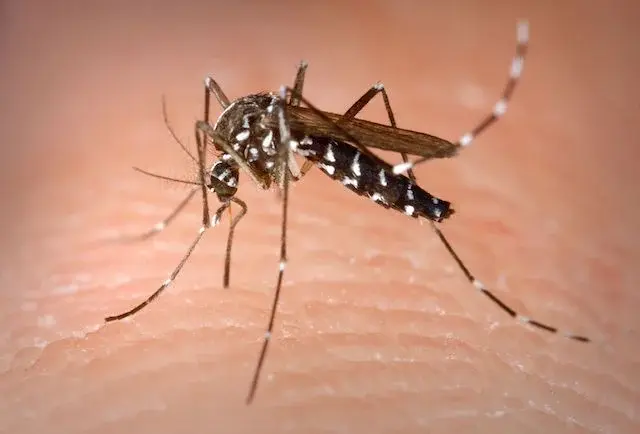
A four-year randomized trial in Belo Horizonte, Brazil, demonstrated that releasing Wolbachia-infected mosquitoes significantly reduced dengue and chikungunya infections among schoolchildren. The study, known as EVITA, recorded a 68.5% reduction in dengue cases and a 73.3% drop in chikungunya cases compared to standard vector control methods. These results were achieved during Brazil’s largest recorded dengue outbreak, suggesting the biological method offers robust protection even under high transmission conditions. The trial involved 5,757 children aged 6 to 11 across 58 geographic clusters, with releases occurring between January 2021 and May 2022. Researchers noted that the locally adapted wMel strain of Wolbachia established successfully for over three years, providing a sustainable alternative to chemical insecticides for controlling mosquito-borne viruses.
Key points
- The EVITA trial in Belo Horizonte showed a 68.5% reduction in dengue incidence and a 73.3% reduction in chikungunya cases among children in treated areas.
- The study utilized the wMel strain of Wolbachia bacteria, which inhibits viral transmission in Aedes aegypti mosquitoes and is passed to offspring, ensuring long-term control.
- Mosquito releases took place from January 2021 to May 2022, overlapping with the largest dengue outbreak ever recorded in Brazil.
- The trial included 5,757 participants aged 6 to 11, divided into 29 clusters receiving Wolbachia-infected mosquitoes and 29 receiving standard vector control only.
- Zika virus efficacy could not be assessed due to insufficient case numbers during the trial period.
- The findings were presented at the American Society of Tropical Medicine & Hygiene annual meeting in National Harbor, Maryland.
Background
Previous coverage in our archive noted similar findings from this Brazilian trial, highlighting a 69% reduction in infections and emphasizing the method's viability as an alternative to pesticide reliance. Earlier reports also connected these results to concurrent dengue outbreaks in Florida, underscoring the global urgency for effective mosquito control strategies. This new briefing confirms the specific statistical outcomes and the duration of the trial, reinforcing the potential of Wolbachia as a first-line measure for vector-borne disease prevention.
Why it matters
The success of the EVITA trial provides critical evidence that biological control methods can effectively mitigate mosquito-borne diseases even during severe outbreaks. By demonstrating sustained efficacy over three years without relying on chemical insecticides, the study supports the adoption of Wolbachia-infected mosquitoes as a primary public health strategy in tropical regions. This approach offers a sustainable, long-term solution to the rising threat of dengue, chikungunya, and Zika, potentially reducing healthcare burdens and environmental impacts associated with traditional vector control.
What to watch
Researchers and public health officials are expected to expand the use of locally adapted Wolbachia strains in other high-risk areas. The success in Belo Horizonte may accelerate the integration of this method into standard vector control protocols worldwide, particularly in regions facing recurring outbreaks of mosquito-borne viruses. Further studies may focus on optimizing release strategies and assessing long-term ecological impacts to ensure the method's widespread adoption.
Want the full story? Read the original reporting
Read on Good News Network