
science-and-health29.485 min read
Report Claims Modern Produce Has Lost Half Its Nutritional Value Since the 1960s
4 days ago•Source: New York Post

The latest science and health stories, each synthesized from multiple sources with added background and context.
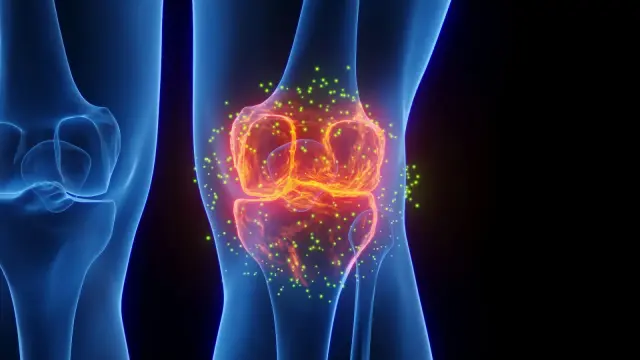
Yale researchers discovered that lacosamide, an FDA-approved epilepsy medication, can simultaneously reduce pain and repair cartilage in osteoarthritis when delivered via a specialized hydrogel. The study, published in Bioactive Materials, identifies the Nav1.7 protein as a dual target for both pain signaling and cartilage degradation. By using a temperature-sensitive collagen hydrogel to keep the drug localized in the joint, the treatment outperformed daily oral doses in preclinical tests, offering a potential path to disease modification rather than just symptom management.
The Conversation•6 days ago

Researchers at Mount Sinai have identified a specific neural circuit in the anterior hypothalamic nucleus (AHN) that acts as a 'volume knob' for stress reactivity. Published in Nature, the study shows that past trauma hyper-sensitizes this region, amplifying future threat responses. Silencing the connection between the amygdala and the AHN prevents this sensitization, offering a new potential target for treating PTSD and anxiety.
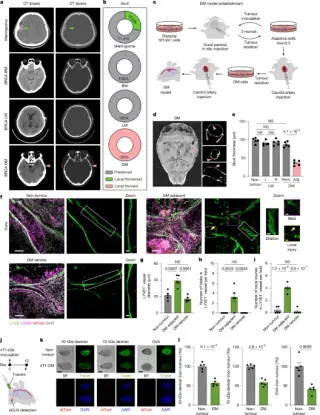
A new study in Nature reveals that cancer-related osteoclasts disrupt meningeal lymphatic drainage, creating an immunosuppressive environment that facilitates dural metastasis. Targeting these cells restores lymphatic function and enhances anti-tumor immune responses.
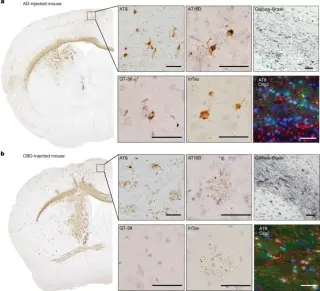
Researchers demonstrated that tau filaments from human Alzheimer’s and corticobasal degeneration brains can seed the formation of identical structures in mouse brains. This confirms that distinct tau folds act as prion-like strains, retaining their structural identity during transmission and driving disease-specific pathology.

Recent research indicates that coffee influences the gut microbiome more than 150 other foods, potentially affecting mood and cognition through the gut-brain axis. While caffeinated coffee reduces anxiety, decaf may improve memory, suggesting benefits extend beyond caffeine.

Cornell University researchers have documented the first molecular characterization of Marfan syndrome in domestic cats. The study, published in Scientific Reports on September 19, 2026, details the condition in two sibling cats, Gary and Shaggy, who exhibited connective tissue abnormalities. The team identified a specific variant in the FBN1 gene, which codes for fibrillin-1, a key component of connective tissues. This discovery provides a foundation for improved veterinary diagnostics and potential genetic testing for the rare disorder in felines.
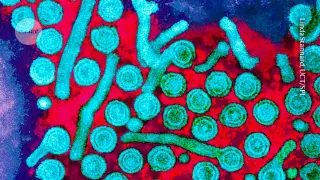
A new epigenetic therapy, CRMA-1001, has shown promise in silencing the hepatitis B virus (HBV) by adding chemical tags to viral DNA rather than cutting it. Developed by nChroma Bio and Italian researchers, the treatment targets both free-floating and integrated HBV DNA in the liver. Preclinical tests in human cells, mice, and monkeys yielded strong results with minimal side effects. A clinical trial has now begun in Hong Kong and New Zealand, with the first patient treated in January 2026. This approach aims to offer a potential cure for the 250 million people globally affected by chronic HBV, avoiding the cancer risks associated with traditional gene-editing methods.
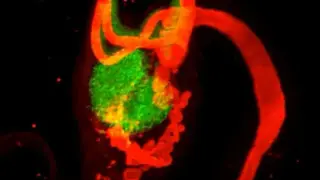
Researchers have challenged the long-held belief that the rete ovarii, a small structure connected to the ovary, is a useless vestigial remnant. New studies suggest it actively communicates with the ovary, responds to hormones, and releases proteins that may regulate ovarian function. While the findings are promising, they are based on mouse models, and it remains unclear if the structure is essential for human fertility. The discovery has sparked broader discussions about historical gaps in female anatomical research.
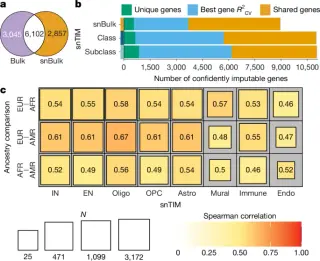
A coordinated series of nine studies led by the PsychAD Consortium has produced a comprehensive, cell-type-resolved map of genetic risk for major brain disorders. By analyzing over 6 million nuclei from 1,494 donors, researchers identified thousands of gene-trait associations previously missed by bulk tissue analyses. The findings reveal that disorders like Alzheimer’s and schizophrenia share common molecular pathways but exhibit distinct cellular signatures, offering new targets for precision medicine.
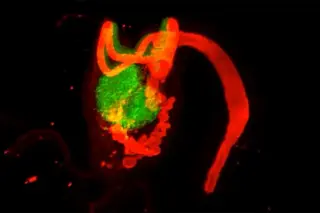
A 2024 study by researchers at the University of Michigan has revived interest in the rete ovarii, a small horseshoe-shaped structure in the female reproductive system that was removed from medical textbooks over a century ago because it was deemed functionless. The research, published in eLife, demonstrates that this 'mysterious orphan structure' is not vestigial but actively secretes fluids and interacts with the nervous, circulatory, and immune systems. Findings indicate the rete ovarii contains receptors for estrogen and progesterone and releases proteins involved in egg maturation and follicle maintenance. This rediscovery has sparked social media backlash against historical medical neglect of female anatomy, with critics noting that the male equivalent, the rete testis, remains in standard textbooks.
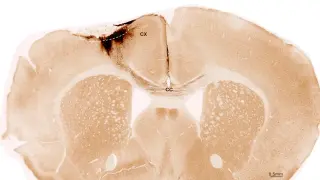
University of Zurich scientists found that transplanting human neural stem cells into the brains of mice one week after a stroke induced new neuron growth, repaired blood vessels, and restored movement. The study suggests a potential path for regenerative treatments, though significant hurdles remain before human trials.