
Cornell researchers identify first molecular case of Marfan syndrome in cats
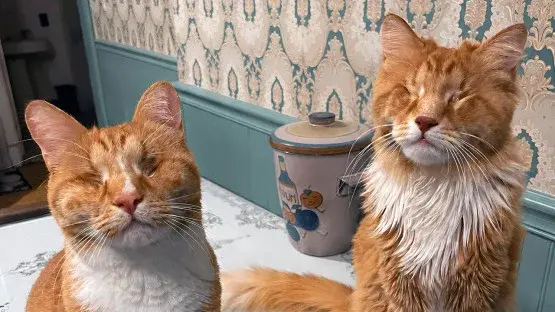
Cornell University researchers have documented the first molecular characterization of Marfan syndrome in domestic cats. The study, published in Scientific Reports on September 19, 2026, details the condition in two sibling cats, Gary and Shaggy, who exhibited connective tissue abnormalities. The team identified a specific variant in the FBN1 gene, which codes for fibrillin-1, a key component of connective tissues. This discovery provides a foundation for improved veterinary diagnostics and potential genetic testing for the rare disorder in felines.
Key points
- The first known case of Marfan syndrome in domestic cats was identified in two siblings, Gary and Shaggy, by researchers at Cornell University’s College of Veterinary Medicine and the Baker Institute of Animal Health.
- The findings were published in the September 19, 2026, issue of Scientific Reports, marking the first molecular characterization of the condition in cats.
- The cats exhibited symptoms including longer limbs, eye structure problems, and aorta enlargement, which are characteristic of Marfan syndrome, a rare inherited connective tissue disorder.
- The research team identified a variant in the FBN1 gene, which codes for fibrillin-1, a protein essential for connective tissue integrity in blood vessels, bones, ligaments, skin, and eyes.
- Both cats inherited two altered copies of the FBN1 gene, a rare occurrence compared to humans who typically need only one altered copy to develop the syndrome.
- The specific variant in the cats did not completely shut down the gene’s function, allowing some normal fibrillin-1 production, which likely enabled the cats to survive into adulthood.
Background
Marfan syndrome is a rare inherited disorder that weakens connective tissues, affecting approximately 1 in 4,000 people. While previously documented primarily in humans, this study represents the first molecular characterization of the condition in domestic cats. The research builds on the comparative approach central to the Baker Institute for Animal Health, which often uses animal models to understand human diseases. The discovery of a specific genetic variant in cats may aid in developing diagnostic tools and understanding the condition’s progression in other species.
Why it matters
This discovery provides a foundation for improved veterinary diagnostics and potential genetic testing for Marfan syndrome in cats. By identifying the specific genetic variant responsible for the condition in felines, researchers can help veterinarians recognize similar cases in the future. The findings also highlight the importance of collaboration between pet owners, veterinary specialists, and genetic experts in advancing medical knowledge for both animals and humans.
What to watch
Researchers may develop genetic tests for Marfan syndrome in cats based on the identified FBN1 variant. Further studies could explore the condition’s progression and management in felines, potentially leading to improved treatment options. The findings may also contribute to a better understanding of connective tissue disorders in other species, including humans.
Want the full story? Read the original reporting
Read on Cornell Chronicle