
Neuroimaging Meta-Analysis Shows Opposite Brain Activity Patterns for Reward Processing in ADHD and Autism
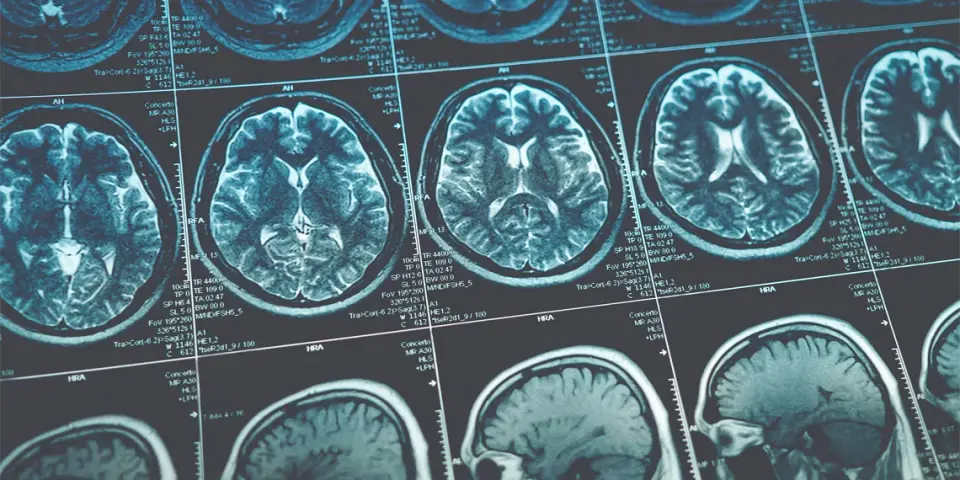
A new meta-analysis of 29 brain imaging studies reveals that ADHD and autism spectrum disorder (ASD) involve opposite patterns of brain activity in the same deep brain regions when processing rewards. While ADHD is associated with heightened activity in the amygdala and putamen, ASD shows reduced activity in these areas. These divergent neural responses help explain why individuals with ADHD often struggle with impulse control due to over-sensitivity to immediate rewards, whereas those with ASD may exhibit reduced drive for social rewards. The findings, published in Molecular Psychiatry, provide a biological framework for understanding the distinct behavioral challenges associated with each condition, despite their frequent co-occurrence and overlapping symptoms.
Key points
- A systematic review by researchers at Southwest University analyzed 29 functional magnetic resonance imaging (fMRI) studies involving 468 participants with ADHD, 424 with ASD, and 1,027 controls.
- Both conditions showed altered activity in the amygdala and putamen, but in opposite directions: hyperactivity in ADHD and hypactivity in ASD.
- ADHD participants exhibited reduced activity in the prefrontal cortex, linked to impulse control, while ASD participants showed heightened activity in medial prefrontal regions related to subjective value.
- The study linked ADHD's hyperactive regions to dopamine and serotonin receptor density, suggesting a biological basis for impulsive behavior driven by immediate reward sensitivity.
- ASD's hypoactive subcortical regions mapped onto areas rich in dopamine and serotonin receptors, indicating a general biological desensitization to rewards.
- Limitations include the grouping of different reward types (monetary vs. social) and reliance on healthy brain scans for connectivity analysis, necessitating future research with patient populations.
Background
This research adds to a growing body of evidence exploring the neurobiological underpinnings of neurodevelopmental disorders. Recent studies have highlighted shared genetic risks between autism, OCD, and Tourette's, as well as complex relationships between intelligence and impulsivity in ADHD. Additionally, healthcare systems in countries like England are facing increasing pressure to manage the rising demand for ADHD and autism care, making a clearer understanding of the distinct biological mechanisms behind these conditions crucial for developing targeted interventions and improving diagnostic accuracy.
Why it matters
Understanding the distinct neural mechanisms behind reward processing in ADHD and ASD can lead to more precise diagnostic tools and personalized treatment strategies. By identifying that these conditions involve opposite brain activity patterns in shared structures, clinicians can better differentiate between the two, especially in cases of co-occurrence. This knowledge may also inform the development of therapies that target specific neural circuits, such as enhancing prefrontal control in ADHD or modulating social reward processing in ASD, ultimately improving outcomes for individuals with these conditions.
What to watch
Future research will focus on separating distinct reward types, such as monetary and social rewards, to identify more specific brain signatures for each condition. Researchers also plan to conduct brain connectivity analyses directly in patient populations with ADHD and ASD, rather than relying on healthy controls, to validate the functional connections observed in this study. Additionally, further investigation into the role of dopamine and serotonin receptor density in these conditions may lead to new pharmacological targets for treatment.
Want the full story? Read the original reporting
Read on PsyPost