
ECT-Style Stimulation Recasts Adult Neurons into a Plastic, Youthful State
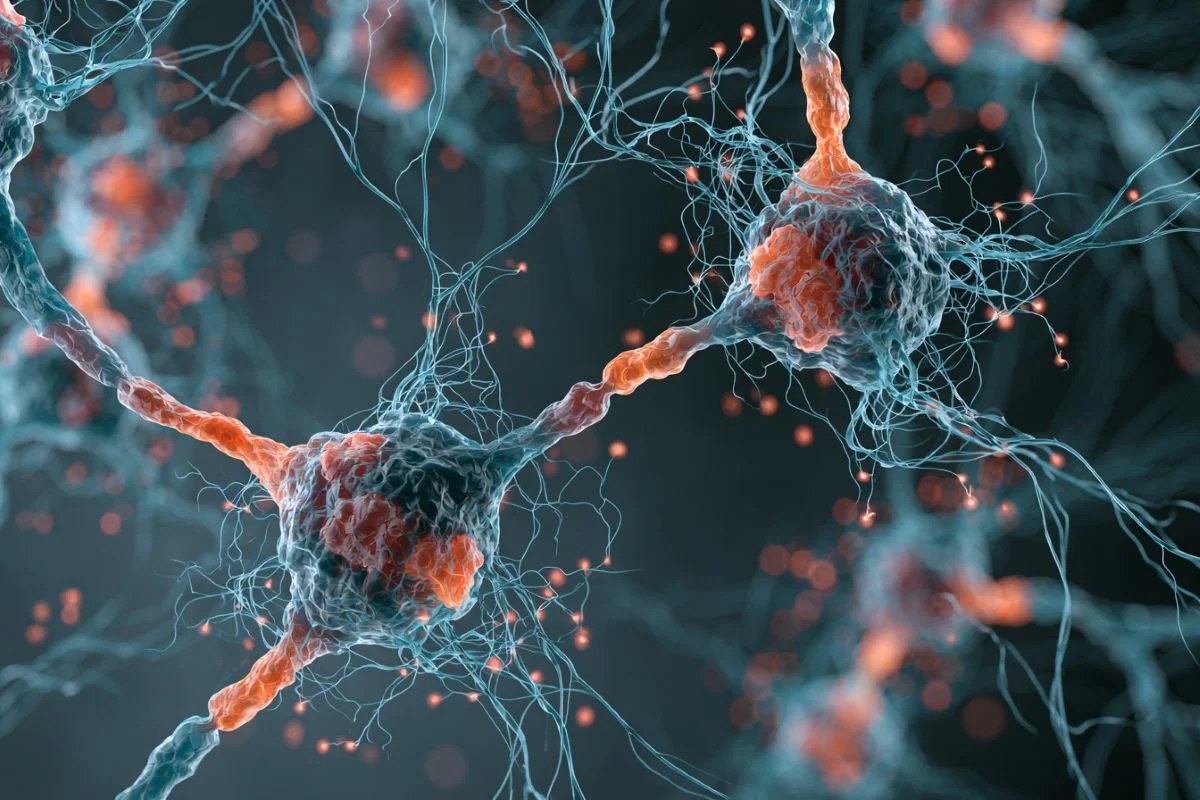
Researchers modeled ECT with REPOPS in mice to mimic ECT-like neuronal activation and found mature neurons undergo Cyclin B–driven nuclear reprogramming, entering a dematured, highly plastic state that lasts over a month. This state rewrites gene expression to resemble early postnatal development and persistently alters chromatin accessibility and neural coding, shifting from spatial maps to faster navigation signals. Human postmortem dentate gyrus from individuals treated with ECT show a similar immature-like gene expression profile, suggesting translational relevance. Blocking Cyclin B prevented nuclear reprogramming and behavioral changes, underscoring Cyclin B as a necessary driver. Caution is urged: while such plasticity could aid recovery after injury, it might contribute to pathology if misapplied.
Reading Insights
1
37
8 min
vs 9 min read
94%
1,726 → 111 words
Want the full story? Read the original article
Read on Neuroscience News