
L-BAIBA drives exercise adaptations through a PGC1α-PPARδ axis in muscle
TL;DR Summary
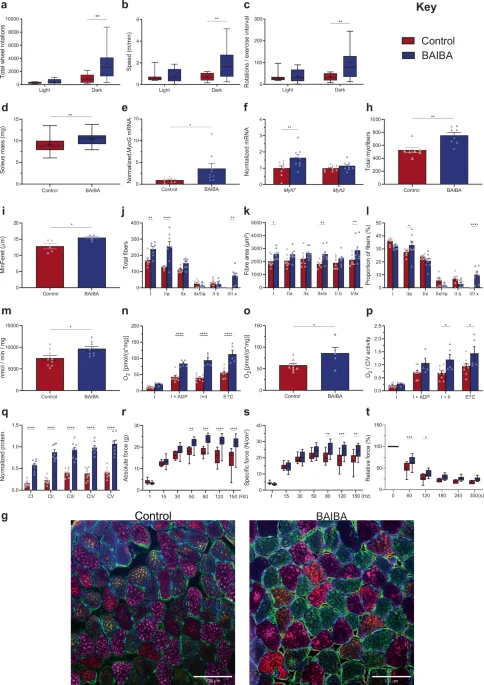
The study identifies the L-enantiomer of BAIBA as the primary muscle-derived metabokine that promotes exercise adaptations and performance via a PGC1α-BAIBA-PPARδ axis; BAIBA enhances mitochondrial function, fiber-type remodeling, and muscle strength in mice, mitigates diabetic muscle dysfunction, and in humans plasma L-BAIBA correlates with aerobic fitness and increases with endurance training.
- The metabokine β-aminoisobutyric acid mediates exercise performance and skeletal muscle adaptation through a PGC1α-BAIBA-PPARδ axis Nature
- A molecule released during exercise may help protect muscles weakened by type 2 diabetes Medical Xpress
- Myokines and Diabetes: Could Exercise Inspire New Drugs? Diabetes In Control
- Muscle-boosting molecule released during exercise University of Leeds
- Exercise-Boosting Molecule May Help Improve Muscle Health in Type 2 Diabetes Genetic Engineering and Biotechnology News
Reading Insights
Total Reads
1
Unique Readers
10
Time Saved
107 min
vs 107 min read
Condensed
100%
21,372 → 51 words
Want the full story? Read the original article
Read on Nature