
Moveable, cloning sponge could jumpstart degraded harbours
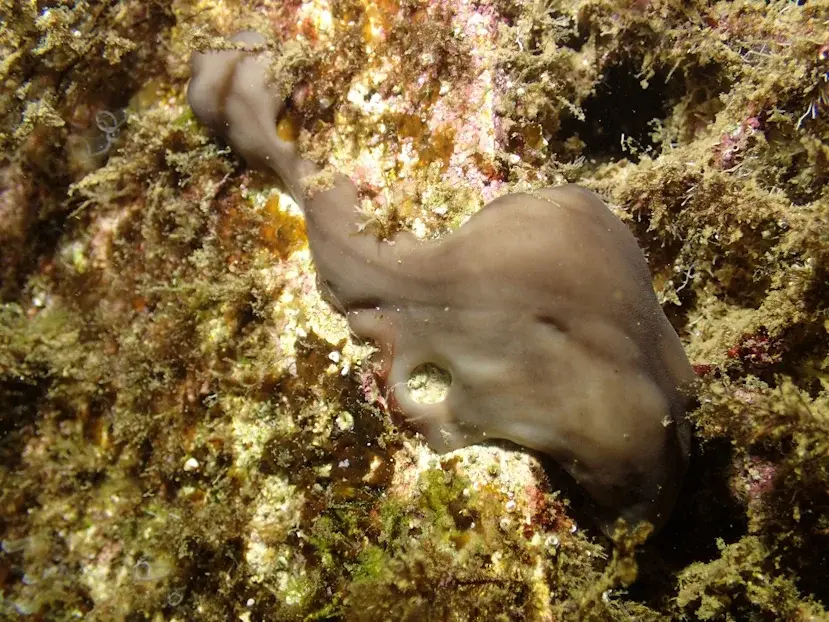
Researchers identified the Mediterranean sponge Chondrosia reniformis as the sole species among five tested that survived and thrived after transplantation into a degraded marina, showing movement, biomass stabilization, and natural cloning that increased its numbers from 24 to 40. Using computer vision and Life Boosting Units—plates of recycled ceramic on metal structures with calcium carbonate—the sponge acts as a habitat engineer and could underpin harbour restoration, though it is intended as a foundation alongside broader re-naturalisation strategies. The study, led by Manuel Maldonado and Carlota Escarré of CEAB-CSIC Blanes in collaboration with Ocean Ecostructures, appears in Frontiers in Marine Science.
- Self-moving, self-cloning sponge could restore degraded harbours Oceanographic Magazine
- Chicken kidney sponge could help clean up polluted ports Earth.com
Want the full story? Read the original reporting
Read on Oceanographic Magazine