
Toilet Flushing Releases Bioaerosols; Closing the Lid Reduces but Doesn’t Eliminate Risk
TL;DR Summary
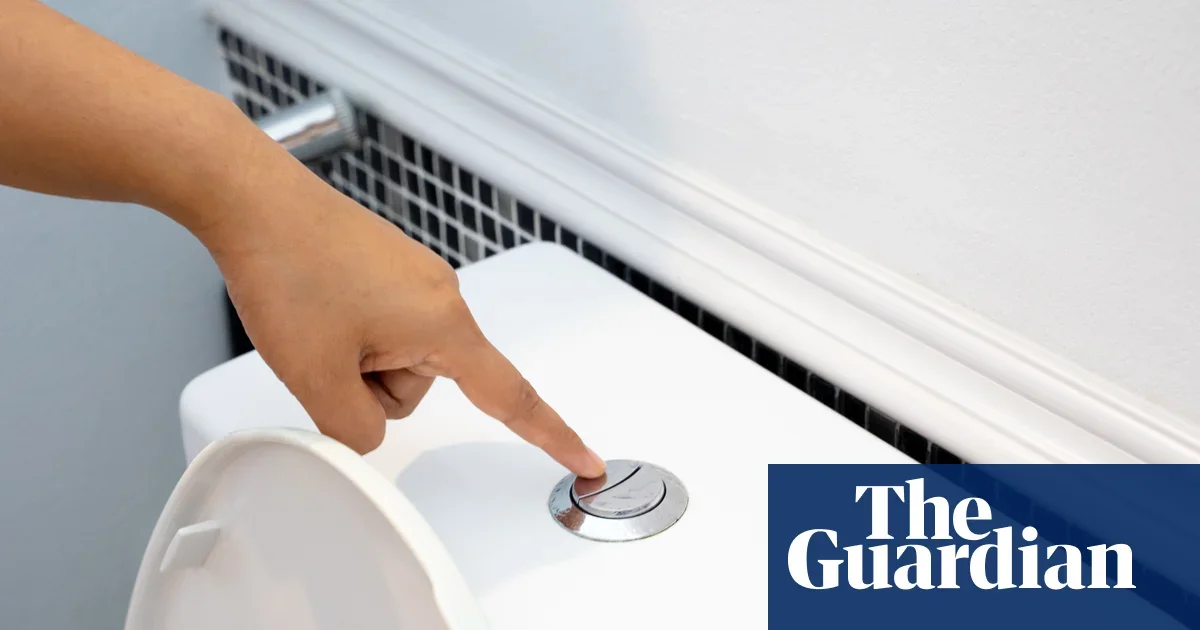
A review of 22 studies finds toilet flushing can eject microbes as aerosols into the air for at least 20 seconds, and closing the lid does not fully prevent exposure, though it may reduce it. Turbulent flushes generate more particles, and higher microbial loads increase bioaerosol release, with potential pathogens including Legionella, influenza and norovirus. Ventilation effects remain unclear, but the findings underscore implications for building design and infection control—especially in hospitals and care settings—advocating lower-volume flushes and lid use as precautionary measures rather than guarantees of safety.
- Flushing the toilet can release a ‘plume’ of breathable pathogens – and closing the lid won’t stop their escape The Guardian
- What Happens When You Flush? Study Reveals How Toilet Aerosols Reach the Breathing Zone Flinders University
- Every Toilet Flush Can Send a Cloud of Microbes into the Air That Can Reach Your Breathing Zone ZME Science
- Should You Bother Closing The Lid To Flush The Toilet? Probably, Unless You Want Microbes Erupting Into Your “Breathing Zone” IFLScience
Reading Insights
Total Reads
1
Unique Readers
13
Time Saved
3 min
vs 4 min read
Condensed
87%
700 → 88 words
Want the full story? Read the original article
Read on The Guardian