Tag

Genetic Screening

All articles tagged with #genetic screening

Silicon Valley startup launches embryo screening for autism and schizophrenia
technology12 hours ago

Silicon Valley startup launches embryo screening for autism and schizophrenia

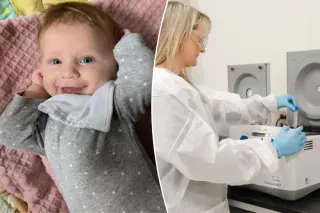
Herasight, a Silicon Valley-backed startup, has launched NeuroRisk, a new test that screens embryos for genetic markers linked to autism and schizophrenia. The service, which costs $25,000 per batch, assigns a risk score from 0 to 100 based on rare mutations. While the company claims to identify severe cases, medical experts and advocacy groups criticize the practice as unproven and potentially eugenicist, noting that autism is not caused by a single gene.
Preimplantation genetic testing expands beyond rare diseases to predict common health risks
health-and-science1 month ago

Preimplantation genetic testing expands beyond rare diseases to predict common health risks

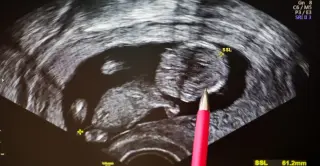
Vox reports on the growing trend of using preimplantation genetic testing for polygenic risk (PGT-P) during IVF to screen embryos for common health conditions, not just rare genetic disorders. This technology allows parents to select embryos with lower statistical risks for conditions like heart disease or diabetes, reflecting a broader cultural push to optimize fertility outcomes. While standard IVF screenings detect chromosomal abnormalities like Down syndrome, PGT-P analyzes multiple gene variants to estimate future health risks, raising ethical questions about the limits of reproductive control.

Genetic Mapping Reveals Celtic Curse Hotspots Across Britain and Ireland
science9 months ago

Genetic Mapping Reveals Celtic Curse Hotspots Across Britain and Ireland

A new study using UK Biobank and Viking Genes data maps genetic risk for hereditary hemochromatosis (the so‑called Celtic curse) across Britain and Ireland, finding the highest carrier rates in north‑west Ireland, the Outer Hebrides, Northern Ireland, and parts of Scotland. The authors argue targeted genetic screening in these hotspots could uncover many undiagnosed cases and enable early, simple treatment (regular blood donation) to prevent liver damage, cancer, and arthritis, while regional diagnosis patterns reflect historical migration and may indicate underdiagnosis in several areas.

Rising Early-Onset Cancers: Causes and Concerns
health1 year ago

Rising Early-Onset Cancers: Causes and Concerns

Certain types of early-onset cancers, including breast, colorectal, kidney, and uterine cancers, are increasing among people under 50 in the U.S., driven by factors such as obesity, reproductive changes, better detection, and environmental exposures. While the overall rise is small, it could have significant implications over time, highlighting the need for further research and early screening.

Gene Screening Reduces Early Disease Deaths by 25%
health2 years ago

Gene Screening Reduces Early Disease Deaths by 25%

A study by Stanford University and Genomics suggests that genetic screening could reduce premature deaths from diseases like cancer and diabetes by 25% by identifying high-risk individuals early. Using polygenic risk scores, researchers found that those at high genetic risk reach average disease risk levels much earlier, allowing for earlier intervention and treatment. This approach could significantly improve public health outcomes and reduce healthcare costs by tailoring screening programs to genetic risk profiles.

"New Saliva Test Revolutionizes Prostate Cancer Screening"
health2 years ago

"New Saliva Test Revolutionizes Prostate Cancer Screening"

New research suggests that at-home saliva tests are more effective at identifying men at higher risk of prostate cancer than standard blood tests. The study, conducted by the Institute of Cancer Research and The Royal Marsden NHS Foundation Trust, found that the saliva test could detect genetic factors linked to the disease, potentially leading to earlier and more accurate diagnoses. Preliminary results show the saliva test produced fewer false positives and identified a higher proportion of aggressive cancers. Further research is needed to confirm these findings and potentially implement a national screening program.

Breakthrough Saliva Test for Prostate Cancer Outperforms Blood Samples
health2 years ago

Breakthrough Saliva Test for Prostate Cancer Outperforms Blood Samples

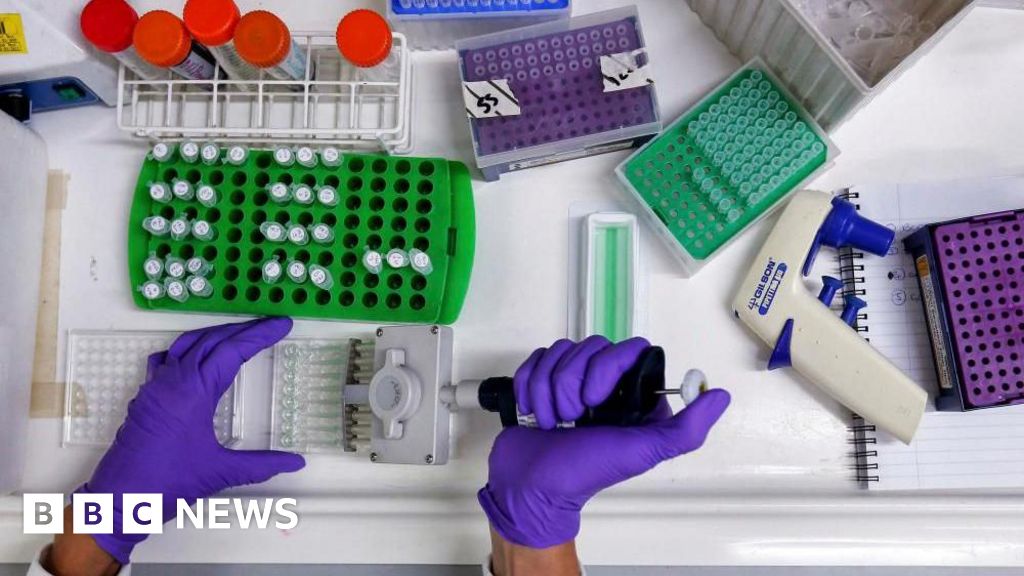
A new at-home saliva test for prostate cancer, developed by the Institute for Cancer Research in London, has shown to be more effective than current blood tests, potentially reducing unnecessary GP visits and physical exams. The test, which checks DNA for high-risk genes, could lead to earlier detection of aggressive tumors and fewer false positives. The trial, involving 6,142 men, found 187 cases of prostate cancer that might have been missed by traditional methods. The study aims to improve screening and outcomes for men, particularly those over 50, overweight, or black.

"Meiosis Mystery Solved: Mutation Unlocks Century-Old Enigma"
science2 years ago

"Meiosis Mystery Solved: Mutation Unlocks Century-Old Enigma"

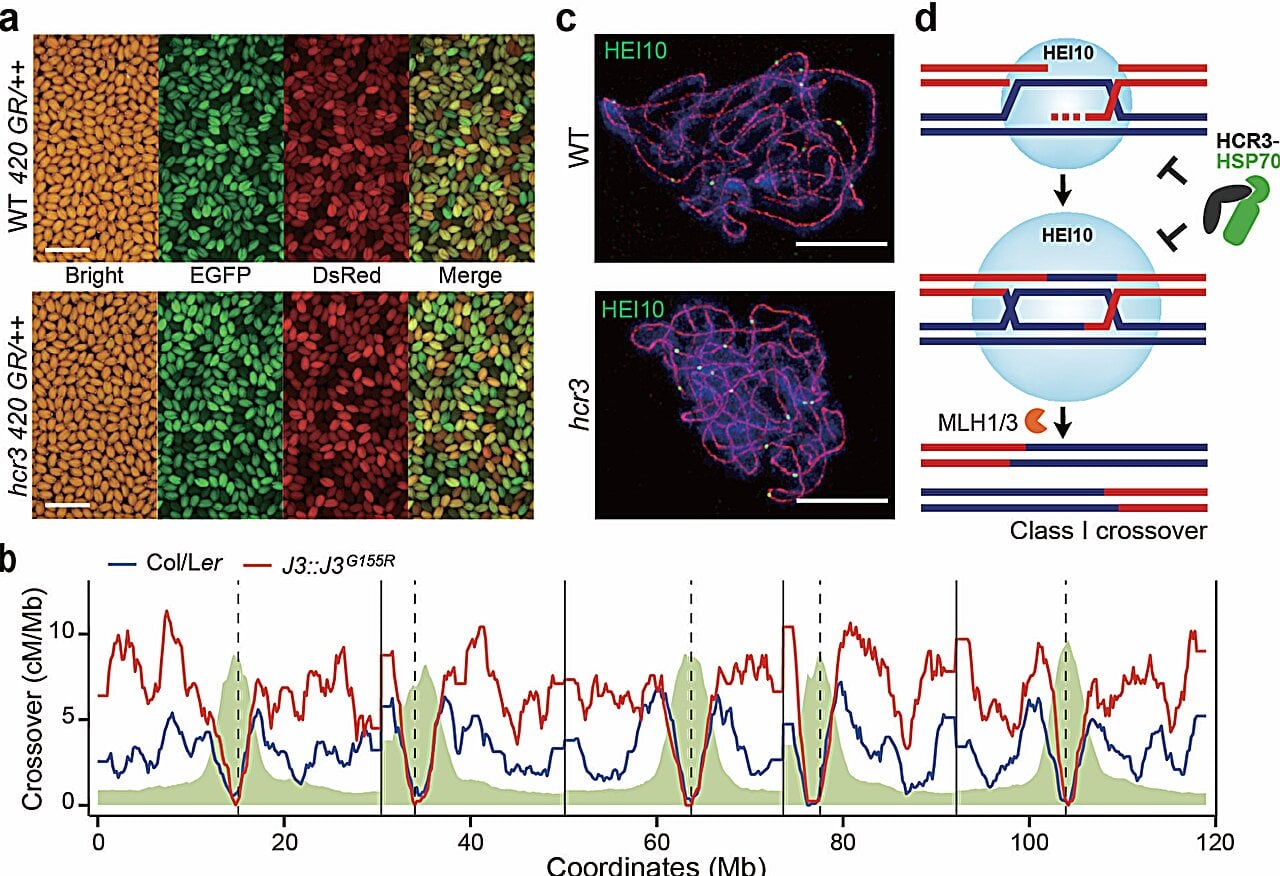
A research team at POSTECH has uncovered the molecular mechanism responsible for crossover interference during meiosis, a biological pattern at the chromosome level, by identifying a mutant named hcr3 (high crossover rate3) that exhibited an increased crossover rate at the genomic level in Arabidopsis plants. The elevated crossovers in hcr3 were attributed to a point mutation in the J3 gene, which encodes a co-chaperone related to HSP40 protein, demonstrating that a network involving HCR3/J3/HSP40 co-chaperone and the chaperone HSP70 controls crossover interference and localization by facilitating the degradation of the pro-crossover protein, HEI10 ubiquitin E3 ligase. This research has significant implications in breeding and agriculture, potentially enabling the rapid accumulation of beneficial traits and contributing to the breeding of new varieties and identification of useful natural variations responsible for desirable traits.

"Influence of Parental Traits on Neurodevelopmental Disorders"
health2 years ago

"Influence of Parental Traits on Neurodevelopmental Disorders"

A study involving over 97,000 families suggests that assessing parental traits related to neurodevelopmental and psychiatric disorders may provide a more accurate method of predicting the prevalence and severity of these conditions in children than genetic screening alone. The research highlights the influence of assortative mating based on psychiatric and neurodevelopmental traits in increasing the risk and potentially severity of these disorders in offspring. Understanding how both parents contribute to their child’s diagnosis could inform genetic counseling and the development of therapeutic intervention plans for affected children.

"Dogs Born Today Have Immunity Against Cancer, Thanks to Human Advances"
animal-health3 years ago

"Dogs Born Today Have Immunity Against Cancer, Thanks to Human Advances"

Dogs born today are expected to never die from cancer, thanks to advances in human medicine that are being translated to veterinary medicine. Dogs and humans share a similar lived environment, making dogs a good model for studying human diseases. Genetic screening, improved diagnosis, and treatment options are leading to better outcomes for dogs with cancer. Blood tests and drugs developed for human medicine are also being used on dogs. While not all cancers may be curable within the next 15 years, significant progress is being made, and the overall outlook is optimistic. Dogs are also helping scientists gain insights into human tumors.

Unlocking the Potential: Transforming Cancer Cells into Healthy Muscle Cells
health3 years ago

Unlocking the Potential: Transforming Cancer Cells into Healthy Muscle Cells

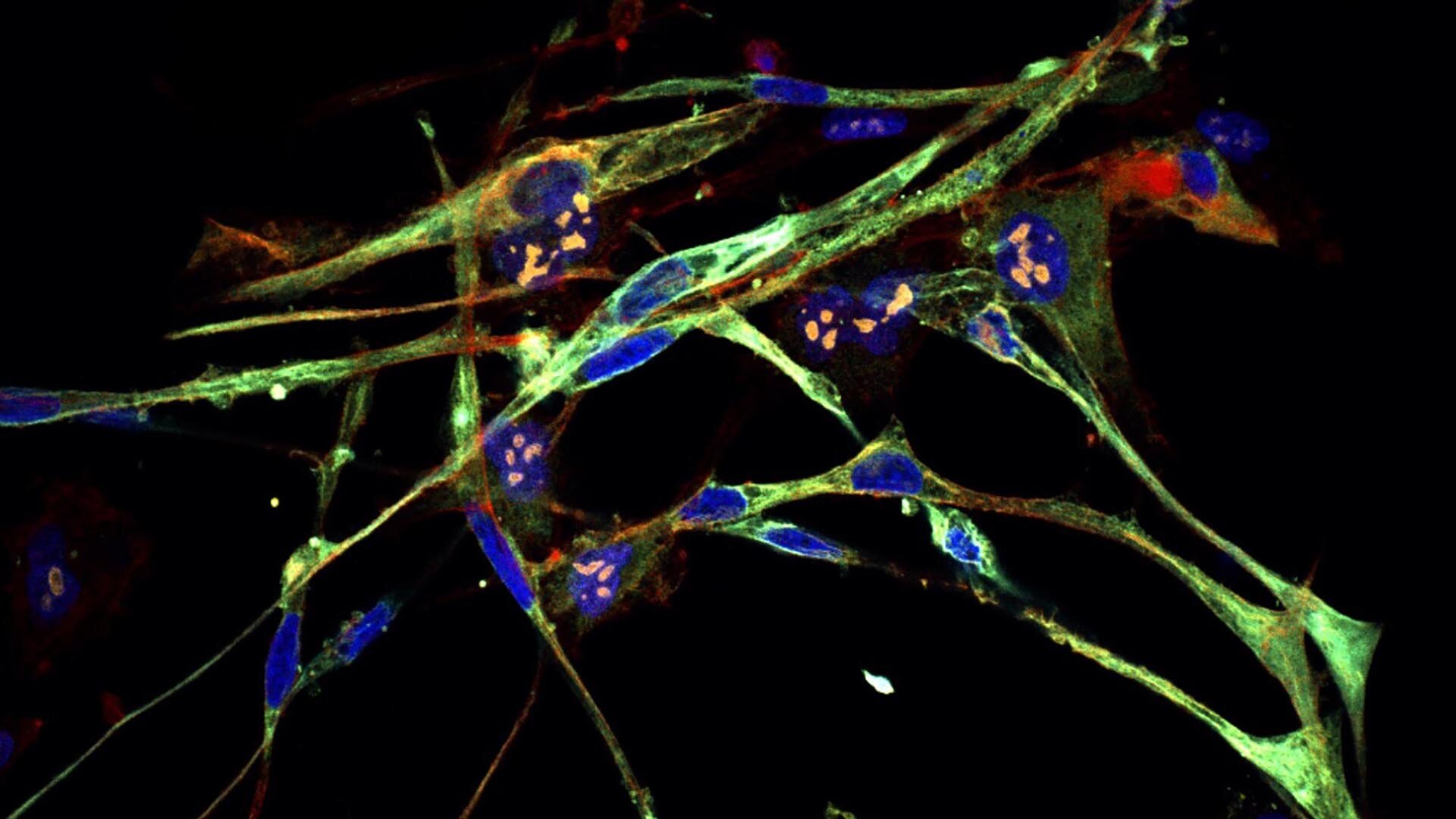
Researchers at Cold Spring Harbor Laboratory have discovered a way to transform rhabdomyosarcoma (RMS) cancer cells into healthy muscle cells. By disrupting a protein called NF-Y, the cancer cells lose their cancer attributes and take on the characteristics and functions of muscle cells. This breakthrough could potentially lead to the development of differentiation therapy for RMS and other cancer types, revolutionizing cancer treatment. The research was supported by families affected by RMS and Ewing sarcoma, and it offers hope for new therapeutic strategies to save children's lives.