
Congo Ebola Crisis: 8,000 Cases, 3,900 Deaths, and a Shifting Epicenter
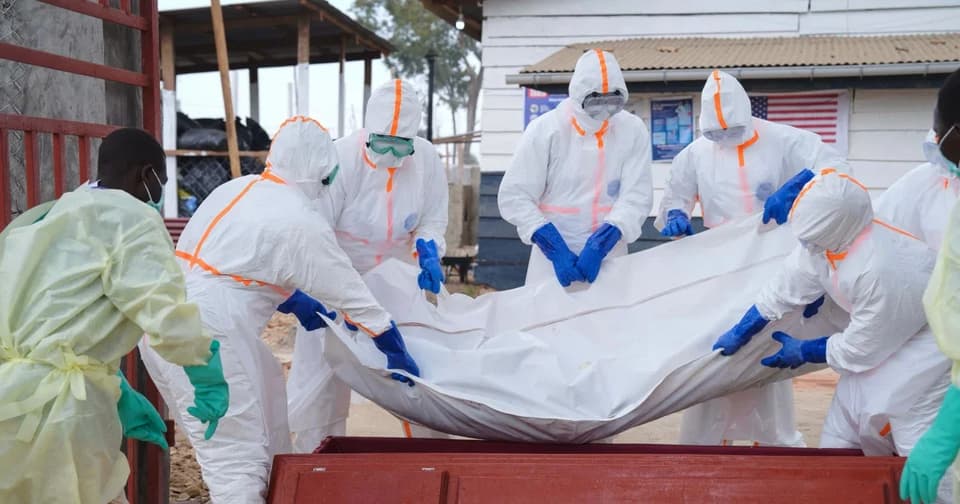
The Democratic Republic of the Congo has recorded over 8,000 confirmed Ebola cases and 3,900 deaths since May, driven by the rare Bundibugyo virus. While cases are declining in Ituri province, they are surging in North Kivu, and health workers are striking over unpaid wages, complicating containment efforts.
Key points
- As of Sept. 26, 2026, the DRC reported 8,067 confirmed Ebola cases and 3,901 deaths, with a fatality rate exceeding 48%.
- The outbreak, caused by the Bundibugyo virus, has no approved vaccine or treatment, though Ervebo vaccination is ongoing for frontline workers.
- Health workers have staged strikes due to delayed or missing payments, with 50 health workers dying since the outbreak began.
- Cases are declining in Ituri province but rising sharply in North Kivu, which saw a 73% increase in cases this month.
- The current outbreak has outpaced the 2014-2016 West Africa outbreak in terms of spread, with 7,840 cases by week 19 compared to 3,781 in the prior outbreak.
Background
The DRC's Ebola outbreak has been accelerating since May 2026, surpassing previous outbreaks in speed and severity. Earlier reports indicated the Bundibugyo virus was spreading rapidly in Ituri and other provinces, with health workers facing strikes and insecurity. The WHO and UN have allocated funds and staff to aid containment, but challenges persist due to weak infrastructure and conflict.
How outlets are covering it
NBC News and MedPage Today emphasize the overall case and death toll, highlighting the 48% fatality rate and the lack of treatment for Bundibugyo. Africanews focuses on the shifting epicenter, noting a 26% drop in cases in Ituri but a 73% rise in North Kivu, with treatment centers at capacity. All sources agree on the severity of the outbreak but differ in emphasis: NBC and MedPage Today focus on the national toll and health worker shortages, while Africanews highlights regional shifts and local capacity issues.
Why it matters
The outbreak's rapid spread and high fatality rate pose a significant public health threat, with potential for international spread. The lack of treatment and vaccine for Bundibugyo, combined with health worker strikes and insecurity, complicates containment efforts. The shifting epicenter to North Kivu, a region with prior Ebola outbreaks, raises concerns about further spread and the strain on local health systems.
What to watch
Health authorities are working to expand treatment centers and isolation facilities in North Kivu. The WHO is monitoring the outbreak's progression, with concerns about surpassing the 2014-2016 West Africa outbreak's toll. International support, including financial aid from the EU and US, is being pledged to bolster the response. Vaccination efforts for frontline workers continue, but no approved treatment for Bundibugyo is available.
- Congo Ebola outbreak tops 8,000 cases as health worker shortages worsen NBC News
- Congo's Ebola infections cross 8,000, government says Reuters
- Ebola cases surpass 8,000 as DRC struggles to control outbreak Yahoo
- 3,901 Dead in Outbreak; 8 Hospitalized After Cheese Consumption; New FDA Approvals MedPage Today
- Ebola: Sharp jump in cases in North Kivu while outbreak slows in Ituri africanews.com
Want the full story? Read the original reporting
Read on NBC News