
NTSB recovers key Learjet wreckage, including left elevator, in fatal Florida crash probe
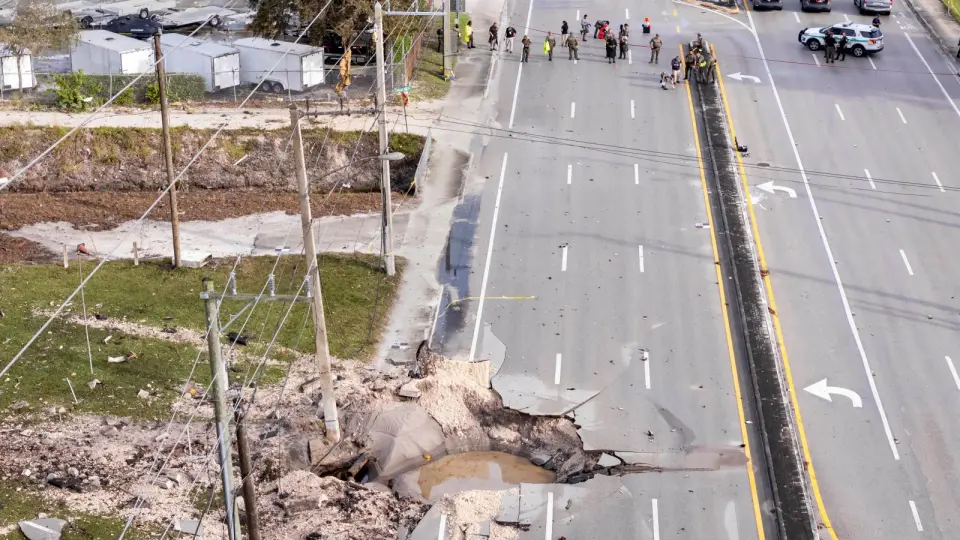
The National Transportation Safety Board has recovered critical wreckage from the Learjet 60 that crashed in South Florida on Nov. 1, killing nine people. Investigators located the left elevator, which suggests the plane broke apart before impact. The probe, complicated by severe weather and a destroyed aircraft, remains ongoing as families honor the victims.
Key points
- The NTSB recovered components from both wings, engines, the flight deck, and stabilizers, sending them to labs for inspection.
- The recovered left elevator is described as significant evidence indicating the aircraft was breaking up before hitting the ground.
- The crash occurred near a mobile home community in Palm Beach County, forcing at least 600 residents to evacuate.
- Investigators are prioritizing the recovery of the cockpit voice recorder to understand the final moments of the flight.
- The NTSB has warned the investigation will be lengthy due to the near-total destruction of the aircraft.
Background
The Learjet 60 crashed on Nov. 1 while traveling from Austin, Texas, to the Bahamas. All nine occupants, including pilot Jeffrey Gregory, co-pilot Nathalia Filgueiras, and seven passengers, died. The crash site is near Greenacres, Florida. Earlier reports confirmed severe turbulence and icing were reported by the crew before the crash, and viral rumors linking singer Lenny Kravitz to the flight were debunked by his representatives.
How outlets are covering it
USA Today and WPTV emphasize the physical recovery of wreckage, highlighting the left elevator as a key clue. CBS News focuses on the human element, quoting a friend of the co-pilot who called the audio recording 'the worst thing I've ever heard,' and notes the calmness of the crew. The New York Times highlights the father of the co-pilot, Allan Filgueiras, who called his daughter a 'hero' for her professional handling of the emergency. Former NTSB chair Robert Sumwalt, cited by CBS, suggests the cause is likely related to either icing or thunderstorm turbulence, noting that Learjets typically have weather radar to avoid such conditions.
Why it matters
The recovery of the left elevator provides a crucial physical clue that the aircraft was disintegrating before impact, a finding that could influence safety recommendations for business jets in severe weather. The investigation's complexity, due to the total destruction of the plane, underscores the challenges in determining causes for high-speed crashes in turbulent conditions.
What to watch
The NTSB will continue excavating the impact site and analyzing recovered components in Washington, D.C. laboratories. The agency is urging the public to report any found debris via email, including photos, to ensure all wreckage is accounted for. The investigation is expected to take a significant amount of time due to the extent of the damage.
- Investigators find wings, engine of downed Learjet plane USA Today
- Friend of co-pilot in Florida plane crash says audio of last moments "the worst thing I've ever heard" CBS News
- Father Calls Daughter, the Co-Pilot Killed in Florida Crash, ‘a Hero’ The New York Times
- NTSB completes most on-scene work in Greenacres Learjet crash investigation WPTV
- NTSB warns Florida residents not to keep debris from Learjet crash that killed 9 KTLA
Want the full story? Read the original reporting
Read on USA Today