
Learjet breakup confirmed as NTSB locates tail parts miles from Florida crash site
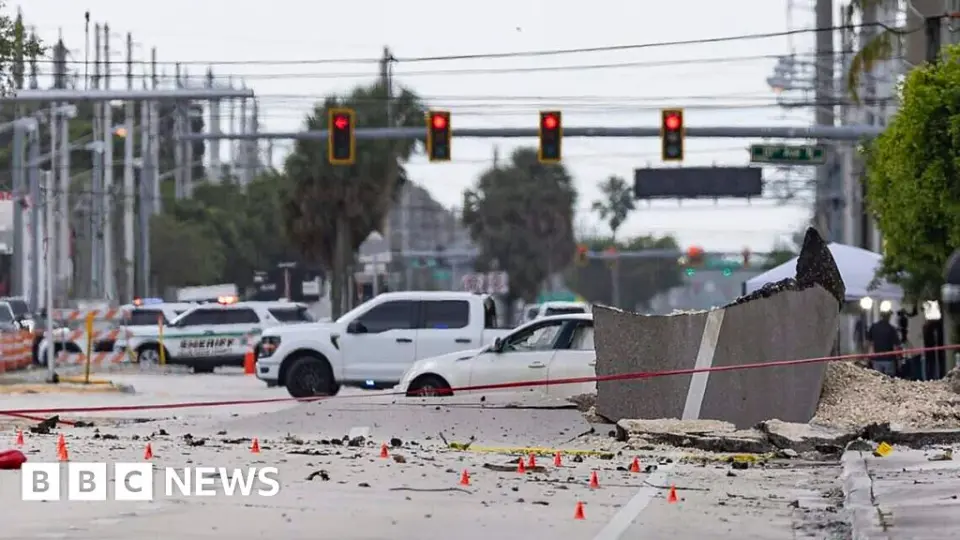
The NTSB confirmed that critical control surfaces of the Learjet 60 that crashed in Palm Beach County on November 1 were found up to 3.8 miles from the impact site, indicating the aircraft broke apart before hitting the ground. The crash killed nine people, including a Texas tech family and two pilots, after the jet descended at 20,000 feet per minute following reports of severe icing and turbulence. Investigators are facing challenges due to heavy rain filling the crash crater, while aviation experts debate the role of a nearby thunderstorm in the disaster.
Key points
- NTSB board member Tom Chapman stated that pieces of the aircraft's left elevator were located 1.3 to 3.8 miles from the crash site, suggesting pre-impact structural failure.
- The Learjet 60, flying from Austin to the Bahamas, descended from 35,000 feet to the ground in approximately 90 seconds after the co-pilot reported 'manageable' ice and moderate turbulence.
- All nine people on board died, including tech entrepreneur Adam Robinson, his wife Helen Sharp, their two children, their nanny, two friends, pilot Jeffrey Gregory, and co-pilot Nathalia Filgueiras.
- Investigators are struggling to access the wreckage due to a large crater filled with rainwater, and the crash has displaced hundreds of residents from a nearby mobile home park.
- The NTSB is focusing on weather conditions, specifically supercooled water in a fast-growing thunderstorm, as a major factor in the crash investigation.
Background
This crash is the second deadliest in the US this year, following a June skydiving plane crash in Missouri. It is also the deadliest crash involving a Learjet 60 according to the Flight Safety Foundation. The aircraft was operated by Upper Jets, and the pilot, Jeffrey Gregory, had previously worked with East Coast Jets. The co-pilot, Nathalia Filgueiras, was a 20-year-old Brazilian-American who earned her pilot's license at 17.
How outlets are covering it
The NTSB emphasizes the significance of finding the left elevator miles from the crash site, indicating the plane broke apart before impact. CNN highlights the rapid descent and the co-pilot's final transmissions, while also noting the role of a fast-growing thunderstorm. The Palm Beach Post focuses on the human impact, including the displacement of hundreds of residents and the families' grief. Some outlets, like the Toronto Star, provide less detailed coverage, while others, like CNN, offer a more comprehensive timeline and analysis of the weather conditions. There is a consensus on the facts of the crash, but the emphasis varies between the technical investigation and the human tragedy.
Why it matters
The crash highlights the dangers of in-flight icing and the importance of weather awareness for pilots. The NTSB's investigation will likely lead to new safety recommendations or regulations regarding icing conditions and aircraft maintenance. The crash also underscores the impact of aviation accidents on local communities, as hundreds of residents were displaced and the area remains closed for investigation.
What to watch
The NTSB will continue to investigate the crash site, focusing on the role of weather and the aircraft's structural integrity. They will also try to recover the black box, which could provide crucial information about the final moments of the flight. The county is considering declaring a state of emergency to help displaced residents and businesses. The investigation is expected to take several weeks, and the area may remain closed for an extended period.
- NTSB says crucial plane parts found three miles from Florida crash site BBC
- What’s next in the investigation of the Learjet crash in Florida that killed 9? Toronto Star
- ‘Mayday, mayday.’ A flight from Texas to the Bahamas ended in tragedy. What investigators are examining CNN
- Florida plane crash. Brother, 2, and sister, 4, among the victims The Palm Beach Post
- The Final Seconds Before a Learjet Plunged Into a Florida Street WSJ
Want the full story? Read the original reporting
Read on BBC