
Copa and UPS planes collide on Miami taxiway, FAA probes failure to yield
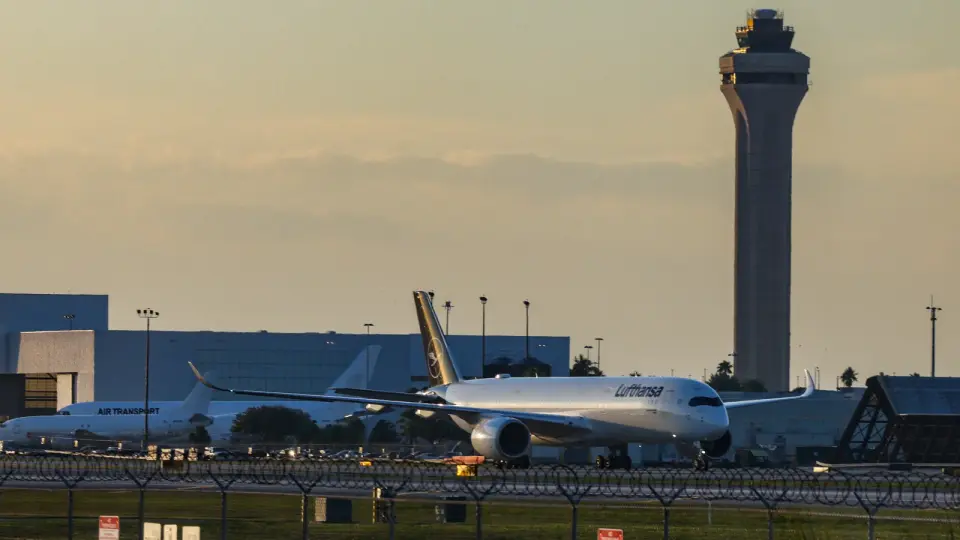
A Copa Airlines passenger jet and a UPS cargo plane collided on a taxiway at Miami International Airport on Saturday evening, causing minor injuries to two people. The Federal Aviation Administration is investigating the incident, which occurred shortly after a nationwide ground stop. Controllers had instructed the UPS crew to yield to the Copa flight, but the UPS aircraft moved into its path, resulting in the Copa wingtip striking the UPS nose. Airport operations continued with minimal disruption as flights were rerouted.
Key points
- Collision occurred at approximately 9:15 p.m. local time on Nov. 14 at Miami International Airport.
- Copa Flight 427, a Boeing 737 arriving from Panama City, carried 166 passengers and six crew.
- The UPS aircraft was a Boeing 767 taxiing for departure to Bogota, Colombia.
- Two individuals sustained minor injuries and were treated on-site by Miami-Dade Fire Rescue; no hospitalization was required.
- FAA states controllers instructed the UPS crew to give way to the Copa flight, but the UPS plane proceeded into its path.
- The collision involved the left wingtip of the Copa jet striking the nose of the UPS aircraft.
Background
This incident occurred one day after a nationwide FAA ground stop caused by air traffic control communication failures on Nov. 13. While the collision happened during the recovery phase from that disruption, CBS News reported there is no indication the two events are causally linked. The FAA is treating them as separate incidents. Previous archive coverage noted concerns about air traffic control congestion at the hub following the ground stop, but current reporting suggests the collision was a distinct operational failure.
How outlets are covering it
USA Today and ABC News emphasize the minor nature of the injuries and the lack of operational disruption, citing Miami-Dade Aviation and airport officials. ABC News highlights the specific aircraft models and the FAA’s statement regarding the failure to yield. Bloomberg focuses on the broader context of air traffic control concerns at Miami International, noting the collision occurred weeks after a fatal cargo-plane crash that highlighted safety issues. Greekreporter.com provides audio evidence of the pilot exchange, where a UPS crew member admitted, 'we went too far and he clipped us with his wing.' All sources agree on the basic facts of the collision and the FAA’s ongoing investigation, but differ in emphasis: some focus on the immediate aftermath, while others contextualize it within recent aviation safety challenges.
Why it matters
The incident raises questions about taxiway safety and air traffic control procedures at a major hub, especially in the aftermath of a nationwide ground stop. While no major injuries or operational disruptions occurred, the collision underscores the risks of congestion and communication errors in busy airports. The FAA’s investigation will likely examine whether the failure to yield was due to human error, communication breakdown, or other factors, potentially leading to recommendations for improved safety protocols.
What to watch
The FAA is investigating the collision to determine the cause and any contributing factors. The NTSB may also be involved, as suggested by archive coverage. Airlines and airport authorities are expected to cooperate with the investigation. There is no immediate indication of further disruptions to airport operations, but the findings could lead to changes in taxiway procedures or air traffic control protocols at Miami International Airport.
- Copa Airlines, UPS planes collide at Miami airport, 2 injuries reported USA Today
- Two Planes Collide on a Taxiway at Miami International Airport The New York Times
- 2 planes collide on the ground in Miami, only minor injuries reported PBS
- UPS plane, Copa Airlines flight collide on taxiway at Miami International Airport ABC News - Breaking News, Latest News and Videos
- Copa, UPS Planes Collide on Miami Airport Tarmac While Taxiing Bloomberg.com
Want the full story? Read the original reporting
Read on USA Today