
Feds Arrest 'Lord' Brass in Skid Row Ballot Petition Fraud Scheme
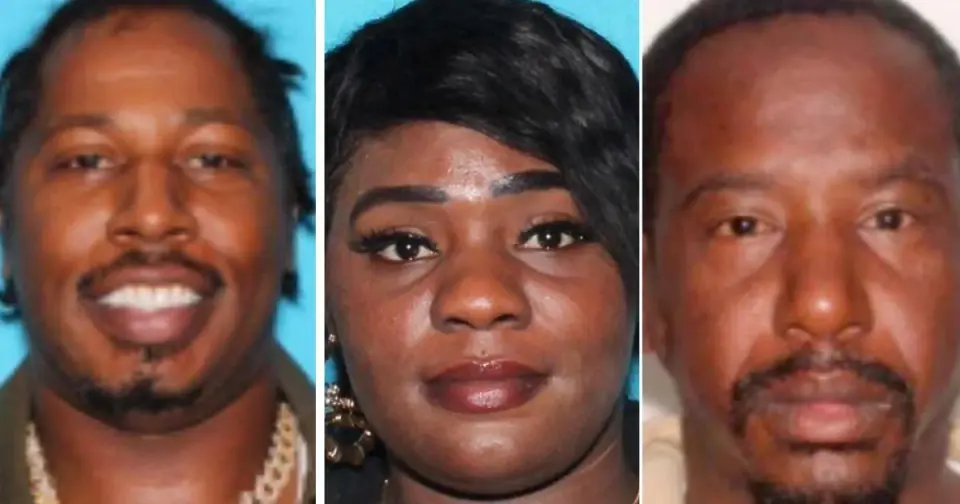
James Brass, 47, was arrested by the FBI in Victorville on Sept. 10, 2026, for allegedly orchestrating a scheme to pay homeless individuals on Skid Row to sign California ballot petitions using stolen voter identities. Brass, known as 'Lord,' and two associates are charged with conspiracy to commit identity fraud. The operation, which ran from February to August 2026, involved fabricating signatures to qualify initiatives for the 2026 ballot, with Brass allegedly earning $41,600 from a petition management company. Prosecutors emphasize that the scheme exploited vulnerable populations to undermine election integrity, with defendants facing up to five years in prison per count.
Key points
- James Brass, 47, of Victorville, was arrested by the FBI on Sept. 10, 2026, after leaving his home at 4:45 a.m., surprising agents surveilling his residence.
- Brass, also known as 'Lord,' is charged with conspiracy to commit identity fraud in furtherance of a state felony, along with Courtney Price, 49, and Jateisha Herron, 33.
- The indictment alleges that from February to August 2026, the trio used a database to identify registered voters and paid homeless people on Skid Row to sign petitions in those voters' names.
- Brass and Herron allegedly signed false declarations attesting to the authenticity of the signatures, then submitted the petitions to coordinators to receive payments.
- Brass allegedly received approximately $41,600 from a petition management company for the fraudulent signatures.
- The scheme targeted California's initiative process, which requires 546,651 signatures for statutes and 874,641 for constitutional amendments in the 2026 cycle.
Background
California's initiative process allows citizens to bypass the state legislature to enact laws or amendments directly through the ballot, requiring large numbers of valid signatures. Proponents typically hire petition management companies to collect these signatures. In June 2026, local media investigated unfounded claims of homeless voter fraud in Los Angeles, highlighting tensions around the intersection of homelessness and electoral integrity. This case follows a broader federal focus on election security, with the FBI and DOJ actively investigating alleged fraud schemes in California.
How outlets are covering it
The Los Angeles Times and Victor Valley News Group provide detailed procedural accounts, focusing on the legal charges and the specific mechanics of the fraud, including the use of a database and the false declarations. Fox News emphasizes the FBI's role and quotes Director Kash Patel, framing the arrest as a critical victory for election security. The New York Post highlights the dramatic nature of the arrest, noting Brass's early morning departure and the surprise element for federal agents. While all sources agree on the core facts, the LA Times and VVNG focus on the legal implications and the vulnerability of the homeless population, whereas Fox News and the NY Post emphasize the enforcement action and the 'bust' aspect. No source disputes the core allegations, but they differ in emphasis: legal process vs. enforcement drama.
Why it matters
This case underscores the vulnerability of California's direct democracy system to fraud, particularly when it involves the exploitation of marginalized populations. The alleged scheme could have influenced the outcome of ballot initiatives, potentially skewing public policy. It also highlights the challenges in verifying the authenticity of petition signatures and the need for robust oversight in the initiative process. The federal response signals a heightened focus on election integrity in the 2026 cycle.
What to watch
James Brass is expected to make his initial appearance in U.S. District Court in Riverside. Courtney Price and Jateisha Herron have not been arrested and are at large. The case will proceed through the federal court system, with potential trials if the charges are not resolved via plea agreements. The FBI and U.S. Attorney's Office may continue investigating other potential participants in the scheme.
- Skid Row residents were paid to sign ballot petitions with stolen identities, feds charge Los Angeles Times
- FBI arrests suspect accused of paying LA homeless to forge signatures using registered voters' identities Fox News
- Victorville Man Arrested In Alleged Scheme To Pay People On Skid Row To Sign Petitions Using Stolen Voter Identities VVNG
- Exclusive | Skid Row 'Lord' surprises feds with 5am getaway as he's accused of massive ballot harvesting scheme New York Post
- Victorville man accused of paying for ballot petition signatures using stolen identities NBC Los Angeles
Want the full story? Read the original reporting
Read on Los Angeles Times