
Europe Fears Trump’s Personal Feud with Zelenskyy Is Blocking Peace
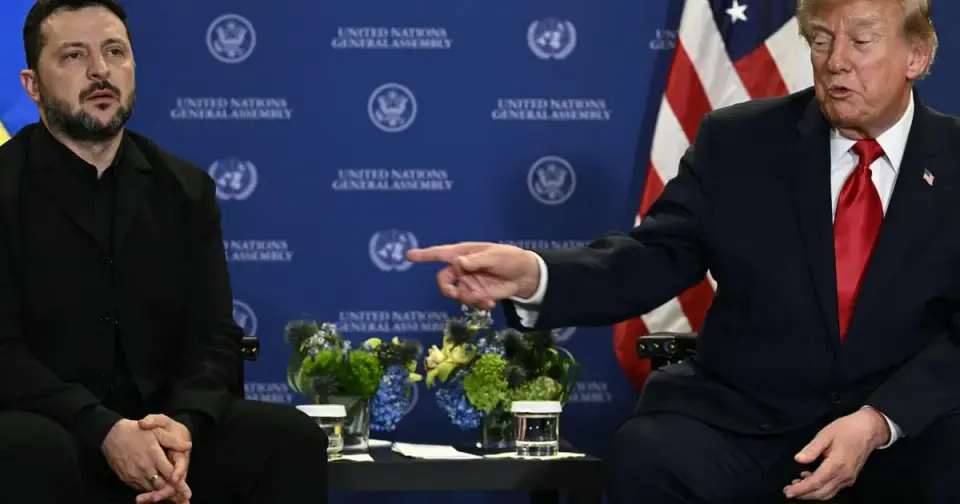
European officials argue that US President Donald Trump’s personal animosity toward Ukrainian President Volodymyr Zelenskyy is driving Washington’s pro-Russian pivot, undermining peace efforts. While Trump waives sanctions and pressures Kyiv to surrender, Europe fears this stems from a preference for autocratic leaders rather than strategic calculation. Amid escalating Russian attacks and US intelligence cuts, diplomatic talks in Oslo offer a fragile path forward, though skepticism remains high.
Key points
- Trump’s recent comments suggest he views the conflict as one-sided, claiming Russia has 'not been doing that much' in Ukraine.
- EU officials attribute Trump’s stance to personal dislike for Zelenskyy and a preference for 'strongman' leaders like Putin.
- US intelligence sharing and Starlink services have been restricted, leaving Ukraine vulnerable to intensified Russian missile strikes.
- Trump is waiving Russian energy sanctions to lower US diesel prices ahead of midterm elections, angering allies and Republicans.
- Diplomatic talks in Oslo involving US envoy Steve Witkoff and European leaders aim to restart peace negotiations.
Background
This escalation follows months of deteriorating US-Ukraine relations, including a contentious 2025 Oval Office meeting. Recent archive coverage highlights Trump’s openness to a trilateral summit with Putin and Xi Jinping, excluding Zelenskyy, which Kyiv views as a betrayal. The current crisis intensifies as Ukraine faces its deadliest civilian casualty rates in years due to reduced US support.
How outlets are covering it
Politico emphasizes the personal dimension, citing anonymous EU officials who believe Trump’s dislike for Zelenskyy overrides rational policy. The New Yorker frames the shift as a political calculation to blame Zelenskyy for high energy prices before midterms, noting Trump’s historical pattern of pivoting to Moscow. CNN highlights the operational fallout, including disputed intelligence sharing and Zelenskyy’s defiant drone strikes on Russian oil terminals. AP News focuses on the broader diplomatic rupture, noting that while Trump claims to seek peace, his actions are seen by allies as favoring Russian interests over Ukrainian security.
Why it matters
The US pivot risks collapsing the transatlantic consensus on Ukraine, potentially leaving Europe to shoulder the burden of defending Kyiv. If Trump’s personal preferences continue to dictate foreign policy, it could embolden Russia and destabilize European security architectures, while also straining domestic US politics as Republicans debate the wisdom of aiding an adversary.
What to watch
Diplomats will monitor the outcome of Witkoff’s talks in Oslo and his subsequent visit to St. Petersburg. The US may propose a three-way summit with Putin and Zelenskyy, though EU officials doubt Putin’s willingness to negotiate. Meanwhile, Europe may reconsider raiding frozen Russian assets to fund Ukraine’s defense if US support continues to wane.
- Maybe it’s personal: Europeans worry Trump just likes Putin more than Zelenskyy POLITICO.eu
- US relationship with Ukraine faces deepening strain CNN
- The Three Dates for Deciding Ukraine’s Future The Atlantic
- Trump’s October Surprise Is a Pivot to Putin The New Yorker
- US ties with Ukraine hit new low as Trump slights Zelenskyy and eases up on Russia AP News
Want the full story? Read the original reporting
Read on POLITICO.eu