
El Niño’s Extreme Wind Shear Sets Atlantic Hurricane Record for Inactivity
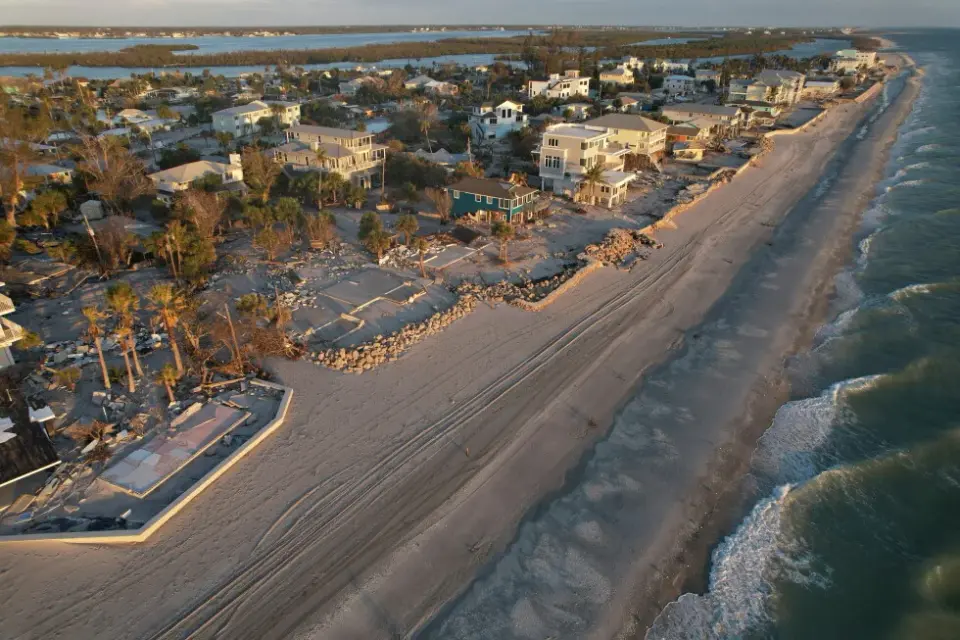
The 2026 Atlantic hurricane season has set a record for inactivity, with only five small tropical storms forming due to extreme El Niño-driven wind shear. While the Atlantic remains quiet, the Pacific has seen nearly double the normal storm activity, and experts warn that warm ocean waters could lead to a busier season next year.
Key points
- The Atlantic has produced only five small tropical storms in 2026, a record-low number attributed to El Niño.
- Wind shear in the main development region between Africa and the Caribbean is approximately 45 mph stronger than what storms can withstand, effectively tearing systems apart before they form.
- The Pacific has experienced nearly double the normal storm activity, with 16 named storms in the eastern Pacific and 20 in the central Pacific.
- MIT professor Kerry Emanuel notes that the atmosphere has warmed faster than the ocean, reducing the heat flow difference that powers hurricanes.
- Forecasters warn that as El Niño winds down, persistent warm ocean waters could increase the likelihood of a more active season in 2027.
Background
This record-breaking quiet season follows a slow start in 2026, where NOAA and CSU initially forecast below-average activity due to strengthening El Niño conditions. Previous coverage in August and September highlighted a 103-day lull in hurricane activity and noted that while the Atlantic was subdued, the Pacific remained active. The current situation confirms these early predictions, with the season now officially recognized as the quietest on record for its duration.
How outlets are covering it
AP News and CNN both attribute the Atlantic’s inactivity to El Niño, but emphasize different mechanisms. AP highlights the extreme wind shear (45 mph above survivable levels) and the role of dry air and African dust in choking storm development. CNN focuses on the contrast between the quiet Atlantic and the 'party' of activity in the Pacific, noting that El Niño typically revs up Pacific cyclone activity. Both sources agree that while the current season is quiet, the underlying warm ocean temperatures may lead to a more active 2027 season as El Niño effects fade.
Why it matters
The record-low Atlantic activity underscores the powerful influence of El Niño on global weather patterns, demonstrating how atmospheric conditions can override warm ocean temperatures. However, the quiet season does not eliminate risk, as even weaker storms can cause significant rainfall and flooding. The shift in storm activity to the Pacific has already impacted regions like Hawaii, and the potential for a busier 2027 season requires continued vigilance from coastal communities and emergency planners.
What to watch
Forecasters expect the Gulf of Mexico to remain a potential area for storm formation later in the season, as wind shear has been lower there. As El Niño begins to weaken, the persistent warmth in Atlantic waters could increase the odds of a more active hurricane season in 2027. Scientists will continue to monitor the temperature difference between the air and ocean to refine predictions for future seasons.
- Where have all the Atlantic hurricanes gone? El Nino's might brings record slow storm season AP News
- El Niño has broken Atlantic hurricanes. Now the season is breaking records CNN
- Where have all the Atlantic hurricanes gone? El Niño might bring record slow storm season pbs.org
- Where Are All the Atlantic Hurricanes? Why This Year Is So Quiet. The New York Times
- The Atlantic hurricane season is making history. Here’s why. The Boston Globe
Want the full story? Read the original reporting
Read on AP News