Tag

Wind Shear

All articles tagged with #wind shear

2026 Atlantic Season Hits Record-Late Start as El Niño Suppresses Storms
weather1 month ago

2026 Atlantic Season Hits Record-Late Start as El Niño Suppresses Storms

The 2026 Atlantic hurricane season has become the quietest on record, with no hurricanes forming by mid-September. A powerful El Niño event is driving record wind shear that prevents storm development, while the Pacific experiences above-average activity. NOAA predicts a below-normal season, though the risk of a historic hurricane-free year remains.

2026 Atlantic Hurricane Season Hits Historic Lull as El Niño and Saharan Dust Suppress Storms
weather1 month ago

2026 Atlantic Hurricane Season Hits Historic Lull as El Niño and Saharan Dust Suppress Storms

The 2026 Atlantic hurricane season has become historically quiet, with no hurricanes forming by mid-September, a record late start. This inactivity is primarily driven by a strengthening El Niño event in the Pacific, which creates hostile wind shear over the Atlantic, combined with high levels of Saharan dust. While the Atlantic remains calm, the Pacific has seen above-average activity, including four hurricanes. Forecasters note that while the current lull is unprecedented, the season is not over, and the long-term impacts of El Niño, such as global heating and drought, may outweigh the benefits of a quiet Atlantic.

El Niño’s Extreme Wind Shear Sets Atlantic Hurricane Record for Inactivity
climate-and-weather1 month ago

El Niño’s Extreme Wind Shear Sets Atlantic Hurricane Record for Inactivity

The 2026 Atlantic hurricane season has set a record for inactivity, with only five small tropical storms forming due to extreme El Niño-driven wind shear. While the Atlantic remains quiet, the Pacific has seen nearly double the normal storm activity, and experts warn that warm ocean waters could lead to a busier season next year.

El Niño and Saharan Dust Create Historic Atlantic Hurricane Drought
weather1 month ago

El Niño and Saharan Dust Create Historic Atlantic Hurricane Drought

The 2026 Atlantic hurricane season has set a modern record for inactivity, with zero hurricanes forming by mid-September. This unprecedented quiet is driven by a powerful El Niño event and Saharan dust, which have created record-breaking wind shear and suppressed storm development. While the season is historically dormant, experts warn that late-forming storms can still cause significant damage, as seen in previous years with delayed hurricane activity.

El Niño Settles In: Quiet Atlantic Season, Wetter South Florida Ahead
weather3 months ago

El Niño Settles In: Quiet Atlantic Season, Wetter South Florida Ahead

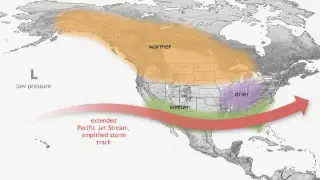
NOAA and climate models indicate El Niño will strengthen and likely persist into early 2027, dampening Atlantic tropical development via increased wind shear and forecasting a below-average 2026 hurricane season (CSU projects about 9 named storms, 4 hurricanes). For South Florida, the pattern points to a cooler, wetter, and potentially stormier winter driven by a persistent subtropical jetstream, signaling notable contrasts to the prior winter.

El Niño May Dampened 2026 Atlantic Hurricanes, NOAA Forecasts
weather4 months ago

El Niño May Dampened 2026 Atlantic Hurricanes, NOAA Forecasts

NOAA projects a below-normal 2026 Atlantic hurricane season due to a likely strong El Niño, forecasting 8–14 named storms, 3–6 hurricanes, and 1–3 major hurricanes, with wind shear expected to suppress development. History shows strong El Niño years often bring fewer storms, but a single impactful storm is still possible, so preparedness remains essential.

El Niño reorders hurricane risk: calmer Atlantic, stormier Pacific
science5 months ago

El Niño reorders hurricane risk: calmer Atlantic, stormier Pacific

Forecasters expect a strong El Niño this summer (about 98% chance, with an 80% chance of moderate/strong), which tends to suppress Atlantic hurricane activity through increased wind shear and dry air, leading to fewer Atlantic storms and lower US landfall risk, while boosting activity in the eastern/central Pacific. Historical data show Atlantic totals fall during El Niño years, whereas the Pacific often sees more storms; NOAA also projects an above-normal eastern Pacific season and a generally lower Atlantic season, with regional risks (e.g., Hawaii) varying by location and storm track.

El Niño's Rise Could Fuel Pacific Hurricanes While Suppressing Atlantic Storms in 2026
science5 months ago

El Niño's Rise Could Fuel Pacific Hurricanes While Suppressing Atlantic Storms in 2026

A developing El Niño is expected to boost the Eastern Pacific hurricane season in 2026 due to warmer waters and reduced vertical wind shear, while the Atlantic may see fewer storms because of cooler waters and more wind shear, though activity won’t vanish. The East Pacific season begins May 15, with names Amanda, Boris, Cristina and Douglas, and forecasters will monitor outlooks; past events like 2023's Hilary and 2025's Kiko illustrate how El Niño and La Niña patterns influence storms.

El Niño-Driven Outlook Narrows 2026 Hurricane Season Predictions
weather6 months ago

El Niño-Driven Outlook Narrows 2026 Hurricane Season Predictions

Colorado State University’s early forecast for the 2026 Atlantic hurricane season projects a somewhat below-average year (13 named storms, 6 hurricanes, 2 major hurricanes) due to a developing strong El Niño that increases wind shear and dampens activity; sea-surface temperatures are mixed, Gulf of Mexico activity may be less suppressed, and overall U.S. major hurricane landfall probability is about 32% (down from 43%), with Florida remaining the most at-risk state. Forecasts will be updated in June–August.

El Niño’s fingerprint signals a quieter Atlantic hurricane season
weather6 months ago

El Niño’s fingerprint signals a quieter Atlantic hurricane season

Colorado State University’s initial hurricane forecast calls for a slightly below-average Atlantic season—about 13 named storms, 6 hurricanes and 2 major—driven primarily by the return of El Niño, which is expected to bring upper‑air wind shear that can weaken tropical systems. The La Niña pattern has ended and El Niño should be in place for the season’s peak (mid‑Aug to mid‑Oct). Yet mixed ocean temperatures across the Atlantic and the possibility of hotter‑than‑expected oceans mean the forecast carries uncertainty; stronger heat could erode El Niño’s quieting effect and spur rapid intensification, so conditions remain variable as the season approaches.

"FAA Investigates Southwest Airlines for Near Collision with LaGuardia Control Tower"
aviation-safety2 years ago

"FAA Investigates Southwest Airlines for Near Collision with LaGuardia Control Tower"

A Southwest Airlines flight from Nashville to LaGuardia narrowly avoided colliding with the airport's control tower, coming within 67 feet, after encountering severe weather and executing multiple go-arounds. The FAA is investigating the incident to determine the cause of the aircraft's erratic flight pattern, with a focus on potential wind shear effects. Southwest Airlines is conducting a thorough review to enhance safety measures and prevent similar occurrences in the future.

United Airlines Flight Diverted Due to Wind Shear, Injuring Dozens
aviation2 years ago

United Airlines Flight Diverted Due to Wind Shear, Injuring Dozens

A United Airlines Boeing 787 flight from Tel Aviv to Newark was forced to divert to New York Stewart International Airport due to extreme turbulence caused by wind shear, injuring 22 passengers and prompting the pilot to declare an emergency due to fuel concerns. Seven passengers were taken to the hospital, and 15 were treated on site for injuries. The flight eventually refueled and continued to Newark, with speculation that attempting a second landing at Newark may have depleted the plane's fuel tanks.

"Warning: Severe Storms Could Bring Isolated Tornado Risk"
weather2 years ago

"Warning: Severe Storms Could Bring Isolated Tornado Risk"

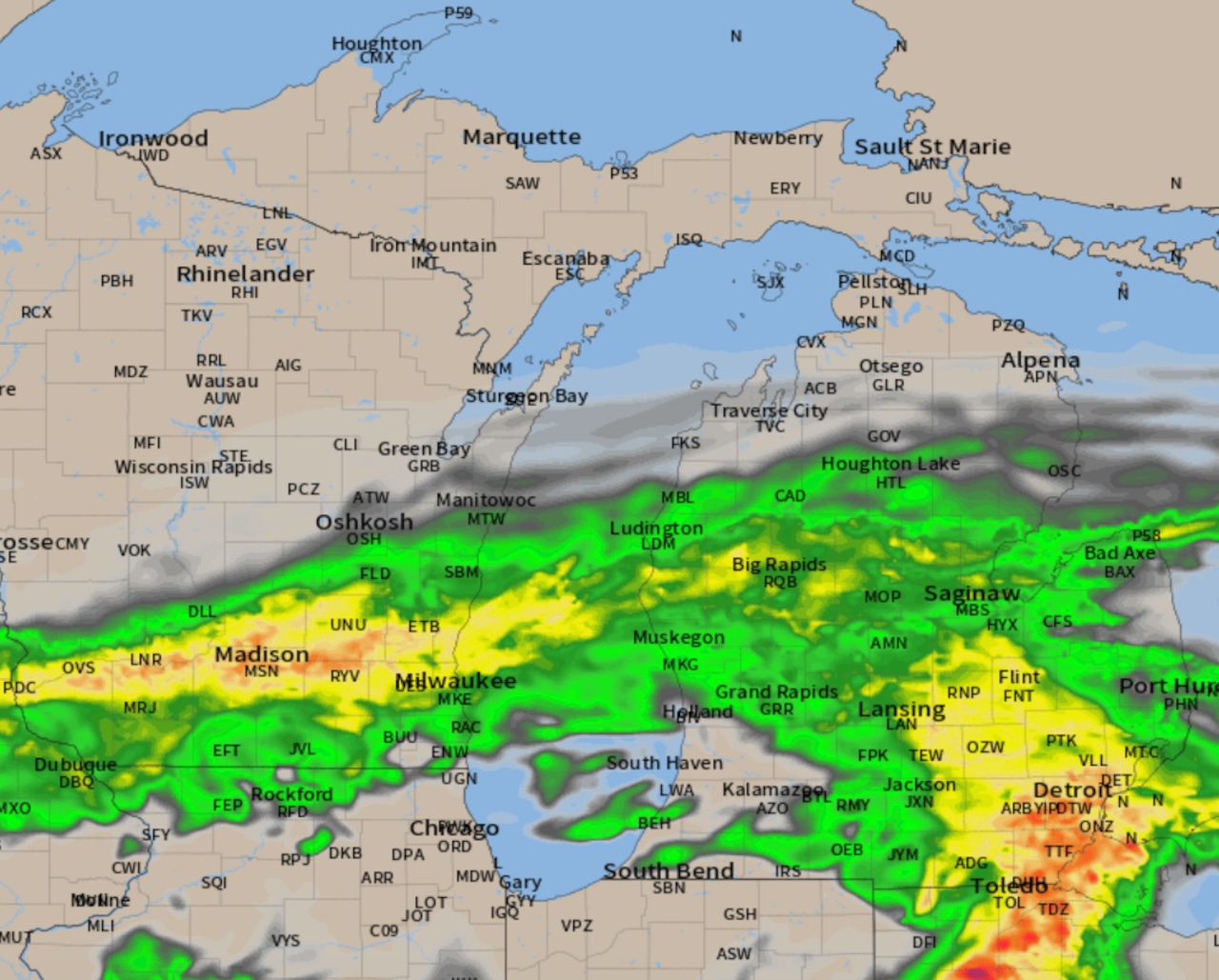
The Storm Prediction Center has outlined a marginal risk of severe thunderstorms in southern Michigan on Thursday, with a 2% chance of an isolated tornado along I-94 and southward. Additionally, there is a 5% chance of isolated severe wind gusts and hail extending northward to Grand Rapids, Lansing, and Oakland County. While the author is not extremely concerned about a widespread severe weather outbreak, they caution to keep a close eye on weather information due to the unpredictable nature of warm fronts.