
Lindsay Clancy Trial: Jurors Weigh Insanity Defense Against Evidence of Planning
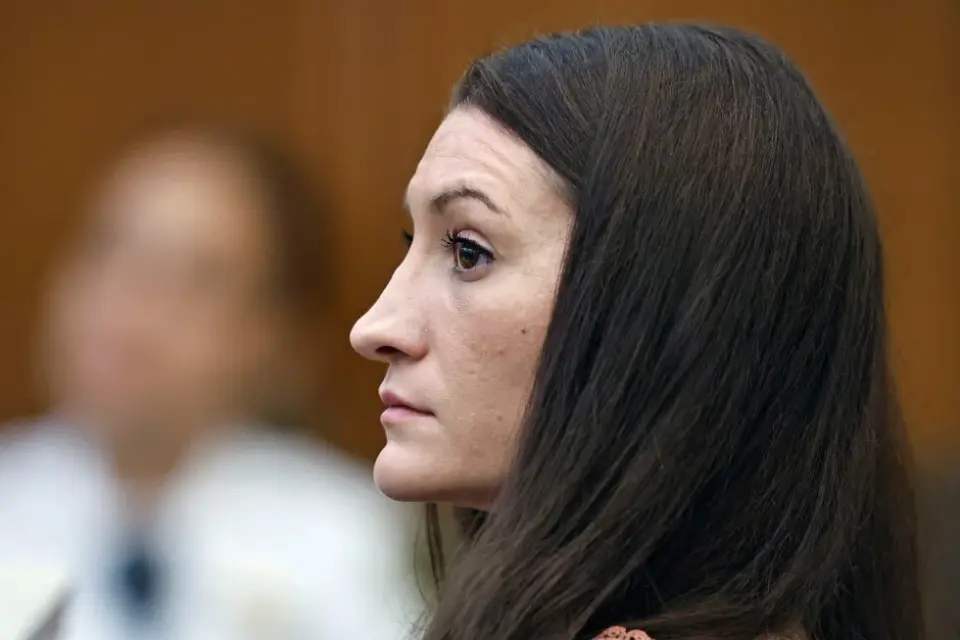
The jury in the Lindsay Clancy trial is deliberating after nearly six weeks of testimony. Prosecutors argue Clancy planned the 2023 killings of her three children to facilitate her suicide, while the defense claims she was incapacitated by postpartum psychosis and poor medical care. Key evidence includes conflicting expert opinions on her mental state and a detailed timeline of her failed attempts to receive inpatient treatment.
Key points
- Clancy is accused of murdering her children, Cora, Dawson, and Callan, on January 24, 2023, before attempting suicide.
- The defense argues Clancy suffered from postpartum psychosis and was misdiagnosed and overmedicated by providers.
- Prosecutors contend Clancy had the capacity to distinguish right from wrong and intentionally killed her children to end her own life.
- Clancy sought help from multiple psychiatrists, called a suicide hotline, and was denied inpatient treatment in December 2022.
- The trial featured over 70 witnesses and 300 exhibits, with closing arguments delivered on Thursday before deliberations began.
Background
The trial has drawn national attention to gaps in perinatal mental health care. Previous coverage noted the jury’s extensive vetting process, including tours of the Duxbury home and detailed questionnaires on mental illness. The case has highlighted systemic issues in coordinating care for patients with severe mental health conditions across multiple providers.
How outlets are covering it
AP News emphasizes the conflicting expert testimonies, noting that forensic psychologist Kirk Heilbrun disputed the existence of hallucinations, while clinical psychologist Paul Zeizel supported the insanity defense. NBC News focuses on the systemic failures in Clancy’s medical care, highlighting that she was prescribed 13 medications in four months and denied inpatient treatment despite reporting suicidal thoughts. Both outlets agree that the case raises significant questions about the adequacy of postpartum mental health support, but AP highlights the legal debate over responsibility, while NBC emphasizes the clinical misdiagnosis and lack of coordination among providers.
Why it matters
The verdict will set a precedent for how courts evaluate mental health defenses in cases involving postpartum psychosis. It also underscores the need for better coordination and communication among healthcare providers treating patients with severe mental illness, particularly new mothers. The case has sparked broader discussions about the accessibility and effectiveness of mental health resources for vulnerable populations.
What to watch
The jury is expected to deliberate for an extended period, potentially lasting a week or more, given the complexity of the case and the volume of evidence. The verdict will determine whether Clancy is found guilty of murder or not guilty by reason of insanity. Legal experts anticipate that the outcome will influence future cases involving mental health defenses and may prompt reforms in perinatal mental health care.
- As jurors deliberate in the Lindsay Clancy trial, here are key moments they may be considering AP News
- There are two defendants in the Lindsay Clancy trial The Boston Globe
- Lindsay Clancy verdict watch: Jury ends second day without verdict, will return Monday CT Insider
- How Lindsay Clancy sought help before she killed her three children NBC News
- Why Apple Maps search may be key to Linsday Clancy’s fate NewsNation
Want the full story? Read the original reporting
Read on AP News