
AP Report: DEA Allowed 1.4 Million Fentanyl Pills to Circulate During Major Investigation
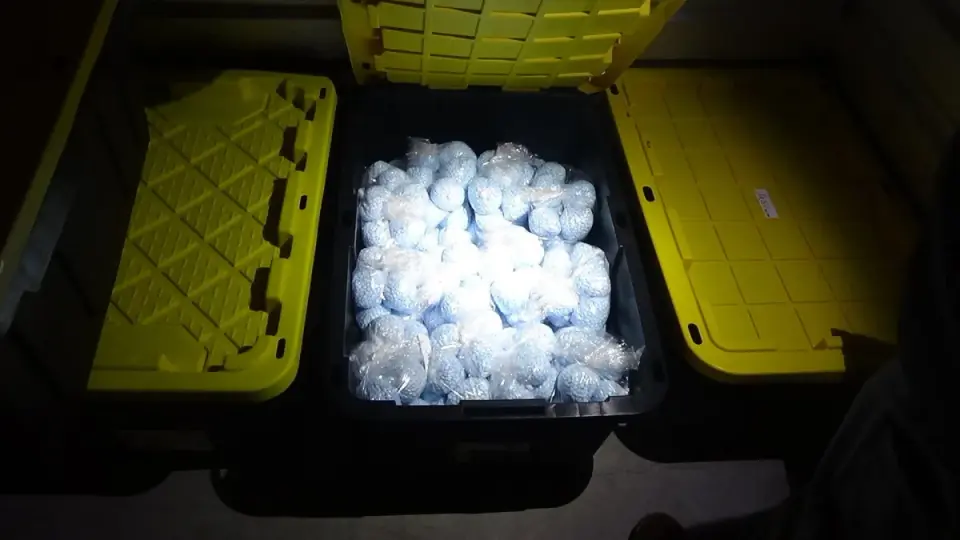
The Associated Press reports that the U.S. Drug Enforcement Administration (DEA) allowed at least 1.4 million fentanyl pills to be trafficked between August 2024 and April 2025 while investigating a major distribution ring. This finding contradicts previous agency denials and has triggered federal and state investigations. The City of Albuquerque has formally demanded over $153 million in damages from the federal government, citing increased overdose deaths and emergency response costs. The DEA maintains its actions were lawful and necessary to dismantle the network, which was allegedly led by Heriberto Salazar Amaya.
Key points
- AP analysis of court documents and surveillance footage indicates the DEA permitted 1.4 million fentanyl pills to reach the streets during a major investigation.
- The City of Albuquerque filed a Federal Tort Claims Act demand for $153,483,915.24, attributing local health and emergency costs to the agency's decisions.
- Heriberto Salazar Amaya, the alleged leader of the trafficking ring, was arrested in April 2025 and has pleaded not guilty to drug trafficking charges.
- New Mexico’s overdose death rate spiked 44% last year, with the state’s rate more than double the national average.
- The DEA declined to answer questions due to an ongoing review by the Justice Department’s inspector general.
Background
This story follows earlier coverage of the DEA’s ongoing inquiries into fentanyl distribution, including the unresolved federal probe into the source of drugs linked to the death of actress Hayden Panettiere in August 2026. The current AP investigation builds on June 2026 findings that the DEA allowed hundreds of thousands of pills to go unseized in New Mexico, which initially prompted a congressional oversight inquiry and a criminal investigation by the state attorney general.
How outlets are covering it
The Associated Press and New Mexico officials, including Governor Michelle Lujan Grisham and Albuquerque Mayor Tim Keller, argue that the DEA’s decision to allow fentanyl to 'walk' was a dangerous gamble that exacerbated the overdose crisis. They emphasize the hypocrisy of agents running 'One Pill Can Kill' campaigns while permitting massive quantities of the drug to circulate. Conversely, the DEA and the U.S. Attorney’s Office maintain that their actions were lawful, coordinated with prosecutors, and necessary to identify and dismantle the entire trafficking network. The City of Albuquerque frames the issue as a financial liability, demanding compensation for the strain on local resources, while the DEA cites the need to avoid 'ripple effects' that could ruin sensitive investigations.
Why it matters
This case highlights the tension between federal law enforcement strategies and local public health crises. The potential liability of over $153 million for Albuquerque and the ongoing state of emergency in New Mexico underscore the severe consequences of allowing fentanyl to reach communities. The outcome of the Justice Department’s review and the upcoming trial of Salazar Amaya will likely set precedents for how the DEA balances surveillance with immediate public safety in the opioid epidemic.
What to watch
The Justice Department’s inspector general is conducting a review of the DEA’s actions. Heriberto Salazar Amaya is scheduled to be tried next year on drug trafficking charges. The City of Albuquerque is awaiting an administrative response to its damages demand. The DEA has declined to comment further pending the outcome of the review.
- AP investigation: The DEA allowed 1.4 million fentanyl pills to go unseized in major probe AP News
- City Demands DEA to Pay More Than $150 Million of Damages in Fentanyl Pill Scandal ABQ RAW
- DEA Unseized Fentanyl crossville-chronicle.com
- US DEA Unseized Fentanyl timesdaily.com
- DEA Let 1.4M Fentanyl Pills Walk as It Pursued Huge Bust Newser
Want the full story? Read the original reporting
Read on AP News