
Coalition of States and Cities Sues to Block HUD Rule Ending Mixed-Status Housing Aid
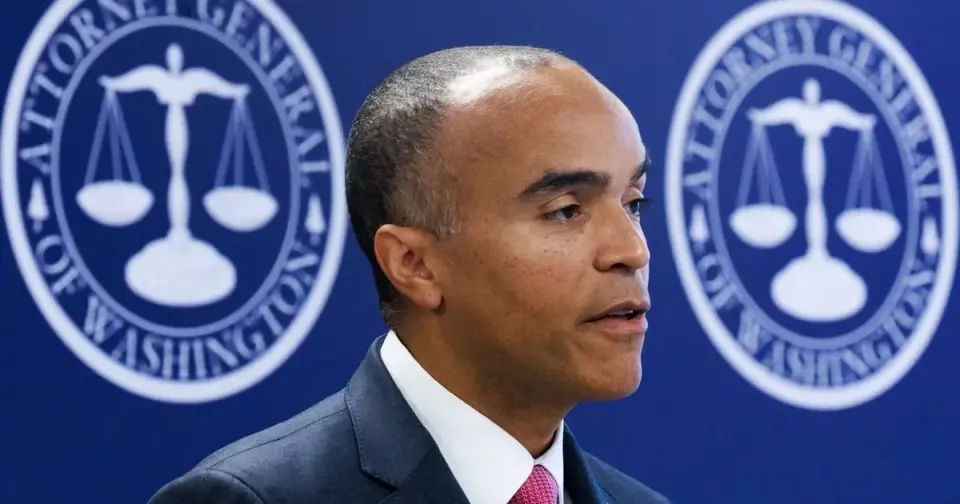
A coalition of states and major cities has filed federal lawsuits to block a new U.S. Department of Housing and Urban Development (HUD) rule that would end housing subsidies for mixed-status households. The rule, finalized in November and set to take effect on December 14, 2026, requires all residents of federally assisted housing to prove U.S. citizenship or eligible immigration status. Opponents argue the policy will force families to separate or face eviction, while HUD officials contend it prevents the misuse of taxpayer funds. Washington State, King County, Seattle, New York City, Boston, Chicago, Los Angeles, and San Francisco are among the plaintiffs challenging the legality of the change.
Key points
- The new HUD rule eliminates the decades-old proration system that allowed mixed-status families to receive partial housing assistance based on eligible members.
- Under the new policy, households must have every member qualify as a U.S. citizen or eligible immigrant to remain in federally subsidized housing.
- The rule is scheduled to take effect on December 14, 2026, with a January deadline for agencies to notify affected tenants and a March deadline for families to provide documentation.
- Washington State Attorney General Nick Brown and local officials joined the suit, citing potential displacement of 600 households and new documentation burdens for over 82,000 residents.
- HUD Secretary Scott Turner defended the rule as a measure to stop the exploitation of taxpayer dollars and ensure only eligible individuals reside in federally funded housing.
Background
This litigation follows the finalization of the HUD rule in November 2026, which replaced a 1995 provision allowing mixed-status households to live together in subsidized housing. Previous coverage indicated that California was projected to be the hardest-hit state, with over 7,000 families facing potential displacement. The current lawsuits represent a broadening of the legal challenge to include major cities and multiple states, reflecting a nationwide effort to block the implementation of the December 14 effective date.
How outlets are covering it
The Seattle Times and The Boston Herald emphasize the potential for mass displacement and the strain on local resources, noting that Washington State ranks fifth highest in the number of households at risk. They highlight the argument that the rule forces families to choose between staying housed and keeping their families together. In contrast, HUD Secretary Scott Turner, as reported by The Seattle Times, frames the rule as a necessary correction to prevent the exploitation of taxpayer dollars, asserting that only American citizens and certain eligible noncitizens should reside in HUD-funded housing. The New York City government and Politico focus on the legal argument that the rule violates long-settled federal provisions requiring prorated assistance for mixed-status families, with Mayor Zohran Mamdani and other city officials calling the policy cruel and unlawful. While all sources agree on the rule's mechanics, they diverge sharply on its impact, with opponents citing potential homelessness and family separation, and supporters citing the need to free up resources for eligible citizens.
Why it matters
The outcome of these lawsuits will determine whether tens of thousands of families across the U.S. retain access to federal housing assistance. If the rule is upheld, it could lead to a significant increase in homelessness and strain on local emergency shelter systems, as seen in the projected costs for Seattle. Conversely, if blocked, it preserves the existing proration system that has allowed mixed-status families to remain together in subsidized housing for decades. The case also sets a precedent for the extent of federal authority over immigration-related eligibility in social programs.
What to watch
The lawsuits seek an immediate injunction to block the rule from taking effect on December 14, 2026. Local housing authorities, such as the King County Housing Authority and Seattle Housing Authority, are preparing to contact affected families and navigate the new documentation requirements if the rule is not blocked. The legal battle will likely proceed through federal courts, with potential implications for the January and March deadlines for tenant notifications and documentation submissions.
- WA sues feds over new rule targeting immigrant households The Seattle Times
- Mamdani joins cities in suing to block Trump’s housing rule for mixed-status families Politico
- New rule could force immigrants out of federally subsidized housing The Boston Globe
- Boston Mayor Wu sues Trump administration for cutting off rent support for mixed-immigration status households Boston Herald
- New York City Sues Federal Government to Protect “Mixed-Status” Families from Losing Their Homes NYC.gov
Want the full story? Read the original reporting
Read on The Seattle Times