
Florida Executes James Robertson Amid National Scrutiny on Lethal Injection Protocols
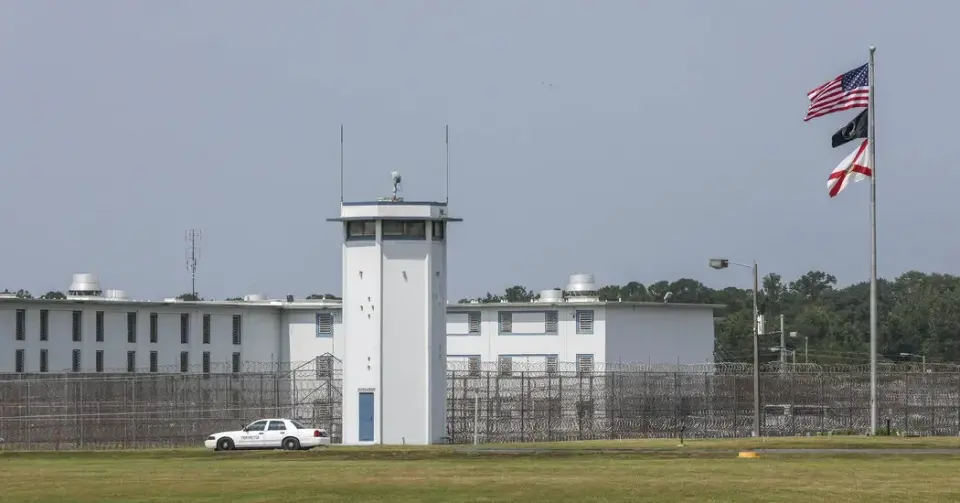
Florida executed James Robertson on Tuesday, marking the state's 17th execution this year and the first since a botched lethal injection in Tennessee. Robertson, 63, was put to death for a 2008 murder he admitted to committing solely to secure a death row sentence. The execution proceeded without complications, contrasting with recent failures in other states, while Governor Ron DeSantis continues a rapid pace of capital punishments. Meanwhile, the Pentagon has announced plans to livestream the execution of a former Army psychiatrist, drawing widespread criticism.
Key points
- James Robertson, 63, was executed by lethal injection at Florida State Prison near Starke on Tuesday for the 2008 murder of Frank Hart.
- Robertson confessed to strangling Hart with socks in a prison cell, stating he did so deliberately to be sentenced to death row and escape long-term incarceration.
- The Florida Department of Corrections reported no complications during the execution, which used a three-drug protocol including potassium acetate.
- This is Florida's 17th execution in 2026, continuing a high volume under Governor Ron DeSantis, who has signed warrants for two additional inmates scheduled for October and November.
- The execution occurs nearly two weeks after Christa Pike survived a botched lethal injection in Tennessee, leading to a halt in executions there and increased national scrutiny.
- Texas recently executed an inmate using the same drug, pentobarbital, becoming the first state to proceed with a death penalty case after the Tennessee incident.
Background
Recent archive coverage highlights the escalating tension surrounding lethal injection protocols in the United States. Following the botched execution of Christa Pike in Tennessee on September 30, where she survived two doses of pentobarbital due to a 30-minute emergency response delay, legal experts have debated double jeopardy protections. Texas proceeded with the execution of Jamaal Howard on October 7, the first U.S. death since the Tennessee incident, despite legal challenges citing intellectual disability and drug safety concerns. This background underscores the current national debate over the reliability and ethics of capital punishment methods, particularly as Florida continues its execution schedule without interruption.
Why it matters
The execution of James Robertson highlights the continued momentum of capital punishment in Florida despite national controversies over lethal injection failures. It raises critical questions about the reliability of execution protocols and the ethical implications of public executions, as seen in the Pentagon's planned livestream. The case also illustrates the complex motivations of some death row inmates and the ongoing political will of state leaders to maintain high execution rates, even as opponents leverage recent failures to push for abolition.
What to watch
Florida is scheduled to execute William Reaves on October 20 and Jesse Guardado on November 5. Legal experts will continue to monitor the potential double jeopardy implications for Christa Pike, while the Pentagon faces intense backlash over its plan to livestream the execution of Maj. Nidal Malik Hasan. The outcome of these cases may influence future legal challenges to lethal injection methods across the country.
Want the full story? Read the original reporting
Read on The New York Times