
DNA Breakthrough Closes 1974 Utah Cold Case Linking Ted Bundy to Melissa Smith
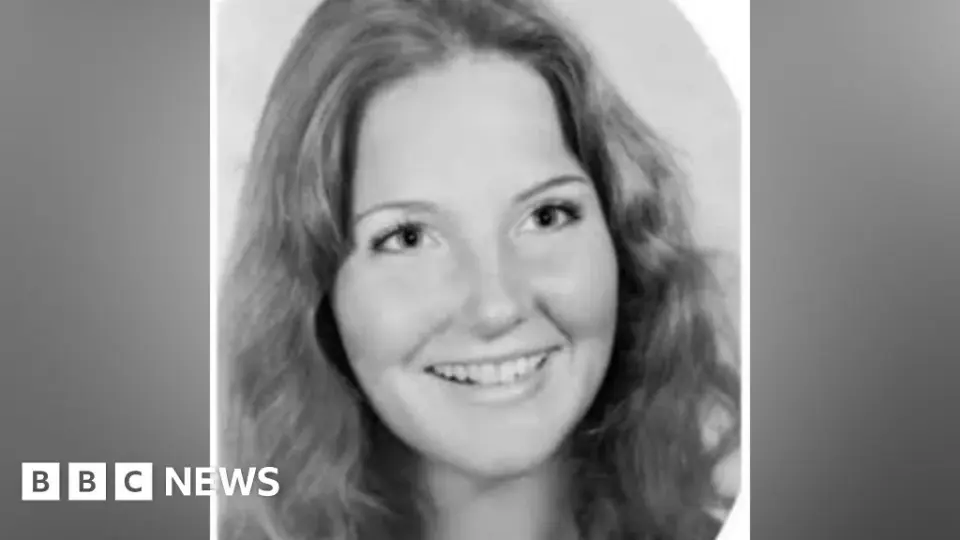
Utah authorities officially closed the 1974 murder case of 17-year-old Melissa Ann Smith on October 27, 2026, using advanced DNA technology to link the victim to serial killer Ted Bundy. The breakthrough relied on matching genetic profiles from Smith’s autopsy to evidence from the 2026 resolution of another Bundy victim, Laura Ann Aime. Although Bundy was executed in 1989, this confirmation adds to his known victim count of at least 30. Officials emphasized that while the Smith case is closed, investigations into other potential Bundy victims, such as Nancy Wilcox, continue.
Key points
- Summit County Sheriff Kacey Bates announced the closure of the Melissa Ann Smith case on the 52nd anniversary of her body’s discovery.
- The identification relied on a Y-STR DNA profile match between evidence from Smith’s autopsy and a confirmed profile from Laura Ann Aime, whose case was resolved in April 2026.
- Summit County Attorney Margaret Olson stated that the case was closed based on DNA evidence combined with Bundy’s established pattern, motive, means, and opportunity.
- Salt Lake County Sheriff Rosie Rivera highlighted the importance of preserving physical evidence over decades, noting that forensic advancements allow for repeated re-examination of cold cases.
- Investigators confirmed that the closure of the Smith case does not end the investigation into Bundy’s other alleged victims, specifically 16-year-old Nancy Wilcox, for whom DNA confirmation is still pending.
Background
This development follows the April 2026 confirmation that Ted Bundy murdered Laura Ann Aime in 1974, which provided the critical DNA baseline needed to solve the Smith case. Bundy, who was executed by electric chair in Florida in 1989 for the 1978 murders at the Chi Omega sorority house, had confessed to multiple crimes in his final days, though not all were immediately verified. His confirmed victim count stands at at least 30 across the US, with many additional cases remaining unsolved or unconfirmed due to the passage of time and lack of prior forensic technology.
How outlets are covering it
While all outlets agree on the DNA link, they emphasize different aspects of the investigation. The BBC and CNN focus on the broader impact on Bundy’s victim count and the hope this brings to other cold case families. The Guardian highlights the specific forensic mechanism, noting the Y-STR DNA match between the two victims. KSL News provides the most detailed local context, noting the joint effort of multiple sheriff’s offices and the recognition of late detective Alan Siddoway. KSL also notes that Smith’s family declined to attend the announcement, whereas other outlets simply state they were notified. There is no disagreement on the core facts, but the emphasis varies between the forensic technicality (Guardian) and the emotional closure for families (BBC/CNN).
Why it matters
This case demonstrates the enduring value of evidence preservation and the power of modern forensic technology to resolve decades-old crimes. It provides closure for the Smith family and reinforces the belief that unsolved cold cases can still be solved through persistent investigative work and scientific advancement. It also highlights the ongoing nature of Bundy-related investigations, as authorities continue to seek DNA confirmation for other alleged victims like Nancy Wilcox.
What to watch
Investigators will continue to work on the Nancy Wilcox case, for which Bundy confessed but which lacks definitive DNA confirmation. Authorities will likely review other cold cases from the 1970s in Utah and other states where Bundy was active, using the same forensic methods. The closure of the Smith case may also prompt a re-examination of other unsolved homicides in Summit County and surrounding areas during that period.
- Utah police link serial killer Ted Bundy to teenage girl's murder after 52 years BBC
- Serial killer Ted Bundy is linked to another Utah teenager’s 1974 murder through DNA testing CNN
- Serial killer Ted Bundy linked through DNA to 1974 murder of Utah girl The Guardian
- Police, courts to close 1975 cold case murder investigation KSL News
- Utah authorities are connecting serial killer Ted Bundy to another 1970s homicide NBC News
Want the full story? Read the original reporting
Read on BBC