
Trump’s $1M Fraud Bounty Amid DOJ Election Legal Battles
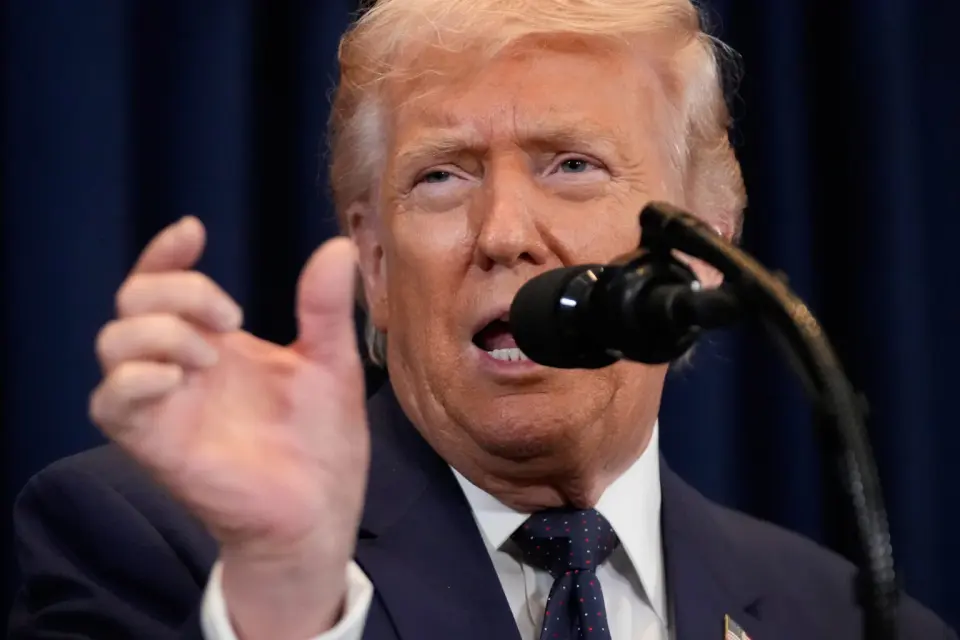
President Trump announced a $1 million reward for reports of voter fraud leading to convictions, coinciding with aggressive DOJ legal challenges to state election processes. Critics and data indicate such fraud is rare, while the administration continues to pursue restrictive voting measures.
Key points
- Trump offered $1 million for voter fraud reports resulting in arrests and convictions, without specifying funding sources.
- The DOJ has filed lawsuits to block ballot counting in California and Washington, citing alleged noncitizen registration.
- A federal appeals court rejected the DOJ’s request to block 20,000 California ballots, while a judge halted DHS field operations in nine states.
- Studies show postal and noncitizen voting fraud are extremely rare, with only 24 noncitizen convictions recorded between 2005 and 2025.
- Trump previously proposed a $5,000 payout for Americans if Republicans win the midterms, highlighting a pattern of financial incentives.
Background
This announcement follows a series of legal and public pressure campaigns by the Trump administration against state election processes. In late October 2026, the DOJ intensified efforts to block vote certification in Alaska and California, while DHS field operations targeting alleged noncitizen voters were halted by a federal judge in nine states. These actions occurred amid broader efforts to restrict mail voting and tighten voter ID requirements, which faced legal setbacks and criticism for lacking constitutional authority.
How outlets are covering it
Democracy Docket emphasizes the bounty as part of a sustained attack on voting rights, noting that hired election deniers have failed to find evidence of widespread fraud. BBC Verify highlights the rarity of actual fraud, citing studies showing only 24 noncitizen convictions over two decades and minimal postal vote fraud. The Guardian frames the bounty as part of an assault on midterm legitimacy, linking it to DOJ lawsuits and a controversial ad by Ohio gubernatorial candidate Vivek Ramaswamy. ABC News notes the lack of clarity on funding sources and the unfounded nature of Trump’s claims. Outlets differ in focus: BBC and The Guardian stress the evidence against widespread fraud, while Democracy Docket and ABC News highlight the political and legal context of the bounty.
Why it matters
The bounty and related legal actions could influence voter turnout and public perception of election integrity. If successful, they may suppress votes or create confusion, while legal challenges to state election processes could set precedents for future federal interference. The rarity of actual fraud suggests these measures may be politically motivated, potentially undermining trust in the electoral system.
What to watch
The DOJ may appeal the appeals court’s rejection of the California ballot block and continue pursuing legal challenges in other states. Trump may clarify funding sources for the bounty or face criticism for its lack of transparency. The midterms on November 3, 2026, will test the impact of these measures on voter participation and results.
- Trump offers $1 million bounty for ‘voter fraud’ ahead of Election Day Democracy Docket
- Trump says US voter fraud is 'rampant' - evidence suggests it is extremely rare BBC
- First Thing: Trump targets midterm legitimacy with lawsuits and a cash bounty The Guardian
- Trump offers $1M reward for voter fraud tips that result in conviction ABC News - Breaking News, Latest News and Videos
- Trump offers $1 million for tipoffs that lead to voter fraud convictions Reuters
Want the full story? Read the original reporting
Read on Democracy Docket