
Florida Keys 'Square Grouper' Cocaine Washups Spark Federal Crackdown
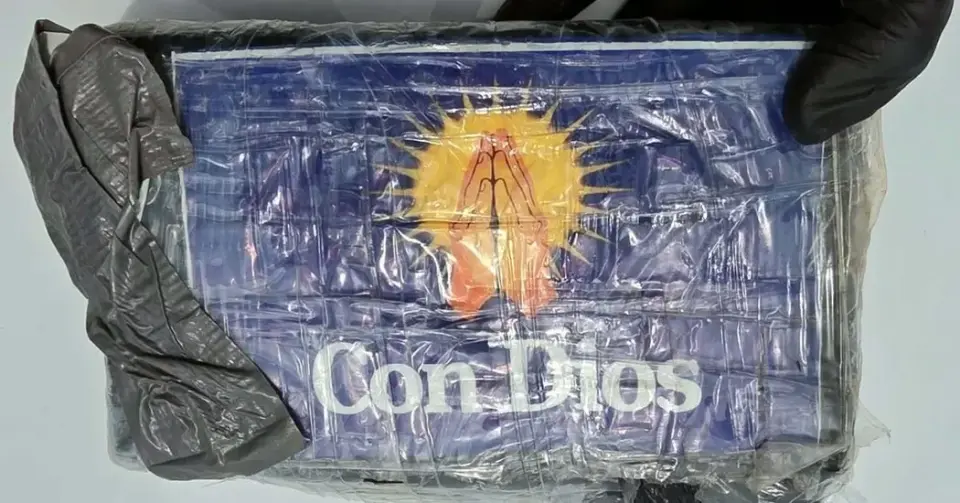
Plastic-wrapped cocaine bricks, locally nicknamed 'square grouper,' are frequently washing up in the Florida Keys. While some locals report finds to authorities, others exploit the situation for profit. Federal prosecutors recently sentenced a ring of individuals for distributing these recovered drugs, highlighting a persistent smuggling issue in the region.
Key points
- Cocaine bricks frequently surface in the waters of the Florida Keys, often lost during smuggling runs.
- Locals refer to these floating packages as 'square grouper.'
- A boat captain recently found a brick near Big Pine Key and left it on a fire-rescue ambulance after failing to reach deputies.
- John Strama, a boat builder, was sentenced to prison for leading a ring that distributed cocaine found at sea.
- Monroe County Sheriff Rick Ramsay states that cocaine packages surface nearly every week.
- Bricks are often marked with numbers or images, such as '333' or praying hands, to identify buyers or delivery locations.
Background
The Florida Keys have a long history of drug trafficking, with cocaine and marijuana frequently washing ashore. Recent global resurgences in cocaine production have likely contributed to the increased volume of lost packages in the region. This issue persists despite federal efforts to disrupt drug boats in the Caribbean, which have not significantly impacted the Keys' local waterways.
How outlets are covering it
The New York Times emphasizes the criminal enterprise aspect, detailing the sentencing of John Strama and his associates for distributing recovered cocaine, and quotes U.S. Attorney Jason A. Reding Quiñones calling the practice drug trafficking. The Miami Herald focuses on the logistical details of recent finds, such as a half-kilogram brick labeled '333' found near Summerland Key, and notes the standard procedure of turning finds over to U.S. Border Patrol. The Yahoo source highlights specific markings on bricks, such as 'Tom and Jerry' stamps, found in mangroves, illustrating the variety of identifiers used by smugglers. While all sources agree on the frequency of finds, the NYT focuses on the legal consequences for those who keep the drugs, whereas the Miami Herald and Yahoo focus on the physical characteristics and reporting of the washups.
Why it matters
The recurring discovery of cocaine in the Florida Keys highlights the ongoing challenges of maritime drug trafficking and the risks faced by local residents who encounter these hazardous materials. It also underscores the legal consequences for those who attempt to profit from these finds, as federal authorities actively prosecute individuals involved in the distribution of recovered drugs.
What to watch
Federal authorities are expected to continue prosecuting individuals involved in the distribution of cocaine found in the Florida Keys. Local law enforcement will likely maintain vigilance for further washups, and the Trump administration's Caribbean drug boat strikes may indirectly affect the volume of drugs reaching the Keys, though this remains uncertain.
- A Highly Coveted Catch in the Florida Keys Isn’t a Fish. It’s Cocaine. The New York Times
- Kayaker finds half a kilo of cocaine in Florida Keys, sheriff’s office says Miami Herald
- Tom and Jerry-stamped kilo of cocaine washes ashore in Florida Keys mangroves: MCSO Yahoo
- Kilogram Of Suspected Cocaine Washes Ashore In The Florida Keys AOL.com
Want the full story? Read the original reporting
Read on The New York Times