
Pentagon Memo Requires U.S. Troops to Seek Permission for Informal Canadian Military Interactions
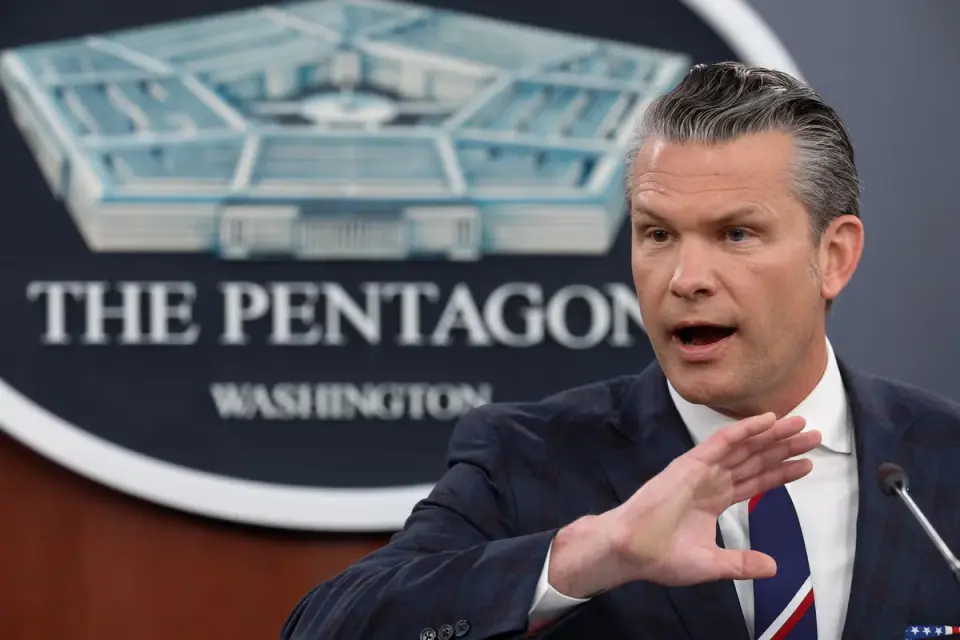
Defense Secretary Pete Hegseth signed a classified memo requiring U.S. military personnel to obtain permission before engaging in informal social activities with Canadian counterparts. While the directive does not affect operational cooperation like NORAD or NATO, it reflects heightened tensions over defense spending and trade. Canadian officials confirmed they were unaware of the memo and reported no change in joint military operations.
Key points
- Hegseth’s memo, drafted months ago but signed recently, restricts informal socializing and think-tank attendance between U.S. and Canadian military staff without prior authorization.
- The directive aims to pressure Canada to increase defense spending and meet NATO targets, citing shortfalls in air, sea, and land readiness rates.
- Canadian Defense Minister David McGuinty stated he had not seen the document and detected no operational changes, describing cooperation as 'business as usual.'
- U.S. officials emphasized that intelligence sharing, NORAD, and NATO cooperation remain unaffected by the new guidance.
- The memo follows a series of diplomatic frictions, including trade wars and disputes over military equipment procurement, such as Canada’s potential shift from F-35s to Swedish aircraft.
Background
This development follows earlier tensions, including the Pentagon’s pause in participation in the Permanent Joint Board on Defence in May 2026 and ongoing disputes over Canada’s defense spending levels. Recent tragic events, such as the Wainwright base fire in October, have also highlighted the complexities of bilateral military cooperation.
How outlets are covering it
The Independent and The New York Times framed the memo as a symbolic 'slap in the face' reflecting deteriorating relations, while The New York Times noted it allowed U.S. senators to reassure Canadian counterparts that operational ties remained intact. CBC emphasized that Canadian officials were unaware of the directive and saw no practical impact, describing the situation as 'business as usual.' Axios highlighted the Pentagon’s focus on Canada’s defense readiness shortfalls, noting that while the memo is a 'shot across the bow,' it does not hinder core intelligence or defense cooperation. All sources agreed that the directive targets informal interactions rather than formal military operations.
Why it matters
The memo signals a shift in U.S. diplomatic strategy, using informal restrictions to leverage defense spending commitments from a key ally. It underscores the fragility of U.S.-Canada relations amid broader geopolitical shifts, where trade disputes and defense procurement decisions are increasingly intertwined with military cooperation. The move may influence Canada’s future procurement choices and its alignment with NATO spending targets.
What to watch
Canada is expected to finalize decisions on F-35 procurement and potentially explore alternative European aircraft. U.S. and Canadian officials will continue to monitor the impact of the memo on informal interactions, while diplomatic efforts to resolve trade and defense spending disputes remain ongoing. The Pentagon may issue further guidance if Canada does not meet its defense investment pledges.
- Hegseth says US and Canadian military officials need permission before socializing The Independent
- In secret memo, Hegseth restricts U.S.-Canada defense relationship The Washington Post
- Pentagon Issued Memo Limiting ‘Social Activities’ With Canadian Military The New York Times
- Hegseth reportedly moves to restrict defence ties with Canada, but Ottawa sees no change CBC
- Scoop: The Pentagon's case for Canada to "get serious" on defense Axios
Want the full story? Read the original reporting
Read on The Independent