
Idaho Identifies 1982 Suicide Victim as Chemist Betkouski, Sparking Tylenol Murders Debate
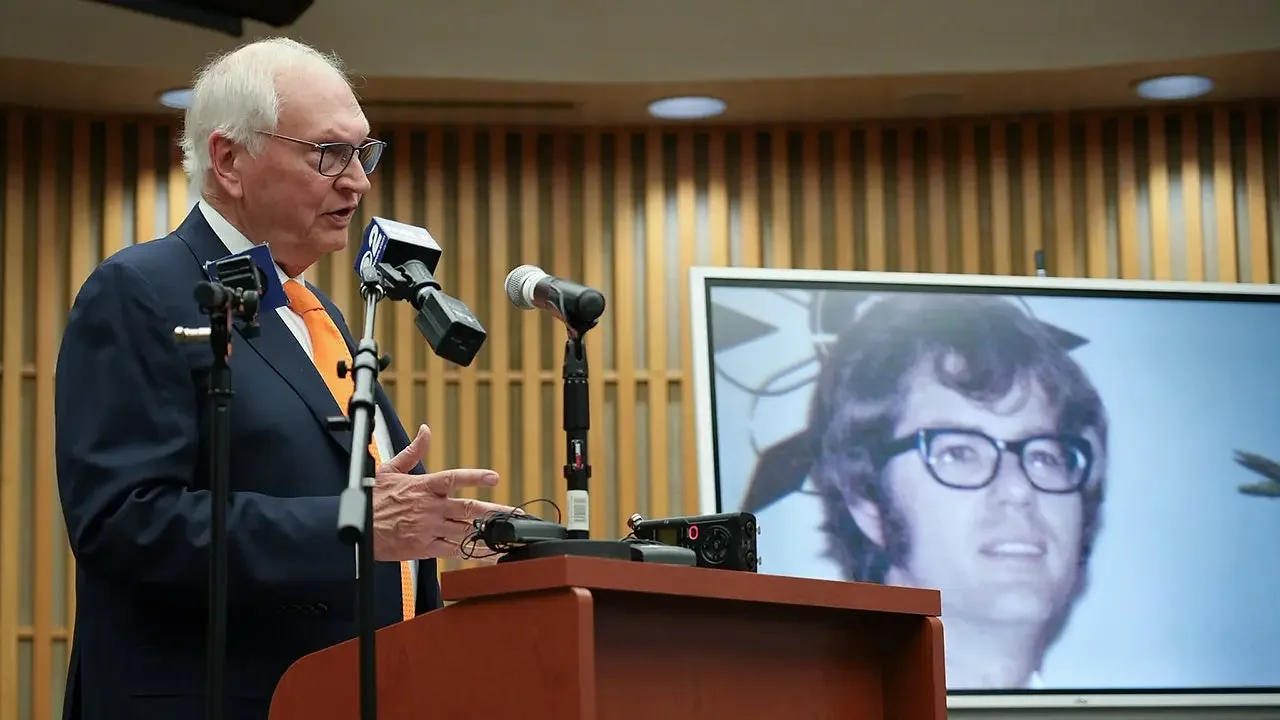
Ada County Sheriff’s Office in Boise identified a 1982 suicide victim known as the 'Unknown Wanderer' as Dr. Mathew Francis Betkouski, an organic chemist. While forensic psychiatrist Dr. Park Dietz called the identification 'very likely closure' for the unsolved 1982 Chicago Tylenol murders, Idaho authorities declined to name Betkouski a suspect due to lack of physical evidence placing him in Chicago during the killings. Chicago and FBI officials remain skeptical, noting no DNA match and unsubstantiated claims over 44 years.
Key points
- Ada County Sheriff’s Office identified the 'Unknown Wanderer' as Dr. Mathew Francis Betkouski, who died of cyanide poisoning in Boise on Dec. 4, 1982.
- Betkouski was an organic chemist with a history of discussing cyanide and 'perfect crimes,' and had a traumatic brain injury in 1974 that worsened his mental health.
- Idaho investigators found a hand-drawn map of Chicago and a bottle of sodium cyanide in Betkouski’s belongings, but the cyanide was not the potassium cyanide used in the Tylenol murders.
- Forensic psychiatrist Dr. Park Dietz, who consulted on the original Tylenol case, stated that anonymous profilers overwhelmingly considered Betkouski a viable suspect.
- Chicago and FBI officials rejected the link, citing no DNA match and lack of evidence placing Betkouski in Chicago during the September 1982 poisonings.
- James Lewis, the long-standing prime suspect in the Tylenol murders, died in 2023 at age 76, leaving the case unsolved.
Background
The 1982 Chicago Tylenol murders involved seven deaths from cyanide-laced capsules, leading to tamper-evident packaging and a 15-agency task force. James Lewis was the sole prime suspect, convicted of extortion but never the murders. He died in 2023. The 'Unknown Wanderer' case had been unsolved for 44 years until a key from Jacksonville, Florida, and DNA from his brother’s sample led to his identification.
How outlets are covering it
Fox News emphasized Dr. Park Dietz’s 'very likely closure' and the profilers’ consensus, framing the identification as a major breakthrough. Chicago Tribune and NBC 5 Chicago highlighted skepticism from former task force members like Jeremy Margolis, who called the link 'utter nonsense' and noted no physical evidence. CBS News detailed Betkouski’s background, including his family’s prominence and mental health struggles, while stressing the lack of proof he was in Chicago. All sources agreed Idaho authorities did not name Betkouski a suspect, but differed on the significance of the psychological profile versus physical evidence.
Why it matters
The identification of Betkouski reopens a 44-year-old cold case and raises questions about the Tylenol murders, but the lack of physical evidence and skepticism from Chicago and FBI officials suggest the case remains unresolved. The focus on psychological profiling versus hard evidence highlights ongoing debates in cold case investigations.
What to watch
Idaho authorities have shared findings with Chicago and Arlington Heights police, who are reviewing the information. An Unsolved Mysteries documentary titled 'Unmasking the Tylenol Killer' is set to release on Oct. 9, potentially providing further details. Chicago police and the FBI remain the lead agencies, with the FBI stating it will release credible information only when the evidence yields a true case resolution.
- Tylenol murders mystery deepens after sheriff’s office solves decades-old ‘Unknown Wanderer’ cold case Fox News
- ‘Brilliant’ man ID’d in 1982 Idaho cold case had links to Chicago prior to Tylenol murders WGN-TV
- Idaho authorities say they have a new lead on the Tylenol murders. Illinois investigators are skeptical. Chicago Tribune
- Boise's "Unknown Wanderer" is identified after 43 years. Could he be linked to Chicago Tylenol murders? CBS News
- Identity of Idaho's ‘Unknown Wanderer' released with no tie to Chicago Tylenol murders NBC 5 Chicago
Want the full story? Read the original reporting
Read on Fox News