Tag

Forensic Science

All articles tagged with #forensic science

New DNA Analysis of Shroud of Turin Reveals Centuries of Contamination, Not Origin
science10 hours ago

New DNA Analysis of Shroud of Turin Reveals Centuries of Contamination, Not Origin

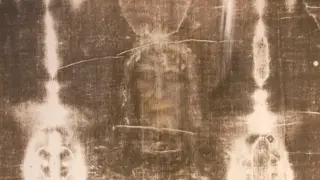
A comprehensive DNA study of the Shroud of Turin, published in Scientific Reports, identifies genetic traces from humans, animals, and plants, including American crops like maize and peanuts. The findings suggest the cloth accumulated biological material from the Late Middle Ages onward, reflecting centuries of handling and repair rather than its original age. While the analysis cannot confirm the cloth’s authenticity or link it to Jesus, it provides detailed insights into its environmental history and the impact of human interaction over time.
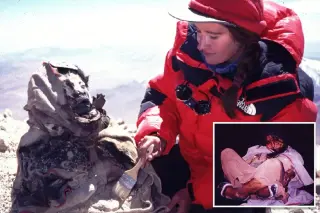
New forensic analysis confirms Inca child sacrifices involved months of drugging
science-and-history3 days ago

New forensic analysis confirms Inca child sacrifices involved months of drugging

A new toxicological study confirms that children sacrificed in the Inca Empire were administered cocaine, alcohol, and ayahuasca before their deaths. Researchers analyzed hair and nail samples from eight frozen mummies found in Peru and Argentina, revealing that these substances were used to ease altitude sickness and calm the victims during long, multi-month journeys to high-altitude peaks. The findings, published in Antiquity, add to recent CT scan data showing varied causes of death, including blunt force trauma and suffocation, and suggest the rituals served both religious and political purposes during the 15th and 16th centuries.

Coroner's inquest concludes Iron Age bog woman was ritually beheaded
world5 days ago

Coroner's inquest concludes Iron Age bog woman was ritually beheaded

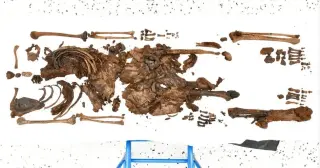
A coroner's investigation at the Ulster Museum determined that the 'Ballymacombs More Woman,' an Iron Age female whose remains were found in a Northern Ireland bog in 2023, was deliberately decapitated between the ages of 15 and 22. The inquiry, described as the first of its kind for ancient remains, concluded her death likely resulted from a ritualized sacrifice or killing, though the exact motive remains unknown.

New forensic scans and chemical analyses reveal complex rituals and varied deaths of Inca child sacrifices
science-and-history6 days ago

New forensic scans and chemical analyses reveal complex rituals and varied deaths of Inca child sacrifices

Recent studies on Inca 'ice mummies' reveal that children sacrificed in the 15th and 16th centuries underwent months-long journeys and were administered specific drugs, including coca and alcohol, before death. New CT scans and chemical analyses indicate varied causes of death, ranging from blunt force trauma to exposure, challenging previous assumptions about the ritual's uniformity.

Global DNA search solves 1998 Phoenix cold case, restoring identity to 'Box Mike'
us-news8 days ago

Global DNA search solves 1998 Phoenix cold case, restoring identity to 'Box Mike'

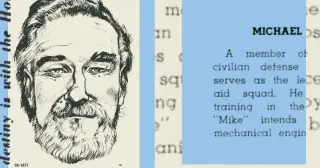
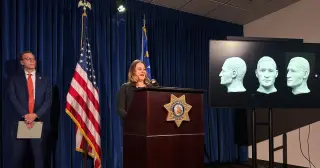
A 1998 homicide investigation in Phoenix, Arizona, has been resolved after decades thanks to a global DNA search. The victim, previously known only by the nickname 'Box Mike' due to his homelessness, has been identified through advanced forensic techniques. A detective involved in the case noted that the breakthrough allowed authorities to finally restore the man's true name after years of anonymity.

Polygraph tests remain scientifically unreliable, allowing some to manipulate results through stress control
science10 days ago

Polygraph tests remain scientifically unreliable, allowing some to manipulate results through stress control

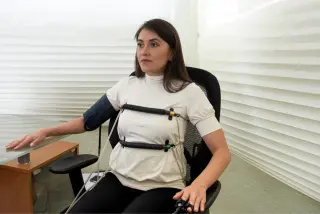
Polygraph tests measure physiological responses like heart rate and breathing, but these indicators are often triggered by anxiety rather than deception. Because stress levels vary widely among individuals, innocent people may fail tests while calm liars can pass. Techniques such as altering baseline readings or suppressing emotional responses can manipulate results, rendering the device unreliable for determining truthfulness.

Genealogical DNA solves Lake Mead barrel murder mystery from the 1980s
us-news1 month ago

Genealogical DNA solves Lake Mead barrel murder mystery from the 1980s

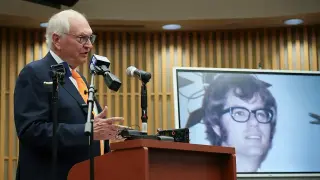
Las Vegas authorities have identified the remains found in a barrel at Lake Mead in 2022 as Edward Lelburian Jackson, a man from Arkansas who was murdered in the early 1980s. The case, which remained unsolved for four years, was solved through genealogical DNA testing. While the victim’s identity is now known, the killer remains unidentified, and police have dismissed public speculation regarding organized crime involvement.

AI System 'mHolmes' Uses Microbiome Data to Estimate Time of Death with High Accuracy
science-and-technology1 month ago

AI System 'mHolmes' Uses Microbiome Data to Estimate Time of Death with High Accuracy

Researchers have developed an AI system called mHolmes that estimates the time since death by analyzing microbial changes on cadavers. Published in Nature Communications, the tool achieves an average error of less than two days, outperforming traditional methods that often err by three days or more. The system can also reconstruct microbial history for bodies discovered late or in fragmented states, offering a potential breakthrough for forensic investigations.

Idaho Identifies 1982 Suicide Victim as Chemist Betkouski, Sparking Tylenol Murders Debate
crime2 months ago

Idaho Identifies 1982 Suicide Victim as Chemist Betkouski, Sparking Tylenol Murders Debate

Ada County Sheriff’s Office in Boise identified a 1982 suicide victim known as the 'Unknown Wanderer' as Dr. Mathew Francis Betkouski, an organic chemist. While forensic psychiatrist Dr. Park Dietz called the identification 'very likely closure' for the unsolved 1982 Chicago Tylenol murders, Idaho authorities declined to name Betkouski a suspect due to lack of physical evidence placing him in Chicago during the killings. Chicago and FBI officials remain skeptical, noting no DNA match and unsubstantiated claims over 44 years.

Colorado DNA Analyst Sentenced to 10 Years for Manipulating Evidence in Over 1,000 Cases
us-news2 months ago

Colorado DNA Analyst Sentenced to 10 Years for Manipulating Evidence in Over 1,000 Cases

Yvonne 'Missy' Woods, a former forensic analyst for the Colorado Bureau of Investigation, was sentenced to 10 years in prison on September 8, 2026. She pleaded guilty to perjury, forgery, and other charges after manipulating DNA data in over 1,000 criminal cases. Her actions led to the vacating of at least one murder conviction and prompted a state-wide review of forensic procedures, costing over $11 million.

Colorado DNA Analyst Missy Woods Sentenced to 10 Years for Decades of Data Manipulation
crime-and-justice2 months ago

Colorado DNA Analyst Missy Woods Sentenced to 10 Years for Decades of Data Manipulation

Yvonne 'Missy' Woods, a former forensic analyst for the Colorado Bureau of Investigation (CBI), was sentenced to 10 years in prison on September 8, 2026, for manipulating DNA data. Woods pleaded guilty in June to perjury, forgery, cybercrime, and attempting to influence a public servant. Her misconduct, which spanned decades, led to the review of over 1,000 cases, the vacating of at least one murder conviction, and an estimated cost to the state exceeding $11 million. While prosecutors emphasized the breach of public trust and harm to victims, defense attorneys argued that Woods was overwhelmed by caseloads and that her actions did not result in wrongful convictions.

120-Year-Old Taxidermy Bear in Essex Aids Forensic Research to Combat Wildlife Poaching
science-and-conservation2 months ago

120-Year-Old Taxidermy Bear in Essex Aids Forensic Research to Combat Wildlife Poaching

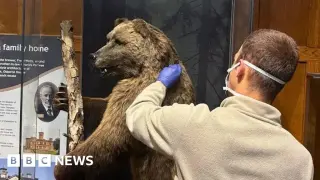
A forensic science graduate at the University of Staffordshire is using hair samples from a 120-year-old taxidermy bear at the Museum of Chelmsford to develop cost-effective methods for identifying animal hairs in wildlife crime investigations. The research aims to create reliable alternatives to DNA analysis to help protect brown bears from illegal poaching and trafficking.

Thermo Fisher patches critical DNA software flaw allowing undetectable AI-driven tampering
cybersecurity3 months ago

Thermo Fisher patches critical DNA software flaw allowing undetectable AI-driven tampering

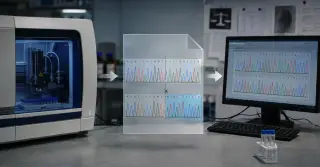
Thermo Fisher Scientific has patched a high-severity vulnerability in Applied Biosystems software that allowed attackers to undetectably alter digital DNA evidence files. The flaw, identified by researchers using AI tools, could enable the manipulation of forensic data used in criminal cases. While the vendor has released updates with digital signatures for five product lines, three older systems remain unsupported, and experts warn that prior tampering may be impossible to detect.

Greek Police Accelerate Forensic Tests in Mystery of Briton Found in Suitcase
world3 months ago

Greek Police Accelerate Forensic Tests in Mystery of Briton Found in Suitcase

Greek authorities are fast-tracking toxicological and tissue tests to determine the cause of death for Elisabeth-Jane Ross, a 38-year-old British woman found in a suitcase in Athens. While initial examinations showed no visible injuries, investigators are analyzing advanced decay evidence to uncover the truth. The case remains unsolved, with police struggling to identify the Americans Ross visited before her disappearance and noting that her phone was used days after her death.

Superworms as Safer, Faster Skeletal Cleaners for Museums
science4 months ago

Superworms as Safer, Faster Skeletal Cleaners for Museums

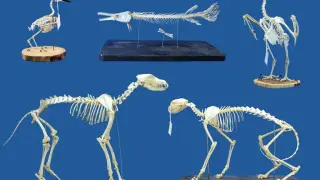
A team led by Fatemeh Rastekar tested the larvae of the common pet worm Zophobas morio (superworms) as an alternative to dermestid beetles for cleaning skeletal remains. They found an optimal ratio of 10–15 grams of larvae per gram of specimen, which minimized cleaning time without bone damage and offered easier containment since the larvae don’t pupate or escape in crowded conditions. The process involved initial flesh removal, feeding larvae fruit scraps, regular container rotation, and avoiding harsh bleach, with bones finally rinsed and lightly varnished for display. The results suggest superworms are a practical, adaptable option for museum and research skeletal preparation, performing comparably to beetles across tested specimens.