
Indiana executes Jeffrey Weisheit in first of three U.S. capital punishments on Nov. 5
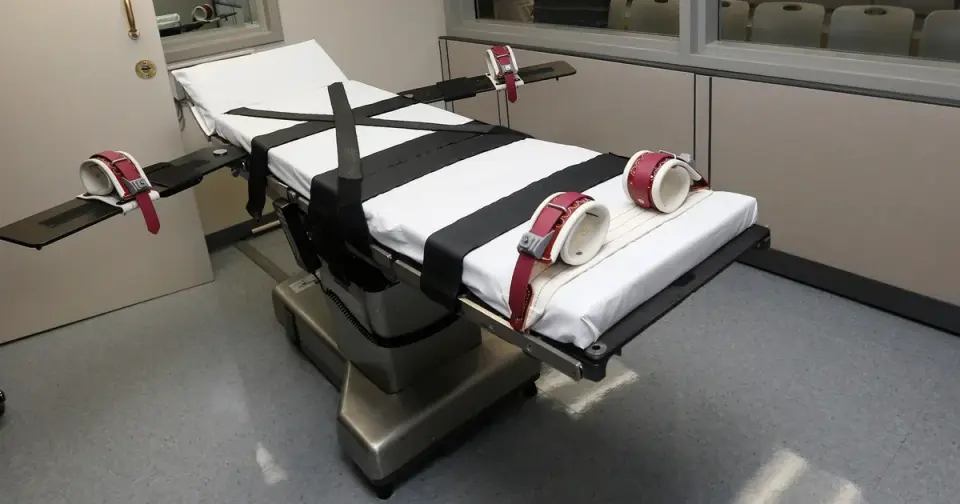
Jeffrey Weisheit, 50, was executed by lethal injection at the Indiana State Prison in Michigan City on November 5, 2026. He was convicted for the 2010 murders of his girlfriend’s two children, ages 8 and 5, which he committed by setting fire to their home in Evansville. The execution was the first in Indiana this year and the first of three scheduled for the same day, alongside executions in Florida and Alabama. Governor Mike Braun denied clemency after the state parole board recommended against it. Weisheit’s attorneys raised concerns about the source of the lethal drugs, but courts and the governor rejected delays. Weisheit had no final words and was pronounced dead at 12:45 a.m.
Key points
- Jeffrey Weisheit was executed at 12:45 a.m. on November 5, 2026, at the Indiana State Prison in Michigan City.
- Weisheit was convicted of murdering Alyssa Lynch, 8, and Caleb Lynch, 5, in 2010 by setting fire to their home in Evansville.
- Indiana Governor Mike Braun denied clemency after the state parole board unanimously recommended against it.
- The execution was the first in Indiana in 2026 and the first of three U.S. executions scheduled for the same day.
- Florida and Alabama also scheduled executions for November 5, marking the second time this year three people were executed on the same day.
- Weisheit’s attorneys challenged the execution over concerns about the pharmacy supplying the lethal drugs, but the challenge was rejected.
Background
The death penalty has faced renewed scrutiny in the U.S. following the failed execution of Christa Pike in Tennessee in September 2026, where she survived two doses of pentobarbital. Courts have rejected efforts to halt other executions since then. In October 2026, former Army Major Nidal Hasan was scheduled for execution by firing squad at Fort Hood, Texas, marking the first U.S. military execution since 1961. Indiana’s execution of Weisheit is the first in the state this year, while Florida is on track to match its 2025 execution record with its 19th execution this year.
How outlets are covering it
CBS News and CNN reported the execution as a routine fulfillment of a court-ordered sentence, emphasizing the finality of the legal process and the victims’ families’ desire for justice. NBC News focused on the procedural concerns raised by Weisheit’s attorneys, highlighting the potential link to Pharmaneek, a pharmacy on probation, and the high cost of the pentobarbital used. WFIE emphasized the clemency process and the state’s confidence in the execution’s safety. All sources agreed on the basic facts of the execution and the crimes, but differed in emphasis: some focused on the victims and justice, while others highlighted the legal and procedural challenges surrounding the drug supply and the broader context of the Tennessee execution failure.
Why it matters
The execution highlights ongoing debates over the death penalty, clemency processes, and the safety of lethal injection protocols in the U.S. The concerns raised about the drug supplier, Pharmaneek, and the high cost of the pentobarbital used, raise questions about the transparency and safety of execution procedures. The event also underscores the finality of the legal process, as courts and governors have consistently rejected challenges to executions, even in light of procedural concerns. The execution of Weisheit, alongside those in Florida and Alabama, marks a significant moment in the 2026 death penalty landscape, with Florida on track to match its 2025 record and Indiana carrying out its first execution of the year.
What to watch
Florida and Alabama are scheduled to carry out their executions on November 5, 2026. The Indiana Board of Pharmacy is scheduled to hold a hearing on Pharmaneek on November 9, 2026, to determine if the pharmacy’s license should be suspended or if further sanctions should be imposed. The case may also lead to further scrutiny of the state’s execution drug supply chain and the transparency of its procurement processes.
- First of 3 U.S. executions set for Thursday carried out in Indiana CBS News
- Convicted child killer Jeffrey Weisheit dies by lethal injection WTHR
- Indiana carries out the first of 3 US executions taking place on a single day CNN
- Jeffrey Weisheit executed 16 years later for murder of 2 children WFIE | 14 News
- Lawyers rush to halt Indiana execution over state’s lethal drug supplier NBC News
Want the full story? Read the original reporting
Read on CBS News