
Army reschedules Iowa lead azide detonation to Wednesday despite legal stay
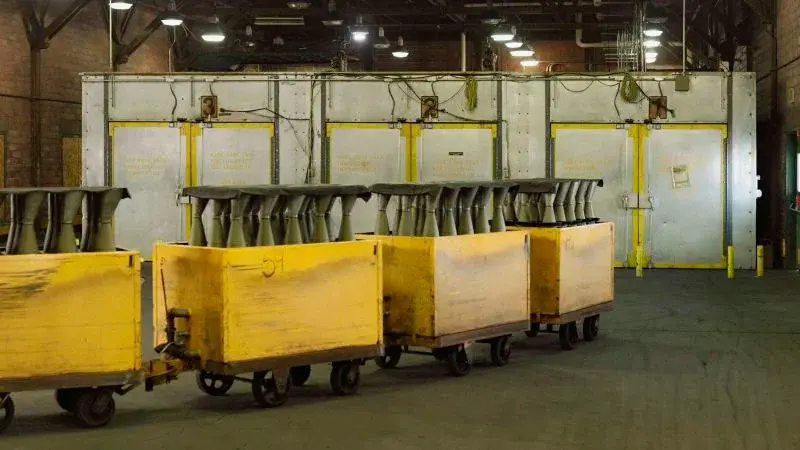
The U.S. Army plans to detonate nearly five tons of unstable lead azide at the Iowa Army Ammunition Plant on Wednesday, November 25, despite a federal court stay. The Army cites imminent risks of spontaneous explosion due to freezing temperatures, while critics argue the detonation will release toxic lead dust and that safer chemical neutralization options were improperly rejected.
Key points
- The Army rescheduled the controlled detonation from Monday to Wednesday, November 25, to allow for optimal weather conditions and the implementation of mitigation measures.
- A federal judge granted an emergency stay on Thursday, halting the EPA permit for the detonation, but the Justice Department argues the Army can proceed under a separate emergency exemption for explosives.
- The Army canceled a contract with MuniRem Environmental, a Georgia-based firm that uses chemicals to neutralize munitions, two months after awarding it, citing safety concerns and claiming detonation is the only safe method.
- Critics, including the Iowa Environmental Council and Sierra Club, argue the Army failed to adequately consider alternatives, provide sufficient public notice, or protect vulnerable populations from lead contamination.
- The material has recrystallized, making it vulnerable to spontaneous detonation, especially in freezing temperatures, which the Army argues necessitates immediate action despite the legal challenges.
Background
The Iowa Army Ammunition Plant, a World War II-era facility spanning 19,000 acres in Des Moines County, has stored lead azide for decades. The material degraded and recrystallized, prompting the Army to notify the EPA in March 2026. Previous coverage highlighted the immediate halt of the detonation on November 20 and 21, following lawsuits by environmental groups and pressure from Iowa Governor Kim Reynolds, who activated the State Emergency Operations Center. The dispute centers on whether the Army prioritized speed over thorough risk assessment and alternative disposal methods.
How outlets are covering it
The Army and the Justice Department emphasize the imminent danger of an uncontrolled explosion due to the material's instability in freezing temperatures, asserting that a controlled detonation is the only safe option to minimize lead release. They argue the court stay only suspends the EPA permit, not the Army's authority to act under emergency exemptions. Conversely, environmental groups and local officials, including the Iowa Environmental Council and Sierra Club, contend the Army prematurely rejected safer chemical neutralization methods, failed to provide adequate public notice, and underestimated the long-term health risks of lead contamination. Critics argue the Army's decision to cancel the MuniRem contract without sufficient justification demonstrates a lack of transparency and prioritization of community safety.
Why it matters
The detonation poses significant health and environmental risks to nearby communities, including Middletown, and surrounding farmland. The controversy highlights tensions between military operational priorities and environmental safeguards, as well as the adequacy of public notification and risk assessment in hazardous material management. The outcome will influence future policies on the disposal of unstable munitions and the balance between immediate safety concerns and long-term environmental protection.
What to watch
The Army is scheduled to detonate the lead azide on Wednesday, November 25, pending weather conditions. The federal appeals court will continue to review the emergency stay, with the Justice Department opposing the pause. Environmental groups may seek further legal action or public hearings to address concerns about lead contamination and the rejection of alternative disposal methods. The Army has promised additional details on mitigation measures and public health guidance.
- The Army plans to blow up 5 tons of lead azide in Iowa despite outcry and legal challenges. Here’s how we got here CNN
- Army reschedules southeast Iowa lead azide blasts for Wednesday Iowa Public Radio
- Army detonation of lead azide moved to Wednesday in Iowa The Hill
- Army update on Iowa Army Ammunition Plant Army.mil
- The Army Rejected a Cleaner Option to Destroy Lead-Laced Explosives in Iowa The New York Times
Want the full story? Read the original reporting
Read on CNN