
Clancy holdout juror Desronvil denies doubts, faces legal and personal fallout
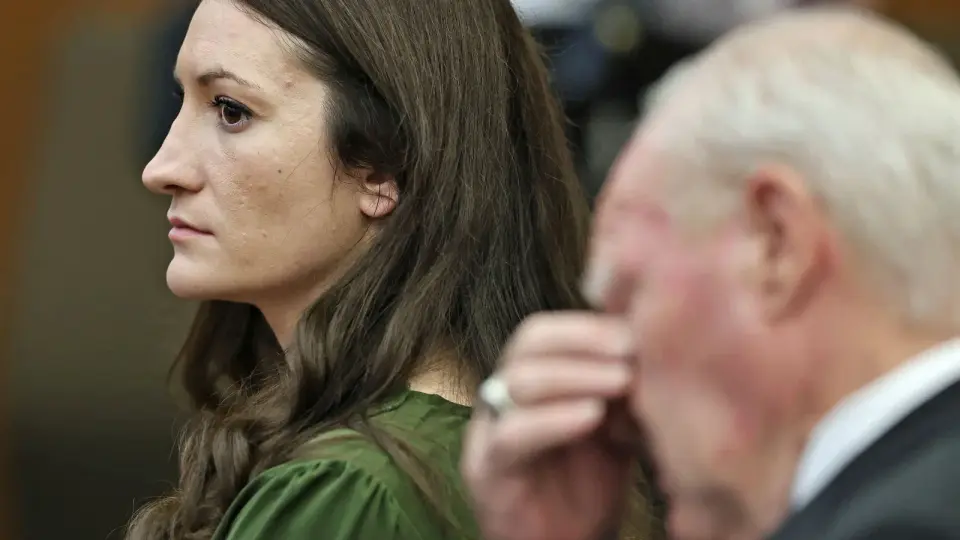
The lone holdout juror in the Lindsay Clancy triple-murder trial, Michael Péguy Desronvil, has publicly denied having doubts about the defendant's guilt. In a statement released by his attorney, Edward Paltzik, on September 18, Desronvil claimed he believed the evidence proved Clancy acted with intent, contradicting accounts from fellow jurors who said he expressed reasonable doubt. The dispute led to a mistrial on September 4 after more than 38 hours of deliberation. Desronvil, described by his lawyer as a devout Catholic and Trump supporter, is now in a secure location in Northern New England amid intense public scrutiny and harassment. While the defense argued Clancy suffered from postpartum psychosis, prosecutors contended she was criminally responsible. A hearing is scheduled for September 29 to determine if a retrial will occur, though the defense has also moved for a not-guilty finding by reason of lack of criminal responsibility.
Key points
- Michael Péguy Desronvil, 48, identified as the holdout juror, stated he had no doubts that Lindsay Clancy knew what she was doing when she killed her three children in January 2023.
- Desronvil's attorney, Edward Paltzik, released the statement on September 18, describing Desronvil as a 'devout Catholic' and 'devoted father' who supports President Donald Trump.
- Fellow jurors, including foreperson Roni Carlson and juror Nick Dargie, claimed Desronvil admitted to reasonable doubt but refused to vote for a not-guilty-by-reason-of-insanity verdict, leading to a mistrial on September 4.
- Desronvil is currently in an undisclosed secure location in rural Northern New England after facing online harassment and criticism from the public and other jurors.
- Judge William Sullivan indefinitely extended the impoundment order for juror names due to the 'significant and divisive attention' and privacy concerns raised by the jurors.
- Clancy's defense attorney, Kevin Reddington, has filed a motion for a not-guilty finding based on lack of criminal responsibility, with a hearing scheduled for September 29.
Background
The Lindsay Clancy trial began in 2026 after she was charged with the murder of her three children, Cora, Dawson, and Callan, in their Duxbury, Massachusetts home in January 2023. Clancy admitted to strangling the children and attempting suicide but argued she was suffering from postpartum psychosis. The trial lasted five weeks and ended in a mistrial on September 4, 2026, after the jury failed to reach a unanimous verdict following more than 38 hours of deliberation. The case has drawn significant public attention, with intense speculation about the holdout juror's identity and motivations. Prior to the identification of Desronvil, the jury's deadlock and the subsequent mistrial sparked widespread debate about the legal standards for criminal responsibility in cases involving mental illness.
How outlets are covering it
The primary source, USA Today, focuses on Desronvil's denial of having doubts and the legal dispute between the jurors, highlighting the conflicting accounts of the deliberation process. ABC News emphasizes the procedural aspects, noting that the jury reached an 11-1 split in favor of a not-guilty-by-reason-of-insanity verdict, with Desronvil being the sole dissenting voice. The New York Post provides a more detailed background on Desronvil's personal life, including his Haitian immigrant family background, his political views, and his history of domestic violence allegations, which it suggests may have influenced his verdict. The outlets differ in their emphasis: USA Today and ABC News focus on the legal and procedural aspects of the mistrial, while the New York Post delves into the personal and social context of Desronvil's actions, including the role of his faith and political beliefs. All sources agree on the basic facts of the mistrial and Desronvil's public statement, but they vary in their interpretation of his motivations and the broader implications of the case.
Why it matters
The case highlights the complexities of jury deliberations in high-profile criminal trials, particularly when mental health defenses are involved. The public scrutiny of the holdout juror raises questions about the privacy and safety of jurors in sensitive cases. The outcome of the September 29 hearing will determine whether the case proceeds to a retrial or if a not-guilty finding is entered, which could have significant implications for the legal standards surrounding postpartum psychosis and criminal responsibility. The intense media attention and public backlash against Desronvil also underscore the challenges of maintaining juror anonymity in the digital age.
What to watch
A hearing is scheduled for September 29, 2026, in Plymouth, Massachusetts, where Judge William Sullivan will consider the defense's motion for a not-guilty finding by reason of lack of criminal responsibility. Plymouth County District Attorney Timothy Cruz has not yet announced whether he plans to retry Clancy. Desronvil's attorney has indicated that there will be a 'time for the real story' of the trial to be shared, but Desronvil is not currently speaking to the media. The case remains unresolved, with the potential for further legal proceedings and continued public debate over the role of mental health in criminal liability.
- Lindsay Clancy holdout juror says he had no doubts USA Today
- Holdout juror in Lindsay Clancy trial says he 'didn't have any doubts' during deliberations ABC News - Breaking News, Latest News and Videos
- Scrutiny of Jury May Complicate Future of Lindsay Clancy Case The New York Times
- Holdout juror in Lindsay Clancy mistrial, Michael P. Desronvil, speaks out for first time after intense backlash New York Post
- Holdout juror in Clancy trial says he didn't have 'any doubts' that she was responsible for killing her kids PBS
Want the full story? Read the original reporting
Read on USA Today