
Miguel Salguero-Olivares Sentenced to Life Without Parole for 2012 Killing of Faith Hedgepeth
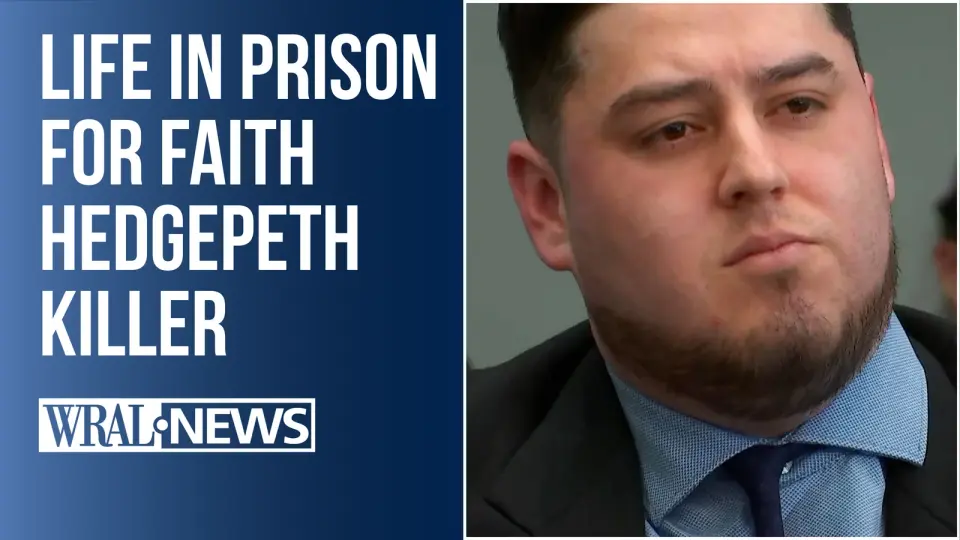
Miguel Salguero-Olivares was sentenced to life in prison without parole on Friday for the 2012 murder of UNC-Chapel Hill student Faith Hedgepeth. A jury in Durham County convicted him of first-degree murder, rape, sexual offense, and burglary after a trial that concluded 14 years after the crime. The sentences for the additional charges will run consecutively. The case relied heavily on DNA evidence collected during a 2021 traffic stop, which linked Olivares to the crime scene. The victim's family expressed closure, while the defendant maintained his innocence and is planning an appeal.
Key points
- Miguel Salguero-Olivares, 33, received a life sentence without parole for the first-degree murder of Faith Hedgepeth.
- He also received consecutive sentences for first-degree rape, sexual offense, and burglary, totaling additional years in prison.
- The verdict was delivered in Durham County on October 23, 2026, more than 14 years after Hedgepeth was killed in September 2012.
- Olivares was arrested in September 2021 after a drunk-driving stop yielded DNA that matched evidence from the crime scene.
- The defendant did not testify, and his defense team rested without calling witnesses, arguing that investigators had tunnel vision.
- Forensic experts testified that DNA from Olivares was found on the victim, a rum bottle, and a note, with statistical likelihoods described as astronomically high.
Background
This case follows a pattern of high-profile murder convictions in North Carolina where forensic evidence played a decisive role. In October 2026, Caleb Flynn was also sentenced to life without parole for the murder of his wife, relying on digital and testimonial evidence. The Hedgepeth case, however, was distinguished by the significant time gap between the crime and the arrest, which occurred only after a routine traffic stop in 2021 provided a DNA match. The long delay in justice was a central theme for the victim's family, who emphasized the 14-year wait for closure.
How outlets are covering it
WRAL.com focused on the emotional impact on the victim's family, noting that Faith Hedgepeth's mother, Connie Hedgepeth, stated she had forgiven the defendant and felt peace after the verdict. CNN emphasized the strength of the forensic evidence, quoting prosecutors who described the DNA as 'screaming his name' and highlighting the statistical improbability of the DNA match being coincidental. The Raleigh News & Observer provided a broader local context, noting Olivares' age and the consecutive nature of the sentences, while also mentioning other local stories. The defense, as reported by CNN, argued that Olivares was a '19-year-old boy' who may have had consensual sex with the victim days before her death, suggesting that DNA could remain for days. Prosecutors dismissed this as 'noise' and pointed to the widespread presence of Olivares' DNA at the scene.
Why it matters
The conviction closes a 14-year-old case that had become a symbol of the limitations and eventual successes of forensic technology in cold cases. The use of DNA evidence from a 2021 traffic stop to solve a 2012 murder highlights the evolving capabilities of law enforcement in linking suspects to crimes years after they occur. The case also underscores the emotional toll on victims' families, who waited over a decade for justice. The consecutive sentences ensure that Olivares will serve a substantial time in prison, reflecting the severity of the crimes and the impact on the community.
What to watch
Miguel Salguero-Olivares is expected to appeal his convictions and sentences. The case may also lead to further scrutiny of the investigation's handling of evidence, as the defense raised concerns about lost blood evidence and incomplete searches of the crime scene. The victim's family has expressed closure, but the legal proceedings are not yet final. The case may also influence public discourse on the use of DNA databases and the timing of arrests in cold cases.
- Guilty: Faith Hedgepeth's killer sentenced to life in prison without parole WRAL
- Live updates: Jury finds Miguel Olivares guilty of first-degree murder in Faith Hedgepeth death ABC11 News
- Guilty verdict, ‘Jeopardy’ arrest, dancing anchor: Top stories today Raleigh News & Observer
- Miguel Salguero Olivares found guilty of first-degree murder and rape of Faith Hedgepeth The Daily Tar Heel
- Jury convicts man of rape, murder 14 years after UNC-Chapel Hill student’s death CNN
Want the full story? Read the original reporting
Read on WRAL