
Philadelphia probe links 7 missing women to Olney home, 1M digital files
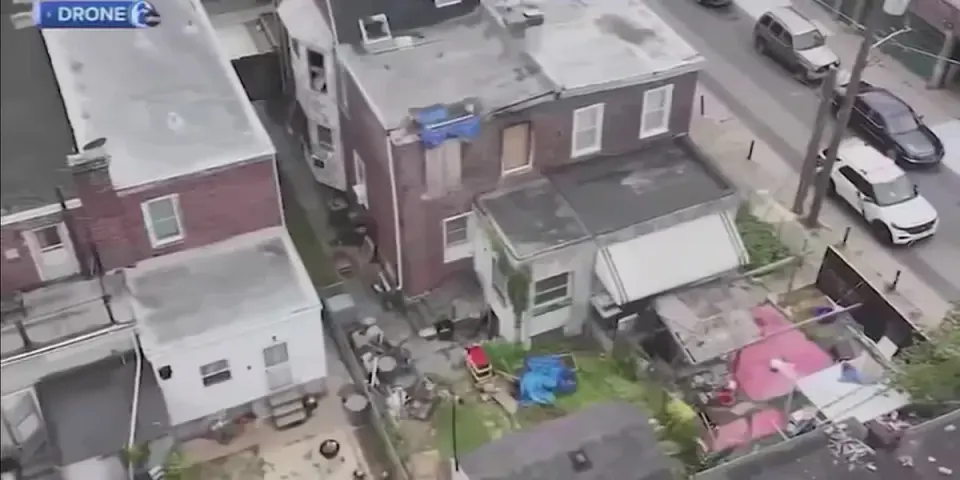
Philadelphia police and the FBI are investigating a home in the Olney neighborhood linked to seven missing women, five of whom are believed dead. The case began in June when Eugene Horsch was arrested for carrying fake federal credentials and a missing woman's ID. Searches of his home uncovered over one million digital files, weapons, and urns containing human ashes. Authorities have not found bodies but are reviewing extensive video and photo evidence.
Key points
- Eugene Horsch, 44, was arrested in June after a traffic stop revealed fake DEA credentials and the ID of Blair Tonzelli, a missing woman.
- Investigators found over 1 million digital files, including 600,000 images and 70,000 videos, at the Chew Avenue home inherited from his late father, Raymond 'R.C.' Horsch.
- Five women are believed dead based on digital evidence, including Maribel Fresses, Gabrielle Amarando, and Nicole Fusaro, who was recorded being strangled.
- No human remains have been recovered, but urns containing human ashes and chemicals potentially used to dissolve evidence were found in the basement.
- Eugene Horsch faces federal charges for firearm possession and document fraud; his father, a filmmaker, died in 2025 without being charged.
Background
This case follows a pattern of traffic stops leading to major criminal discoveries, similar to recent incidents in Memphis and Georgia. The investigation centers on the legacy of Raymond Horsch, a filmmaker known for violent themes, whose son Eugene inherited the property. The lack of physical remains contrasts with the extensive digital evidence, creating a complex forensic challenge.
How outlets are covering it
WPVI and CNN emphasize the scale of the digital evidence and the potential link to Raymond Horsch's past as a filmmaker. NBC10 highlights the emotional impact on families, particularly Nicole Fusaro's cousin, who criticized police for revealing details via press conference rather than direct notification. FOX 29 focuses on the procedural aspects, noting that 30% of the digital evidence has been reviewed and that further searches are planned for late September. All sources agree that no bodies have been found, but they differ in emphasis: WPVI stresses the 'disturbing' nature of the files, while NBC10 focuses on the procedural failures regarding family communication.
Why it matters
The case underscores the challenges of investigating historical crimes using digital evidence without physical remains. It highlights the need for improved communication between law enforcement and families of missing persons, as well as the potential for digital forensics to solve cold cases. The involvement of the FBI and the scale of the evidence suggest a significant impact on local resources and public trust in police handling of sensitive cases.
What to watch
Investigators plan to return to the Chew Avenue property in late September for further searches. Eugene Horsch's federal trial is scheduled for January. The FBI continues to review the remaining 70% of the digital evidence, and lab tests on the chemicals and urns are pending. Authorities expect to provide more updates as the analysis progresses, potentially leading to further charges or identifications of victims.
- More than 1 million images of women, some possibly photographed dead, found after traffic stop, police say Live 5 News
- What we know about the 7 missing women connected to Philadelphia mystery house NBC10 Philadelphia
- Philly missing women probe: Police uncover key videos FOX 29 Philadelphia
- 5 women 'appear to be deceased' in images recovered from Philadelphia home: Police ABC News - Breaking News, Latest News and Videos
- Investigation into R.C. Horsch's Olney house reveals more photos of missing women, police say Inquirer.com
Want the full story? Read the original reporting
Read on Live 5 News