
Rhode Island Solves 1985 Murder via DNA from Discarded Concert Water Bottle
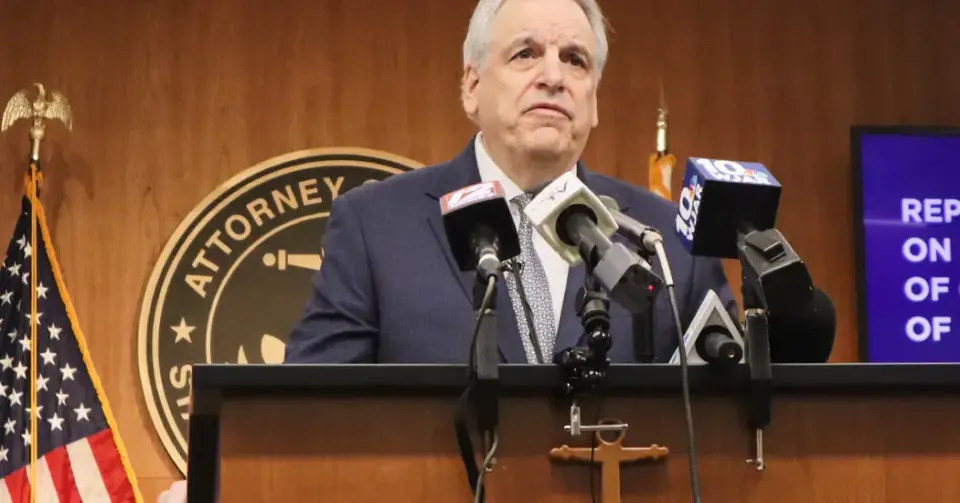
Rhode Island authorities arrested 61-year-old William Morton on Tuesday for the 1985 murder of 22-year-old Hillary Hellewell. Investigators identified Morton after collecting DNA from a water bottle he discarded at a rock concert in August. The case, which had been unsolved for 41 years, was reopened in 2023 using advanced forensic testing. Morton has been charged with first-degree murder and pleaded not guilty.
Key points
- William Morton, 61, was charged with first-degree murder in the death of Hillary Hellewell, who was sexually assaulted and strangled in Newport, Rhode Island, in May 1985.
- Investigators tailed Morton to a concert by the tribute band Bad Animals in Woonsocket, Rhode Island, in August, where he discarded a water bottle after drinking from it.
- DNA from the discarded bottle matched biological samples found on Hellewell’s pants and a blue shirt recovered from the crime scene in 1985.
- The case was reopened in 2023 after DNA evidence was sent to a private laboratory, leading to a new forensic lead and Morton’s identification in 2026.
- Morton was arrested in Smithfield, Rhode Island, on Tuesday and pleaded not guilty, according to his public defender.
Background
This case follows a pattern of cold case resolutions through modern DNA technology, similar to the 2026 sentencing of Ohio doctor Frederick Tanzer for a 1989 rape solved via a discarded coffee cup. However, unlike the Tanzer case, which was barred by statutes of limitations, the Hellewell case proceeded to a murder charge. The 1985 investigation initially lacked DNA testing capabilities, but biological samples were preserved. A 2004 review tested samples against an FBI database without a match, while the 2023 review utilized private lab analysis to identify the suspect.
How outlets are covering it
The New York Times detailed the specific investigative tactic of tailing the suspect to a concert to obtain DNA, emphasizing the role of the Rhode Island attorney general’s office. WJAR and Newport This Week focused on the formal charges and the timeline of the announcement, with Newport This Week noting that Morton is being held without bail. All sources agree on the core facts of the 1985 crime and the 2026 arrest, but the New York Times provided the most granular detail regarding the DNA collection method.
Why it matters
This case demonstrates the continued viability of cold case investigations through preserved biological evidence and advanced forensic technology. It highlights how routine activities, such as discarding a water bottle, can provide critical evidence decades after a crime. The resolution offers closure to the victim’s family and underscores the importance of preserving physical evidence even when initial technology is insufficient.
What to watch
Morton will face trial for first-degree murder. The case may set a precedent for how DNA evidence collected from public spaces can be used in decades-old cases. Legal proceedings will determine the outcome of the charges, and the case may influence discussions on statutes of limitations for homicide in Rhode Island.
- DNA From Water Bottle Leads to Arrest in Decades-Old Murder Case The New York Times
- Suspect charged in 1985 Newport murder cold case WPRI.com
- Man charged with murder in connection with 1985 cold case investigation WJAR
- Cold Case Arrest of 1985 Newport Murder Newport This Week
- New DNA Testing Leads to Arrest in 1985 R.I. Murder Case People.com
Want the full story? Read the original reporting
Read on The New York Times