
Gen Z grapples with 9/11 through secondhand trauma and fragmented education
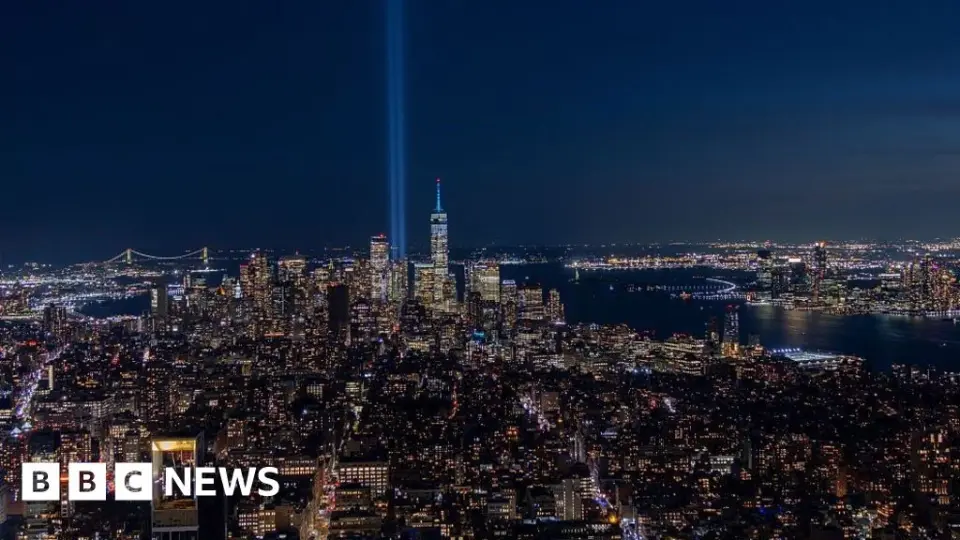
Twenty-five years after the September 11 attacks, Generation Z members recall learning about the tragedy not through direct experience, but through fragmented family anecdotes, inconsistent school curricula, and personal research. While some find the event emotionally distant or difficult to grasp, others engage deeply through memorials and academic study, highlighting a generational shift in how historical trauma is processed and transmitted.
Key points
- Gen Z members, born between 1997 and 2012, primarily learned about 9/11 through parents, teachers, or self-directed research rather than direct experience.
- Education on 9/11 varies significantly by state; 20 states require instruction, 13 make it optional, and many lack specific curricula, leading to inconsistent understanding.
- Many young people recall specific images, such as the 'falling man,' or personal family stories, but often lacked context on the perpetrators or broader geopolitical implications until later.
- The 9/11 Memorial & Museum reports over 28 million visitors since 2014, increasingly from those too young to remember, prompting new educational workshops for teachers.
- Some Gen Z individuals use humor or deflection when discussing 9/11, which experts attribute to a coping mechanism for processing large-scale tragedies they did not witness.
Background
The 25th anniversary of the 9/11 attacks in 2026 has prompted a broader examination of how the event is remembered by those born after the attacks. Previous research on memory retrieval suggests that how information is accessed can alter neural traces, which may explain why secondhand accounts of 9/11 create distinct emotional and cognitive impacts for younger generations compared to those who lived through the event.
How outlets are covering it
The BBC emphasizes the emotional weight of secondhand learning, noting that many Gen Z members struggled to grasp the concept of terrorism or the full scale of the tragedy until they conducted their own research. In contrast, the CUNYverse highlights the fading frequency of classroom discussions about 9/11, suggesting that remembrance is becoming more informal and reliant on personal narratives. Fox News focuses on institutional efforts to preserve memory, citing the 9/11 Memorial & Museum’s outreach programs and the need to pass the 'never forget' promise to a generation that includes firefighters and teachers who did not experience the attacks. National Review offers a more personal, anecdotal perspective, focusing on how the attacks impacted the early lives of its younger staff, such as a honeymoon interrupted by the news. While the BBC and CUNYverse focus on the psychological and educational gaps, Fox News and National Review emphasize the continuity of memory through institutions and personal stories, respectively. There is no direct disagreement on facts, but a difference in emphasis: the BBC and CUNYverse highlight the challenges of understanding, while Fox News and National Review highlight the methods of preservation.
Why it matters
As the 25th anniversary approaches, the way Gen Z understands 9/11 shapes their perception of current security, foreign policy, and historical trauma. Inconsistent education and the shift from direct to secondhand memory may influence how future generations engage with national identity and collective grief. The reliance on personal anecdotes and memorials over standardized curricula suggests a fragmented but emotionally resonant approach to historical memory, which could impact public discourse on terrorism and national security in the coming decades.
What to watch
The 9/11 Memorial & Museum is expanding student workshops and online programs to ensure educators are equipped to teach the event. As more Gen Z members enter the workforce and become parents, the transmission of 9/11 memory will increasingly rely on personal narratives and digital resources rather than direct experience. Future research may explore how secondhand trauma affects long-term memory and emotional processing, particularly as the number of firsthand witnesses declines.
- Gen Zs recall first learning of 'deeply harrowing, terrifying' 9/11 BBC
- A Generation That Inherited 9/11 – CUNYverse cuny.edu
- We Were Born into a Post-9/11 World nationalreview.com
- A generation cannot remember 9/11. We have a duty to make sure they learn Fox News
- Taylor Schlitz: What Sept. 11 can teach a generation that wasn’t alive when it happened Star Tribune
Want the full story? Read the original reporting
Read on BBC