
Turkey’s Journey from Ancient Mexico to the Center of the American Thanksgiving Table
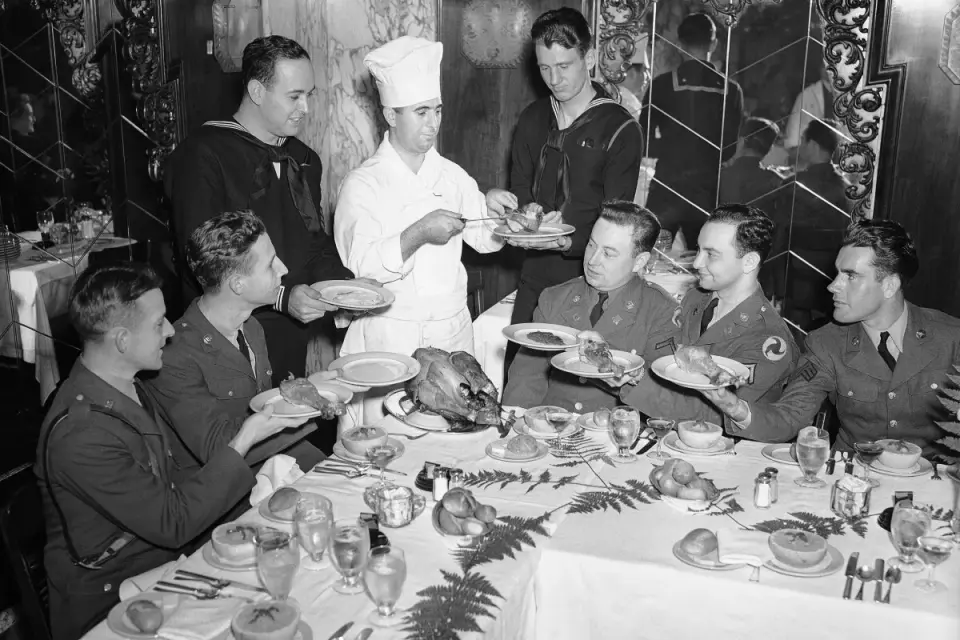
Turkey’s central role in Thanksgiving is a result of centuries of domestication, European colonization, and 19th-century cultural advocacy. While the 1621 feast likely featured venison as the main course, turkey gained prominence as a symbol of American identity. Writer Sarah Josepha Hale’s 1827 novel and her successful petition to President Lincoln in 1863 cemented turkey as the holiday’s defining dish.
Key points
- Turkeys were likely domesticated in central Mexico between 2,500 and 3,000 years ago, with archaeological evidence showing they consumed human-provided maize and were used in rituals.
- Spanish conquistadors brought domesticated turkeys to Europe in the 1500s, where they spread rapidly before being reintroduced to North America by European colonists.
- The 1621 feast between Pilgrims and Wampanoags likely featured venison as the main course, with turkey serving as a side dish alongside duck, goose, and shellfish.
- Benjamin Franklin praised the turkey as a 'true original Native of America' and a 'Bird of Courage' in a letter to his daughter, contrasting it with the bald eagle.
- Sarah Josepha Hale advocated for a national Thanksgiving holiday and featured a roasted turkey in her 1827 novel 'Northwood: A Tale of New England', influencing the holiday's menu.
- President Abraham Lincoln established Thanksgiving as a national holiday in 1863, following Hale's petitions to Congress and five presidents.
Background
This historical overview complements recent coverage of the 2026 White House turkey pardon ceremony, where birds named 'Freedom and Feathers' were selected amid public voting and social media satire. It also contrasts with current economic data showing a 6% rise in the average cost of a Thanksgiving dinner for ten people, driven by higher prices for turkey and staples. The historical narrative provides background on how turkey became the cultural centerpiece of the holiday, distinct from the contemporary political and economic discussions surrounding the bird's modern role.
Why it matters
Understanding the historical evolution of turkey as the centerpiece of Thanksgiving reveals how cultural symbols are shaped by domestication, colonization, and deliberate advocacy. It highlights the role of figures like Sarah Josepha Hale in defining national traditions and underscores the complex journey of the turkey from an ancient Mesoamerican domesticated bird to a modern American icon. This context is essential for appreciating the holiday's cultural significance beyond its contemporary political and economic dimensions.
What to watch
The historical narrative concludes with the establishment of Thanksgiving as a national holiday in 1863, but the ongoing cultural and economic discussions around the holiday continue. Future developments may include further analysis of how turkey prices and supply chain issues affect holiday planning, as well as continued public debate over the political symbolism of the White House turkey pardon ceremony.
Want the full story? Read the original reporting
Read on AP News