
Historian Traces Pie’s Shift from Moral Panic to National Icon
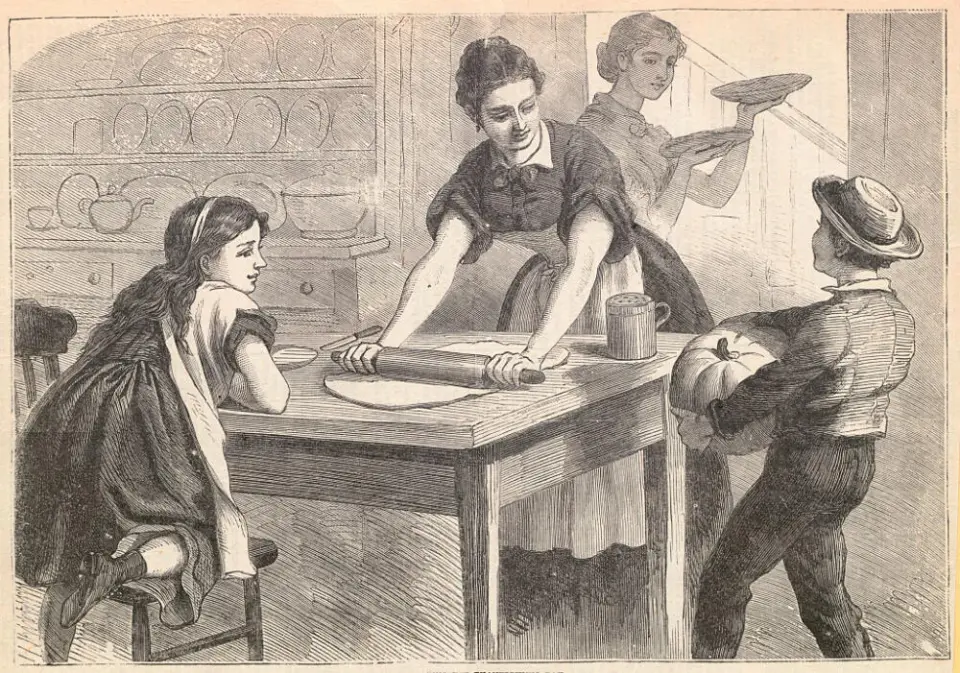
Food historian Susan Benjamin argues that pie’s status in America shifted from a target of 19th-century moral panic to a beloved national symbol, driven by industrial labor, literary defense, and World War I support for troops.
Key points
- Benjamin notes that mid-to-late 19th-century health reformers, including John Harvey Kellogg, condemned pie as causing sexual deviancy, stupidity, and addiction, viewing it as detrimental to physical and mental constitution.
- Rudyard Kipling, living in Vermont in 1892, derided New England as a 'great pie belt,' criticizing the region's habit of eating pie for breakfast, dinner, and supper as a sign of moral and physical decline.
- Despite criticism, pie consumption was massive; a Chelsea factory reportedly used 600 pounds of fowl and 150 pounds of mutton daily, while working-class families relied on portable, inexpensive pies for quick lunches.
- Bostonians defended pie by citing American luminaries like Ralph Waldo Emerson and Louisa May Alcott as pie eaters, with a 1908 Boston Globe article calling pie a 'national institution' akin to the Constitution.
- Benjamin attributes the end of anti-pie sentiment to World War I, when Americans sent pies to soldiers in Europe, with the Boston Globe claiming Bostonians sent 100,000 pies daily, cementing pie’s place in the American landscape.
Background
Pie has long been central to American holiday rituals, particularly Thanksgiving. The primary source highlights a historical period when pie was viewed with suspicion by health reformers, contrasting with its current status as a staple of American culture. The secondary source reflects on pie as a symbol of family continuity and resilience during times of war and absence, emphasizing its emotional significance beyond mere nutrition.
How outlets are covering it
The primary source, WBUR, presents a historical analysis through food historian Susan Benjamin, focusing on the societal and cultural shifts in pie perception from the 19th century to the present. It emphasizes the role of public health movements, literary figures, and wartime efforts in reshaping pie’s image. The secondary source, The Presbyterian Outlook, offers a personal, emotional perspective through Maggie Alsup, using cherry pie as a metaphor for family resilience and the cost of war. While WBUR focuses on broad historical trends and public discourse, The Presbyterian Outlook centers on individual experience and the symbolic power of pie in maintaining family bonds during times of loss and conflict. The two sources complement each other by illustrating pie’s dual role as a subject of public debate and a private symbol of endurance.
Why it matters
Understanding pie’s historical journey reveals how food can reflect broader societal values, anxieties, and identities. The shift from moral panic to national pride illustrates how cultural symbols evolve in response to social, economic, and political changes, offering insights into American identity and collective memory.
What to watch
No further developments are expected, as the primary source discusses historical events that have already concluded. The secondary source is a personal reflection with no future actions or events outlined.
- When pie went from wicked to beloved in America WBUR
- The pie that binds us The Presbyterian Outlook
- How pie became as American as apple pie Deseret News
- Why pie was once America's most-hated dessert WBUR
Want the full story? Read the original reporting
Read on WBUR