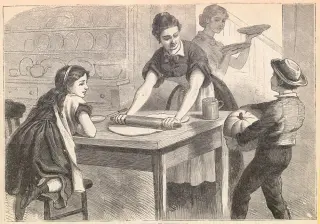
Food historian Susan Benjamin argues that pie’s status in America shifted from a target of 19th-century moral panic to a beloved national symbol, driven by industrial labor, literary defense, and World War I support for troops.
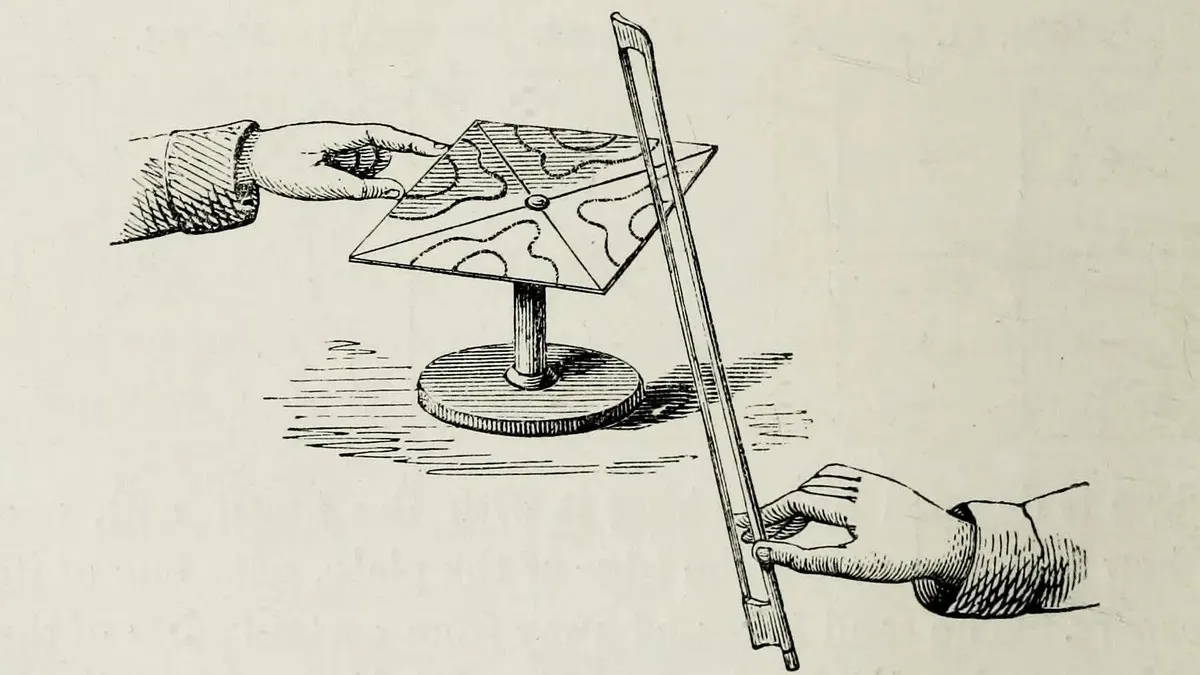
The article explores popular 19th-century science experiments with sound, highlighting Ernst Chladni's work with Chladni figures that visually demonstrate sound waves, and discusses how Victorian society engaged in hands-on acoustic experiments as both entertainment and education.
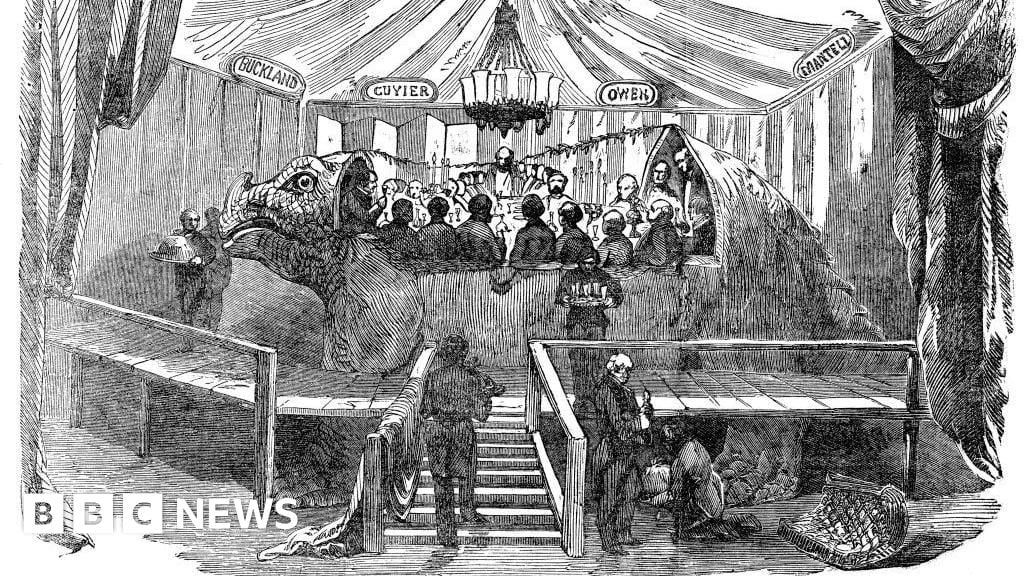
In 1853, a unique New Year's Eve event took place where 20 distinguished guests dined inside a giant model of an iguanodon at the Crystal Palace, celebrating the unveiling of Hawkins's dinosaur sculptures and promoting paleontology, with elaborate food, entertainment, and scientific toasts.
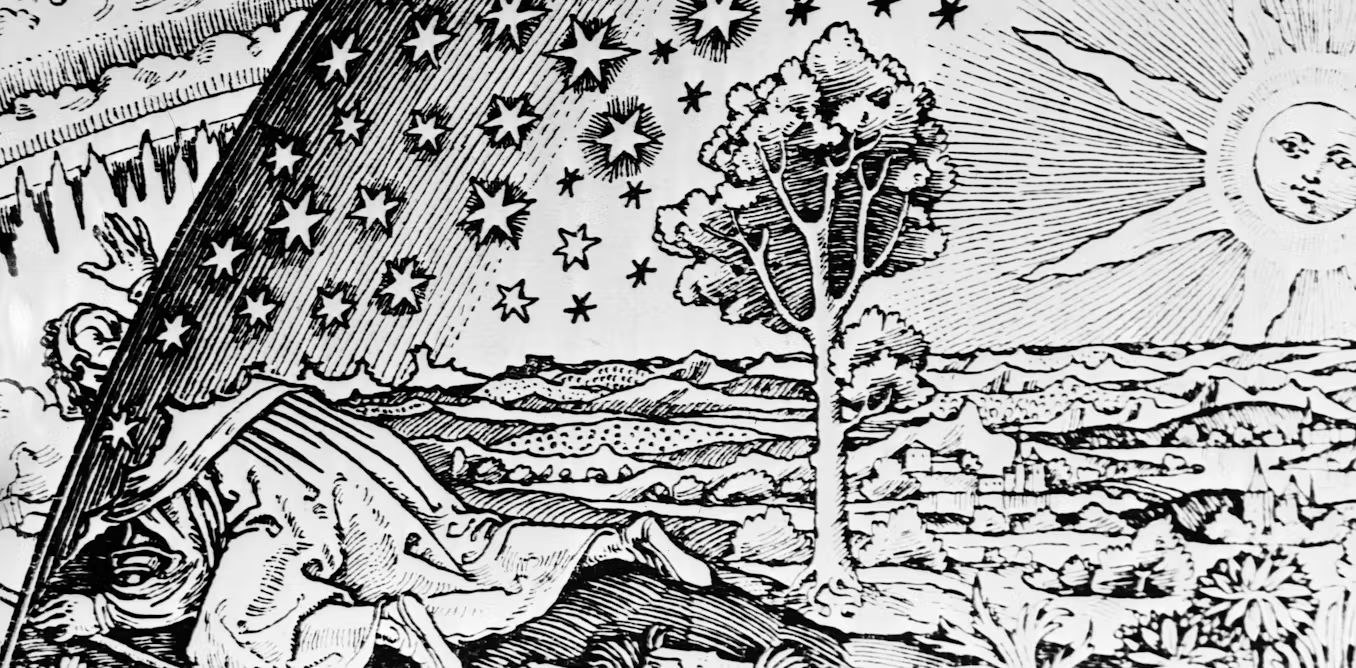
The article explores 19th-century astronomer Camille Flammarion's imaginative and scientific visions of Mars, highlighting his blend of astronomy, science fiction, and philosophical ideas about the red planet as a potentially ancient and advanced world, reflecting broader societal hopes and curiosity about extraterrestrial life.
The article explores 19th-century astronomer Camille Flammarion's imaginative and scientific work on Mars, highlighting his belief in the planet's potential for life, his detailed maps, and his science fiction novels that envisioned spiritual journeys to Mars, reflecting broader societal hopes and curiosity about the red planet.
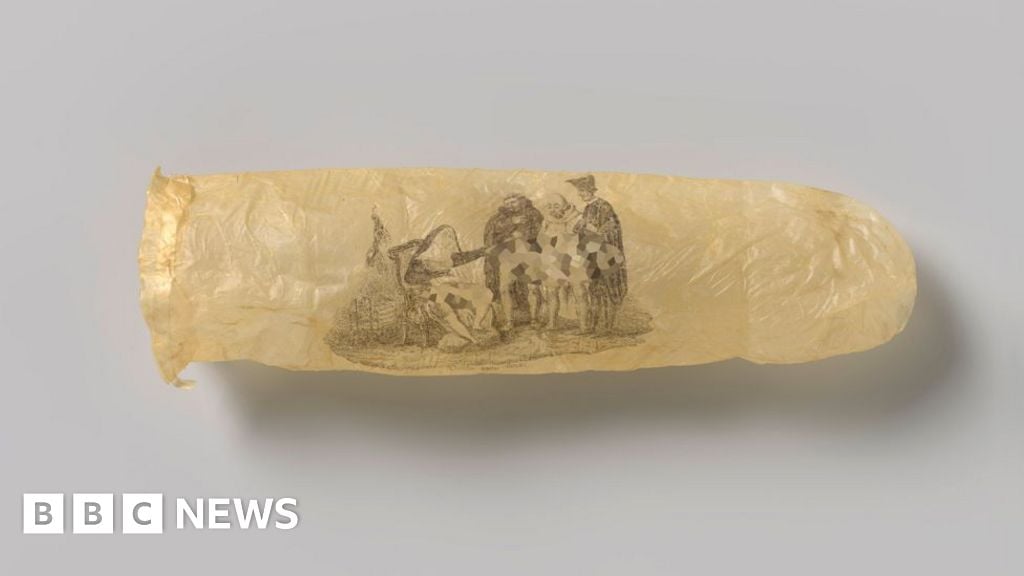
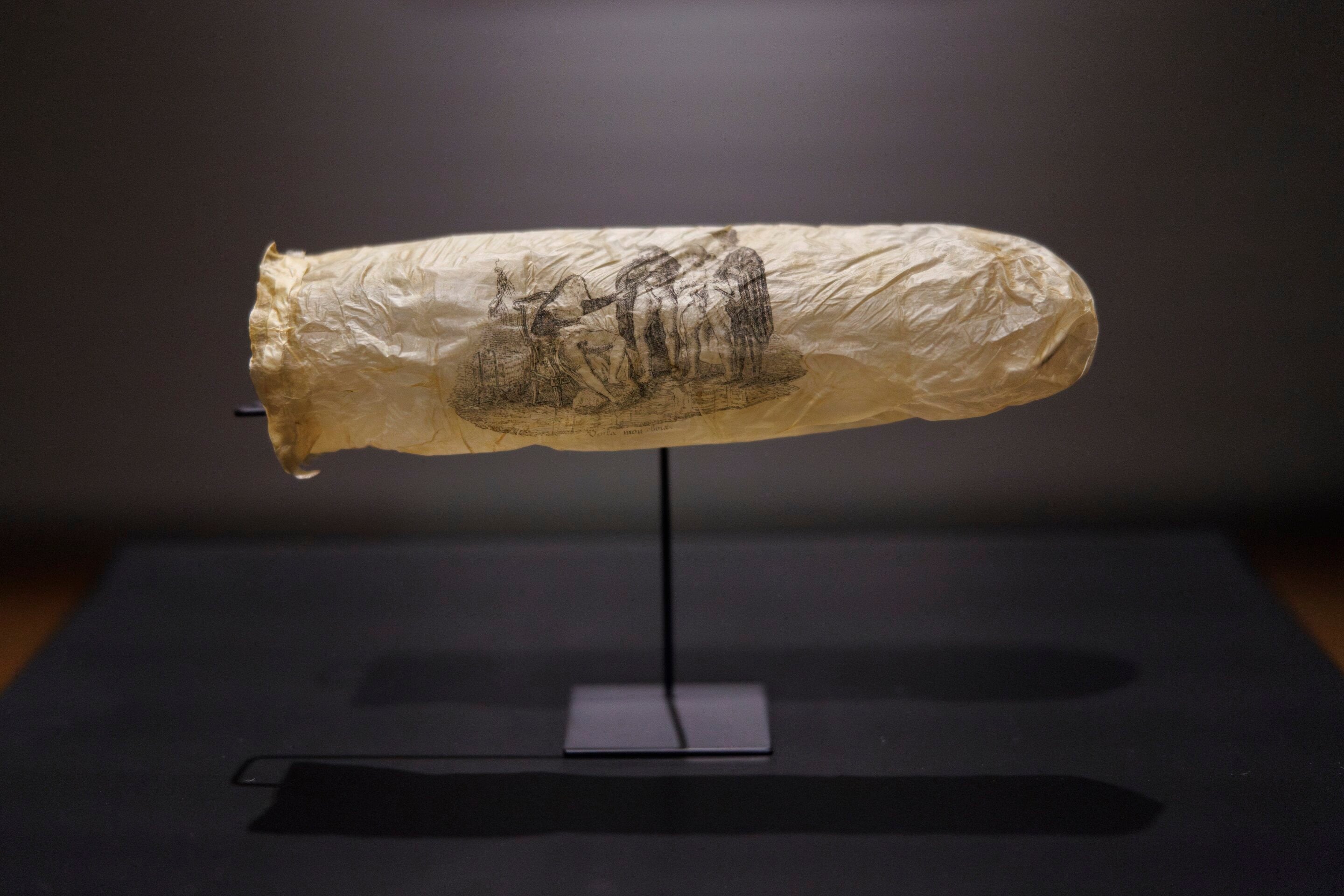
An almost 200-year-old condom made of sheep's appendix, featuring explicit print and inscriptions, is displayed at the Rijksmuseum in Amsterdam as part of an exhibition on 19th-century prostitution and sexuality, highlighting historical attitudes towards sexual health and parody.
A nearly 200-year-old condom decorated with erotic art, possibly a brothel souvenir, is on display at Amsterdam's Rijksmuseum as part of an exhibition on 19th-century sex work, highlighting the playful and serious aspects of sexual health from that era.
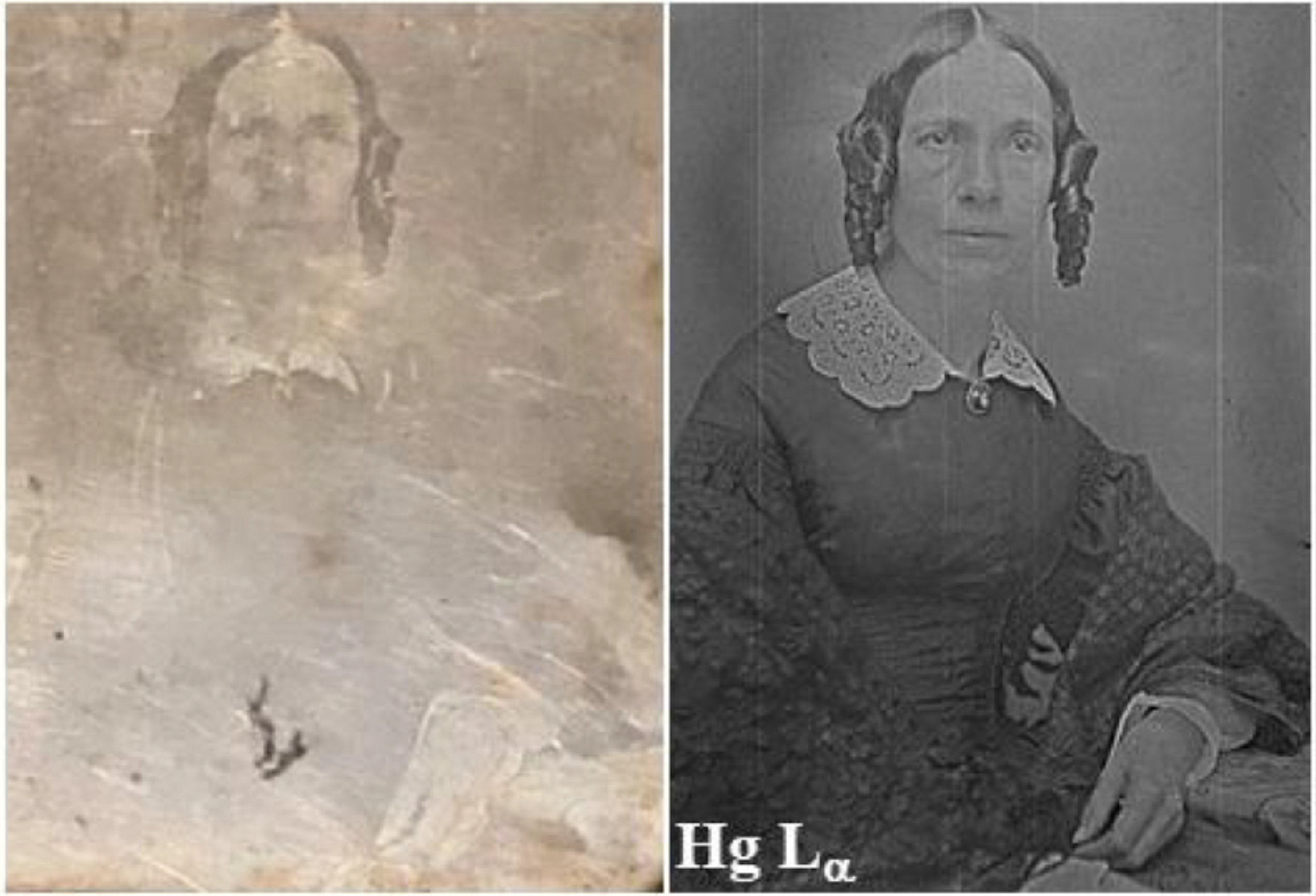
Researchers at Western University in Canada have developed a novel imaging technique using synchrotron light to retrieve images from badly tarnished 19th century daguerreotypes, a form of early photography. The process involves using narrow beams of X-ray radiation to reveal hidden details in corroded images, bringing to light portraits and historical artifacts that seemed lost forever. The technique has potential implications for scholars studying history and could also be applied to study other historic artifacts or fossils with severe surface deterioration, as well as for scientists studying corrosion on materials.
"Cabrini," a biopic directed by Alejandro Monteverde and produced by Angel Studios, tells the story of Italian nun Francesca Cabrini's mission in 19th-century Manhattan. The film, while centered on themes of perseverance and aiding the downtrodden, is criticized for its sanctimonious speeches and repetitive storytelling, with a focus on Cabrini's challenges against clergymen and politicians rather than the orphans under her care. Despite its inspiring subject matter, the film is deemed stodgy and lacking depth.
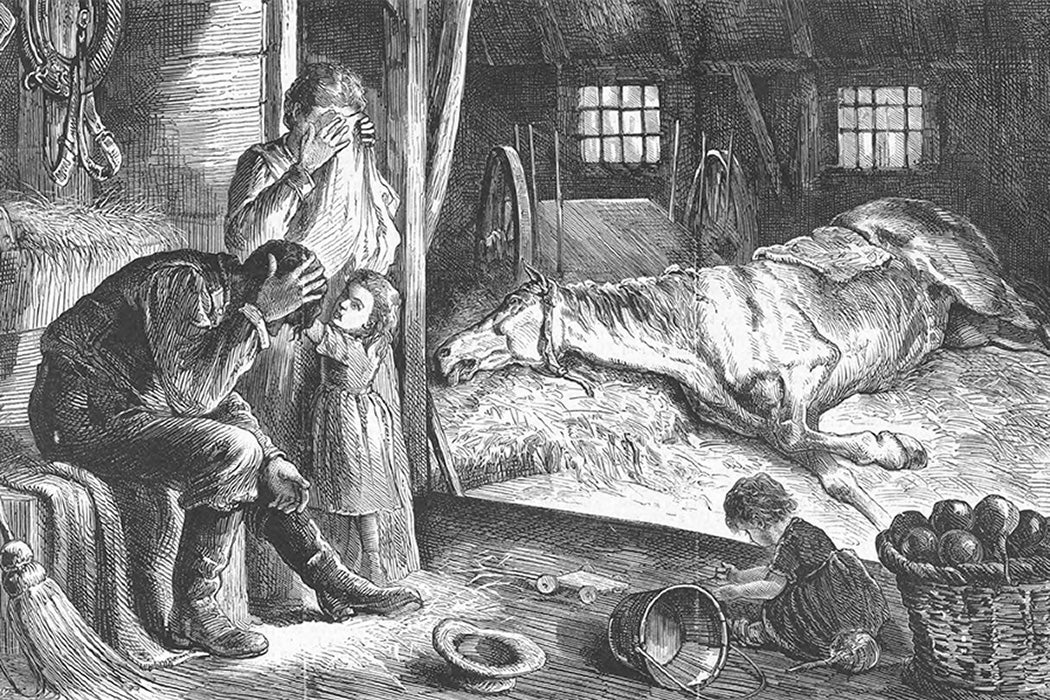
In late 1872, an epizootic, or horse flu, swept through North America, causing a significant disruption to urban life as horses fell ill and were unable to work. Cities struggled to deliver goods and transport people, with some resorting to human-powered alternatives. The epidemic, which started in Canada and spread south, affected not only working-class horses but also valuable ones, leading to debates about the replacement of horses with mechanical contrivances for urban transportation. The situation also highlighted issues of animal welfare and the treatment of working horses during the 19th century.
Food-related disasters throughout the 19th and 20th centuries, including the Great Molasses Flood, Saint Anthony's Fire, the Irish Potato Famine, tainted beer crises, the London Beer Flood, the Spanish Toxic Oil Outbreak, and the Washburn Mill Explosion.