
Wampanoag Nation Marks National Day of Mourning Amid Divergent Native Perspectives on Thanksgiving
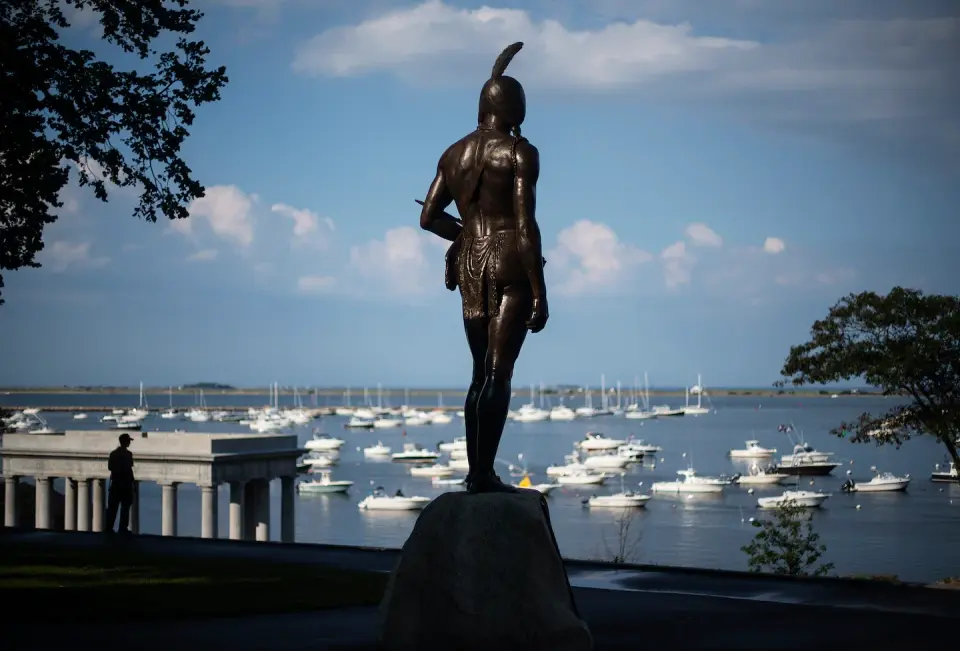
As the United States observes Thanksgiving on November 26, 2026, the United American Indians of New England (UAINE) is holding its annual National Day of Mourning on Cole's Hill in Plymouth, Massachusetts. This event, established in 1970, commemorates the displacement and suffering of Indigenous peoples following the 1621 harvest feast with Pilgrims. While some Native communities celebrate traditional harvest festivals or family gatherings, others view the holiday as a reminder of colonial violence and cultural erasure. The Wampanoag Nation, whose ancestors assisted the Pilgrims, continues to highlight the complex legacy of the 1621 event, which is often sanitized in mainstream narratives.
Key points
- The United American Indians of New England (UAINE) is observing the National Day of Mourning on Cole's Hill in Plymouth, Massachusetts, on November 26, 2026, as it has done annually since 1970.
- The Wampanoag Nation, led by Grand Sachem Massasoit (Ousamequin), assisted the Pilgrims in 1621, but many Native Americans view the holiday as a reminder of subsequent colonial violence, land theft, and disease that decimated Indigenous populations.
- Dennis Zotigh, a cultural specialist at the National Museum of the American Indian, notes that Native perspectives on Thanksgiving are diverse; some celebrate traditional harvest festivals, while others observe the Day of Mourning to acknowledge historical trauma.
- The 1621 feast, which included Massasoit and approximately 90 warriors, is often portrayed as a harmonious event, but historians note it was preceded by the Pilgrims' desperate survival tactics, including raiding Indigenous villages and graves.
- The Boston City Council recently recognized November 26 as the National Day of Mourning, while a Plymouth superior court ruling in November 2026 determined the town was not required to provide a stage or insurance for the UAINE event.
Background
The 1621 harvest feast between the Pilgrims and the Wampanoag Confederacy is the basis for the modern Thanksgiving holiday. Massasoit, the Wampanoag sachem, had signed a peace treaty with Plymouth Colony in 1621, which lasted over 50 years. However, the aftermath of this contact led to significant population declines among Native peoples due to disease, violence, and displacement. The National Day of Mourning was founded in 1970 by Wamsutta Frank James to challenge the sanitized narrative of the 1621 event. Recent developments include the Boston City Council's recognition of the day and a Plymouth court ruling regarding the logistics of the UAINE's annual gathering.
How outlets are covering it
The Washington Post emphasizes the regret of the Wampanoag Nation and the contrast between the popular Thanksgiving narrative and the Native American experience of mourning. WTOP News, citing Dennis Zotigh, highlights the diversity of Native American opinions, noting that while some celebrate harvest festivals, others observe the Day of Mourning to acknowledge historical trauma. Smithsonian Magazine provides a detailed historical account, including the role of Squanto and the subsequent Pequot War, and includes personal accounts from Native Americans about how they spend the day. People's World, through Albert Bender, frames Thanksgiving as 'Thanks for the Genocide Day' and advocates for 'Happy Maize Day' to celebrate Indigenous achievements and pre-Columbian cultures, emphasizing the need to recognize Indigenous history and contributions.
Why it matters
The National Day of Mourning serves as a counter-narrative to the mainstream Thanksgiving celebration, highlighting the ongoing impact of colonialism on Native American communities. It underscores the importance of acknowledging historical truths and the diverse ways in which Indigenous peoples engage with the holiday. The event also reflects broader discussions about cultural representation, historical accuracy, and the recognition of Indigenous sovereignty and contributions.
What to watch
The National Day of Mourning is expected to continue as an annual observance by the United American Indians of New England on Cole's Hill in Plymouth, Massachusetts. The Boston City Council's recognition of the day may influence future local and state policies regarding Indigenous history and commemoration. The ongoing debate about the representation of Thanksgiving in education and public discourse is likely to continue, with various Native American communities advocating for more accurate and inclusive narratives.
- The tribe who helped the Pilgrims survive their first Thanksgiving regretted it The Washington Post
- A look into the history behind Thanksgiving WTOP News
- A Thankful State of Being SkyHiNews.com
- How Do Native Americans Spend Thanksgiving Day? Smithsonian Magazine
- Another Thanksgiving: Are we on the eve of a turn for the better? People's World
Want the full story? Read the original reporting
Read on The Washington Post