
Army Sets Wednesday for Iowa Lead Azide Detonation Amid Legal and Health Disputes
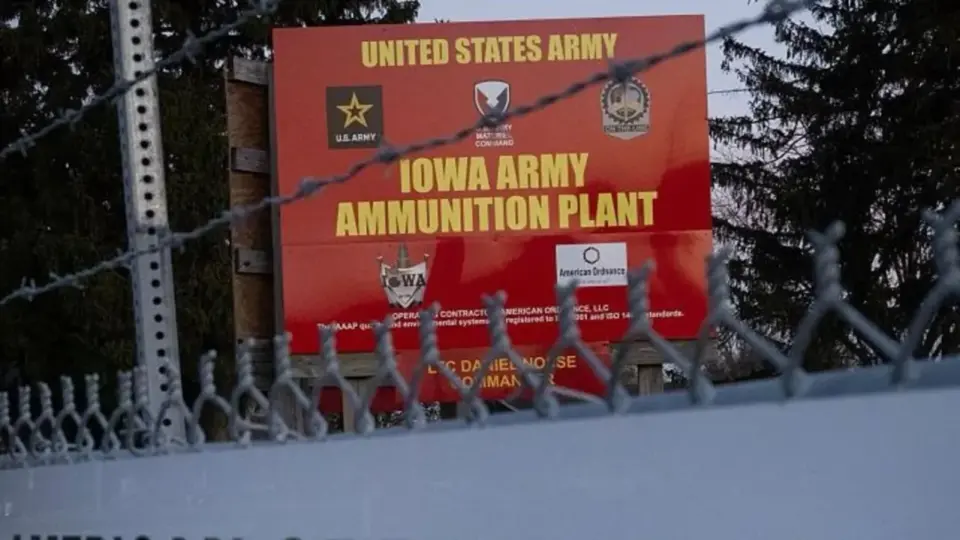
The U.S. Army has rescheduled a controlled detonation of nearly five tons of unstable lead azide at the Iowa Army Ammunition Plant in Middletown for Wednesday, November 25. This move follows a federal appeals court stay on the operation’s environmental permit and intense public outcry over potential lead exposure. The Army cites freezing temperatures as a trigger for spontaneous, uncontrolled explosions, while critics argue safer disposal methods were ignored and public notice was insufficient. Iowa Governor Kim Reynolds activated the state emergency operations center to coordinate with federal partners, and health officials are urging residents to take precautions against lead dust, which poses long-term risks to children and pregnant women.
Key points
- The detonation was originally scheduled for November 20 but was delayed to November 25 to allow for better weather and safety measures.
- A federal appeals court issued a temporary stay on the EPA’s emergency permit, but the Justice Department argues the Army can proceed under a separate emergency exemption for explosives.
- The Army claims the lead azide has recrystallized, making it vulnerable to spontaneous detonation if temperatures drop, and asserts that a controlled blast is the only safe option.
- Environmental groups, including the Iowa Environmental Council and Sierra Club, sued to block the detonation, arguing that chemical neutralization alternatives were improperly rejected and that lead dust could travel up to 100 miles.
- The Iowa Poison Control Center advises residents to stay indoors, use HEPA filters, and avoid dry sweeping for 24 to 48 hours post-detonation to minimize lead exposure.
Background
The Iowa Army Ammunition Plant, a WWII-era facility spanning 19,000 acres, has stored lead azide for decades. The material degraded over time, leading to a multi-agency review in early 2026. The Army initially considered chemical neutralization via a Georgia-based firm but canceled the contract in May, citing safety concerns. The current dispute follows a series of delays and legal challenges, with the Army previously attempting to detonate the material on November 20 and 24. The situation has drawn attention from Iowa and Illinois lawmakers, with Senator-elect Josh Turek calling for a probe into why safer disposal methods were not pursued.
How outlets are covering it
The U.S. Army and the Department of Justice emphasize the imminent risk of an uncontrolled explosion due to freezing temperatures, arguing that a controlled detonation is the only way to minimize harm. They contend that the court stay only suspends the EPA permit, not the Army’s authority to act under emergency exemptions. In contrast, environmental groups and local officials, including Iowa Governor Kim Reynolds, focus on the health risks of lead exposure and the lack of transparency. The Iowa Environmental Council argues that the Army failed to adequately consider alternatives and that residents were not given sufficient notice. The Iowa Poison Control Center provides a neutral health perspective, noting that while lead is the primary concern, brief exposure is rarely a medical emergency, and long-term risks are higher for children and pregnant women. CNN highlights the timeline of the dispute, noting the Army’s shift from chemical neutralization to detonation, while KCRG focuses on practical health guidance for residents.
Why it matters
This incident highlights the tension between federal military operations and local environmental and public health concerns. The potential release of lead dust could have long-term health impacts on nearby communities, including Middletown, Iowa, and parts of Illinois. The legal battle over the EPA permit and the Army’s use of emergency exemptions sets a precedent for how the federal government handles hazardous material disposal. Additionally, the case underscores the importance of transparent communication and thorough environmental impact assessments in military operations, particularly when they affect civilian populations.
What to watch
The Army is expected to proceed with the detonation on Wednesday, November 25, subject to weather conditions. Environmental testing will be conducted before, during, and after the blast to monitor lead levels. The federal appeals court will continue to review the stay on the EPA permit, and the Justice Department may face further legal challenges from environmental groups. Residents are advised to follow health guidance from the Iowa Poison Control Center, including staying indoors and avoiding dry sweeping. The Army and state officials are expected to provide updates on the operation and any health advisories as environmental results become available.
- Army detonation of lead azide moved to Wednesday in Iowa The Hill
- Army update on Iowa Army Ammunition Plant Army.mil
- The Army plans to blow up 5 tons of toxic lead in Iowa despite outcry and legal challenges. Here’s how we got here CNN
- Army reschedules southeast Iowa lead azide blasts for Wednesday Iowa Public Radio
- Iowa Poison Control Center shares guidance ahead of lead azide detonation KCRG
Want the full story? Read the original reporting
Read on The Hill