
Mestersvig: The Frozen Frontier of New US Arctic Strategy
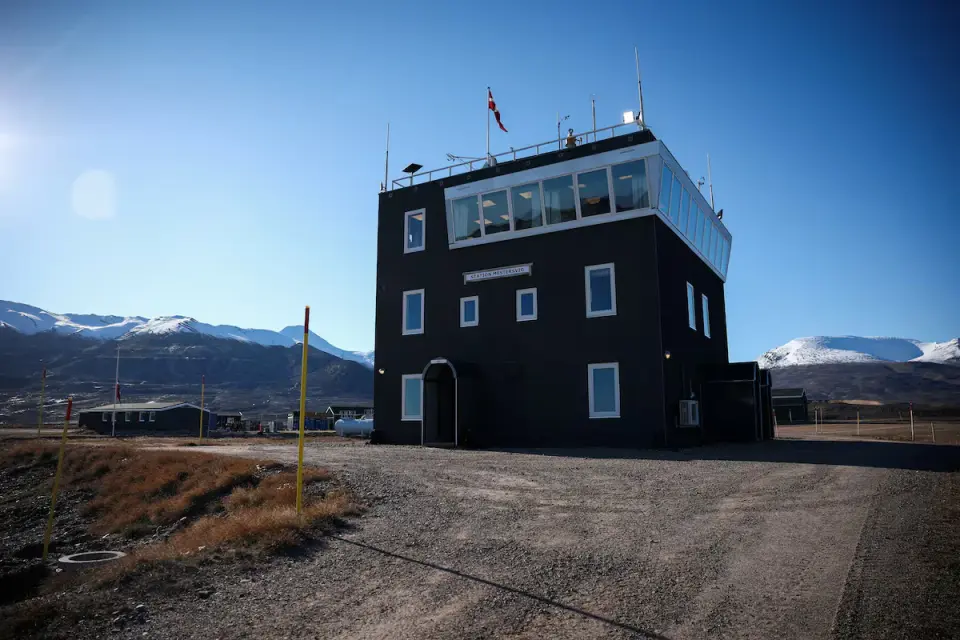
Under a new trilateral defense pact signed in September 2026, the United States is poised to transform the remote Danish outpost of Mestersvig in eastern Greenland into a key military foothold. This expansion, part of a broader agreement to bolster Arctic security and counter non-NATO influence, marks the first significant US military growth on the island in decades. The site, currently maintained by a small Danish detachment, sits at a critical strategic chokepoint known as the GIUK gap, which controls Russian naval access to the Atlantic. While the deal preserves Danish sovereignty, it introduces new US infrastructure in an extreme environment, raising questions about logistics, local impact, and the future of Arctic resource extraction.
Key points
- The US is authorized to establish a new base at Mestersvig, a remote outpost in eastern Greenland, under a defense agreement signed on September 22, 2026.
- Mestersvig is located 149 miles from the nearest settlement and faces extreme conditions, including average winter temperatures of 14 degrees Fahrenheit and up to 5 meters of snowfall annually.
- The outpost oversees the GIUK gap, a strategic chokepoint between Greenland, Iceland, and Britain that is critical for containing Russian Northern Fleet movements into the Atlantic.
- The new agreement replaces a 1951 accord and allows US expansion at both Mestersvig and Narsarsuaq, alongside modernization of the existing Pituffik Space Base.
- The pact includes provisions to block non-NATO nations from establishing military or economic influence in Greenland, aiming to counter Russian and Chinese interests.
- Local support for the deal is mixed; while some officials welcome the investment, the US has not yet disclosed specific plans for the base's development or operations.
Background
This development follows months of diplomatic tension regarding US President Donald Trump’s earlier threats to acquire Greenland. The September 2026 agreement, signed at the United Nations General Assembly, resolves these tensions by granting expanded military access while affirming Danish sovereignty. It replaces a decades-old 1951 accord and introduces a veto mechanism to prevent non-NATO bases or risky investments in sensitive sectors. The deal was welcomed by NATO as a means to deter adversaries and regulate sensitive investments in the Arctic, though it requires parliamentary approval in Denmark and Greenland and leaves technical details for future negotiation.
Why it matters
The expansion of US military presence in Greenland signals a shift in Arctic strategy, prioritizing control of critical chokepoints like the GIUK gap to counter Russian naval power. The deal also highlights the intersection of military and economic interests, as nearby projects for molybdenum mining and oil drilling could benefit from improved infrastructure. However, the extreme logistical challenges of Mestersvig and the lack of public detail on US plans raise questions about the feasibility and long-term impact of this expansion on the local environment and community.
What to watch
The US is expected to begin planning for the construction and operation of the new base at Mestersvig, though no public timeline has been released. The agreement requires parliamentary approval in Denmark and Greenland, which could face scrutiny regarding sovereignty and environmental impacts. Additionally, the Texas oil company planning to drill near Mestersvig is awaiting a permit, and the outcome of this process may be influenced by the new military infrastructure. Future negotiations will likely focus on technical details of the base's development and the integration of US and Danish military operations in the Arctic.
Want the full story? Read the original reporting
Read on defensenews.com