
Iran Claims Capture of U.S. Anduril Dive-LD Drone in Hormuz Amidst Escalating Gulf Conflict
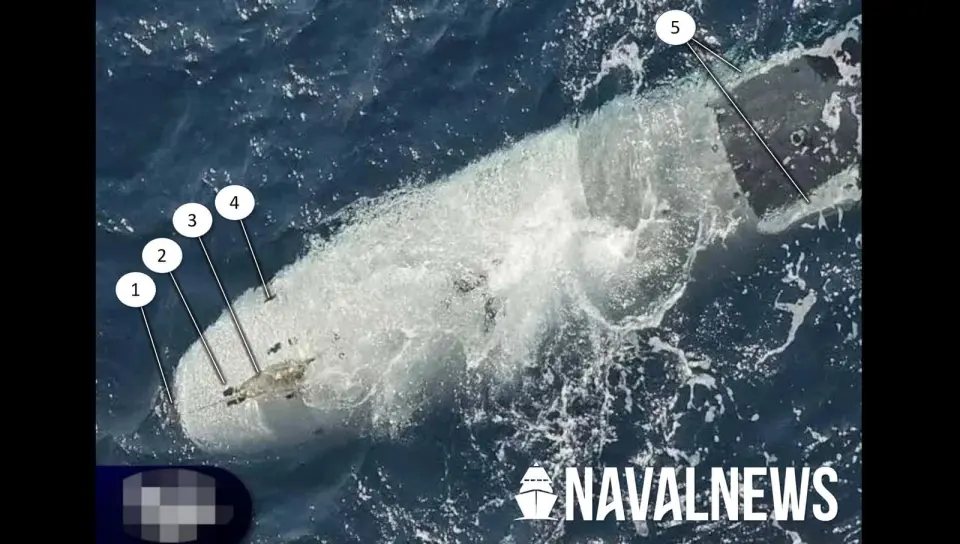
Iran’s Islamic Revolutionary Guard Corps (IRGC) claims to have captured a U.S. Anduril Dive-LD autonomous underwater vehicle in the Strait of Hormuz. The drone, a 5.8-meter long endurance system used by the U.S. Navy for intelligence and mine-hunting, was photographed by Iranian sources. This incident occurs amid renewed military hostilities between the U.S. and Iran, including strikes on oil tankers and threats to target U.S. energy assets in the Gulf.
Key points
- The IRGC claims to have captured an Anduril Dive-LD autonomous underwater vehicle in the Strait of Hormuz, with photographs matching the U.S. Navy’s design.
- The Dive-LD is a 5.8-meter long, 3-ton vehicle used by U.S. Navy units for intelligence, surveillance, reconnaissance, and mine countermeasures.
- The capture occurred during a period of heightened tensions, with the U.S. striking Iranian oil tankers and Iran threatening to target U.S. energy assets in the Gulf.
- Iran has proposed a maritime exclusion zone in the Persian Gulf and Gulf of Oman, while the U.S. maintains a naval blockade of Iranian ports.
- Oil prices have risen to near $100 per barrel, and commercial traffic through the Strait of Hormuz has dropped significantly, with only 12 ships crossing on Monday compared to the usual 138.
Background
The capture of the Dive-LD drone occurs in the context of a broader conflict between the U.S. and Iran, which began in February 2026. The conflict has led to a naval blockade of Iranian ports and a significant reduction in commercial traffic through the Strait of Hormuz. The U.S. and Iran had signed a Memorandum of Understanding in June 2026 to reopen the Strait and engage in technical talks, but the truce collapsed after a commercial vessel was struck in late June. The current escalation includes strikes on oil tankers and threats to target U.S. energy assets, with oil prices rising to near $100 per barrel.
How outlets are covering it
Naval News focuses on the technical identification of the captured drone, noting that the photograph matches the Anduril Dive-LD model, including specific details like flood holes and a transparent mast. Time Magazine, on the other hand, emphasizes the broader geopolitical and economic implications of the conflict, highlighting Iran’s threats to target U.S. energy assets and the U.S. response to strikes on Iranian oil tankers. While Naval News provides a detailed analysis of the drone’s capabilities, Time Magazine offers a broader perspective on the conflict’s impact on global oil markets and diplomatic efforts.
Why it matters
The capture of the Dive-LD drone by Iran could significantly enhance Iran’s underwater drone capabilities, potentially allowing it to develop more sophisticated systems or share technology with allies like Russia or China. The incident also underscores the escalating tensions between the U.S. and Iran, which could lead to further military confrontations and disruptions to global oil supplies. The reduction in commercial traffic through the Strait of Hormuz and the rise in oil prices highlight the economic impact of the conflict, which could have far-reaching consequences for global energy markets.
What to watch
The U.S. and Iran are likely to continue their exchange of attacks, with the U.S. maintaining its naval blockade and Iran potentially expanding its maritime exclusion zone. Diplomatic efforts to resolve the conflict remain stalled, with the U.S. seeking to restrict Iran’s nuclear program and Iran demanding sanctions relief and a role in managing the Strait of Hormuz. The situation could lead to further escalations, including potential strikes on U.S. energy assets in the Gulf, and could have significant implications for global oil markets and regional stability.
- Underwater Drone Captured By Iran Matches American Anduril Model navalnews.com
- Iran unveils new missile, announces exclusion zone in the Gulf NewsNation
- Iran Threatens to Target U.S. Energy Assets in Gulf If U.S. Strikes Again Time Magazine
- Iran Guards say seized unmanned US submarine drone in Hormuz Arab News
- Iran attacks US ship in Strait of Hormuz The Hill
Want the full story? Read the original reporting
Read on navalnews.com