
US Depletes 80% of THAAD Interceptors, Halting Iran Strikes Amid Stockpile Crisis
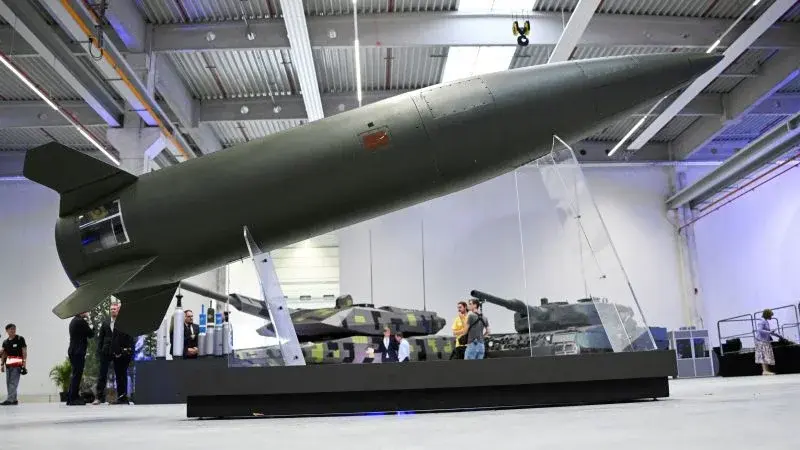
The US military has exhausted nearly 80% of its Terminal High Altitude Area Defense (THAAD) interceptors and roughly half of its Patriot missiles during the ongoing conflict with Iran. Senior commanders have warned that stockpiles are 'dangerously low,' prompting President Trump to cancel planned weekend strikes after Gulf allies expressed fear of Iranian retaliation. While the Pentagon asserts the military remains fully capable, analysts note that replenishing these high-end weapons will take years, raising concerns about readiness for future conflicts with China or Russia.
Key points
- US inventory of THAAD interceptors has dropped by nearly 80% compared to pre-war levels, while Patriot interceptors have fallen by approximately 50%.
- The US Army has used 'virtually all' of its long-range precision missiles, including Army Tactical Missile Systems (ATACMS) and Precision Strike Missiles (PrSM).
- President Trump cancelled planned massive strikes on Iran last weekend after Gulf allies warned that US munitions shortages could leave them vulnerable to Iranian retaliation against their energy infrastructure.
- Replenishing THAAD stocks to pre-war levels is estimated to take three or more years, while PrSM and Joint Air-to-Surface Standoff Missile inventories may recover by mid-to-late 2027.
- The Department of Defense has accelerated production, including new deals for Patriot and THAAD rocket motors, but current delivery rates remain low at roughly 15 Tomahawks and 20 Patriots per month.
Background
This crisis follows a five-month war with Iran that began in February 2026, known as Operation Epic Fury. Earlier reports indicated that the US had already used nearly 30% of its Tomahawk missiles in the conflict's early stages. The current depletion exacerbates long-standing concerns about the US defense industrial base, which was restructured for peacetime efficiency after the Cold War, leaving limited surge capacity. Additionally, the US has faced simultaneous demands from Ukraine, where Patriot interceptors have been critical for air defense, though CSIS notes that most transfers to Ukraine did not significantly reduce US inventories for the Iran war.
How outlets are covering it
CNN and Reuters emphasize the acute nature of the shortage, highlighting that the depletion of long-range missiles and interceptors directly influenced the decision to halt strikes. They note that military commanders have repeatedly warned the White House about the 'dangerously low' status of stockpiles. In contrast, the White House and Pentagon officials, including Secretary Pete Hegseth and spokesperson Sean Parnell, assert that the US military possesses 'more than enough' munitions and that production is at record levels. The Atlantic highlights the economic asymmetry of the conflict, noting that the US is using millions of dollars worth of advanced interceptors to shoot down Iranian drones that cost only $30,000 to assemble. CSIS provides a broader structural analysis, arguing that the shortage is not solely due to the Iran war but also stems from decades of reduced procurement, the post-Cold War strategy shift, and the industrial base’s lack of surge capacity. CSIS also clarifies that while Ukraine received weapons, the primary driver of the current deficit is the high consumption rate in the Middle East.
Why it matters
The depletion of key missile defense systems threatens the US ability to deter adversaries like China and Russia in the Pacific. If the US cannot replenish these stocks quickly, it faces a window of vulnerability in a potential future conflict. Furthermore, the shortage has forced the US to rely on riskier piloted bombing missions or cheaper, less effective alternatives, potentially compromising the safety of its personnel and the effectiveness of its defense posture for Gulf allies.
What to watch
The Pentagon is accelerating production through new contracts, but analysts warn that full replenishment will take years. The US may need to rely on cheaper alternatives like Joint Direct Attack Munitions (JDAM) for some strikes, though these require aircraft to overfly enemy territory. Trump has not ruled out future strikes on Iran, but the timing will depend on the replenishment of critical interceptors and the outcome of ongoing negotiations with Tehran.
- US military has used up nearly 80% of key missile interceptors as commanders warn stockpiles ‘dangerously low,’ sources say CNN
- U.S. has used virtually all long-range precision missiles during Iran war, sources say Honolulu Star-Advertiser
- Why Is the U.S. Running So Low on Weapons? The Atlantic
- Six Reasons Why the United States Is Low on Munitions CSIS | Center for Strategic and International Studies
- Fresh Panic as Pentagon Depletes Missile Stockpile in Iran War The New Republic
Want the full story? Read the original reporting
Read on CNN