
Pentagon Orders 21-Day Production Plan as Missile Shortages Threaten Iran War
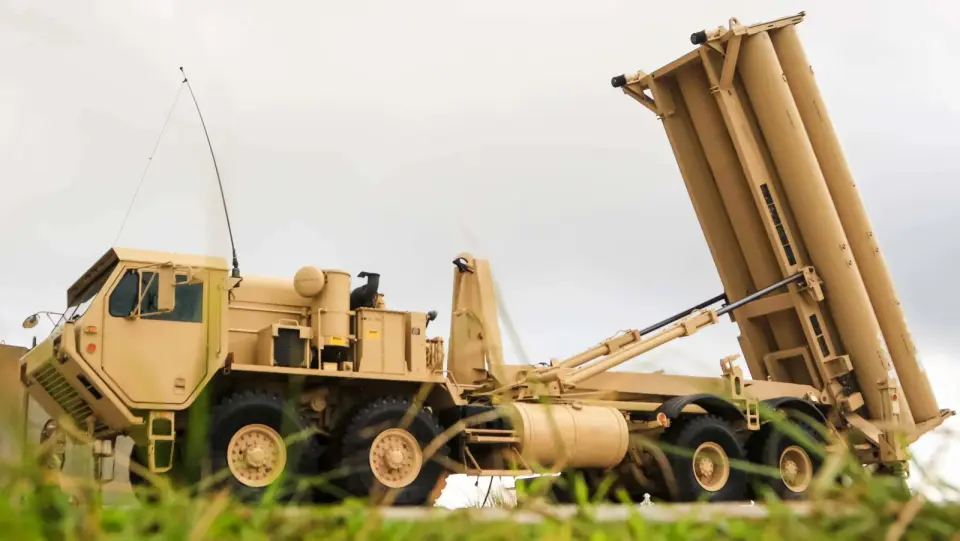
The Pentagon has mandated that defense contractors submit plans within 21 days to accelerate weapons production, citing severe munitions depletion from the five-month war with Iran. While officials deny shortages, analysts warn that critical interceptors are nearly exhausted, creating a strategic vulnerability that could last until 2030.
Key points
- Deputy Defense Secretary Steve Feinberg issued an Aug. 5 memo demanding faster delivery schedules and expanded production capacity for critical capabilities.
- The Center for Strategic and International Studies estimates the U.S. has used roughly 65% of its Patriot interceptors and half of its Tomahawk missiles since the conflict began.
- Refilling pre-war stockpiles is projected to take until mid-2029 for most systems and 2030-2031 for Tomahawks due to manufacturing constraints.
- President Trump canceled planned strikes on Iran after Gulf allies warned that U.S. missile shortages would leave them vulnerable to Iranian retaliation.
- Defense Secretary Pete Hegseth and President Trump clashed at Camp David over the extent of the munitions depletion and the accuracy of prior intelligence.
Background
This development follows months of escalating tensions, including a July 2026 assessment that the conflict has cost taxpayers approximately $130 billion. Earlier in August, the Pentagon paused cybersecurity certification reviews to protect the defense industrial base, highlighting the strain on contractor capacity. The current production mandate is part of a broader effort to address what officials describe as a 'broken' acquisition system.
How outlets are covering it
Outlets disagree on the severity of the shortage. The Washington Post and CNN report that senior military commanders, including Joint Chiefs Chairman Dan Caine, warned that stockpiles are 'dangerously low' and that the U.S. has used nearly 80% of its THAAD interceptors. Conversely, Pentagon spokesman Sean Parnell and White House spokesperson Anna Kelly dismissed these claims as 'false,' asserting the military has a 'virtual unlimited supply' and 'more than enough munitions' to meet strategic goals. While the White House emphasizes production expansion, the Washington Post notes that Trump’s frustration led to a direct confrontation with Hegseth over the accuracy of these assessments.
Why it matters
The depletion of long-range precision missiles and interceptors creates a 'window of vulnerability' for the U.S. in potential future conflicts with China or Russia. Allies in the Gulf and Europe, including Ukraine, Japan, and Taiwan, rely on these U.S.-made systems; shortages could hinder their ability to defend against Iranian or Russian attacks. The multi-year timeline for replenishment suggests a significant long-term reduction in U.S. strategic flexibility.
What to watch
Defense contractors have until late August to submit their production acceleration plans. The Pentagon is monitoring two new deals for Patriot and THAAD rocket motor manufacturing, though officials have not specified when these expansions will yield results. Trump has not ruled out future strikes on Iran, but the current pause suggests a temporary shift in strategy pending the replenishment of critical munitions.
- Pentagon seeks plans to accelerate weapons production USA Today
- The U.S. Is Burning Through Weapons in Iran. Russia and China Are Taking Note. The New York Times
- Trump, Hegseth clashed at Camp David over Iran missile depletion concerns washingtonpost.com
- EXCLUSIVE: US has used 'virtually all' of its long-range precision missiles during Iran war, sources say Reuters
- Nearly 80% of interceptors for a key missile defense system depleted, sources say CNN
Want the full story? Read the original reporting
Read on USA Today