
Spokane Complex fires leave 833 structures damaged as state opens emergency aid
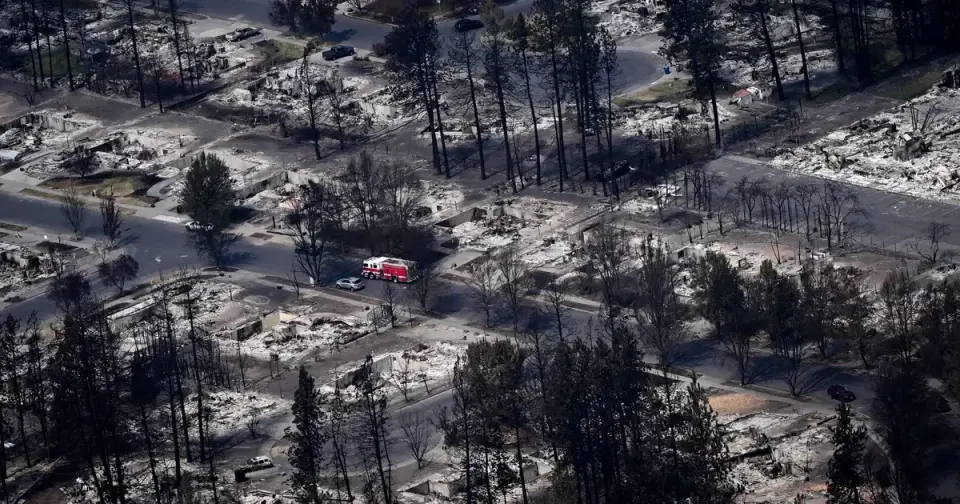
The Spokane Complex fires, which began on Aug. 1, 2026, have destroyed or damaged 833 structures across three distinct blazes. More than 65,000 residents were evacuated for over a week. The Old Trails fire caused the most damage, destroying 615 structures, while the Autumn Lane and Fairview fires accounted for 160 and 58, respectively. In response, Washington State has opened a $1.5 million fund for household needs, offering grants between $750 and $2,250 for immediate expenses like temporary housing and food. The aid is part of a broader $2.5 million emergency proclamation by Governor Ferguson, covering multiple fires across central and eastern Washington.
Key points
- The Old Trails, Autumn Lane, and Fairview fires, collectively known as the Spokane Complex fires, began on Aug. 1, 2026, and burned through northwest Spokane and surrounding rural areas.
- A total of 833 structures were lost or damaged: 615 from the Old Trails fire, 160 from the Autumn Lane fire, and 58 from the Fairview fire.
- More than 65,000 people were evacuated and remained displaced for over a week, leaving behind personal items and medications.
- The Autumn Lane fire burned 5,700 acres, including Lookout Mountain, and jumped the Spokane River via wind-blown embers to reach Suncrest.
- The Old Trails fire burned over 3,100 acres, with a significant portion of the damage occurring in the Indian Trails neighborhood and Westgate Park area.
- The Fairview fire affected agricultural lands near Mead, with farmers creating fire breaks using tractors and disc harrows to protect remaining homes.
Background
This event is part of a historic wildfire season in the Pacific Northwest, where approximately 2.9 million acres have burned across Washington and Oregon, with 95 large wildfires active. The region is experiencing the effects of a very strong El Niño, which is prolonging heat and drought into autumn. Earlier reports from August 7 noted that the Old Trails fire alone had destroyed hundreds of homes in the Balboa neighborhood, with roughly 900 structures burned and 67,000 residents evacuated. A suspect was arrested for allegedly starting the Old Trails fire. The current situation reflects the ongoing strain on firefighting resources and the severe impact of climate-driven weather patterns on the region.
How outlets are covering it
The Spokesman-Review emphasizes the sheer scale and visual devastation of the fires, highlighting the struggles of firefighters and elected leaders to comprehend the damage, and noting the critical role of aerial firefighting and flame retardant in preventing the fires from merging. KOMO focuses on the immediate financial relief efforts, detailing the specific criteria and amounts for state emergency grants, and listing the 13 fires covered by the aid program. ABC News, while its content was largely obscured by technical code, indicated a community focus on thanking firefighters, suggesting a narrative of gratitude and community resilience alongside the disaster response. The outlets differ in emphasis: Spokesman-Review on the physical and operational aftermath, KOMO on the policy and financial response, and ABC News on the human and community response.
Why it matters
The Spokane Complex fires represent one of the most significant natural disasters in the region's history, with unprecedented damage to both urban and rural areas. The response highlights the strain on local and state resources, the critical role of aerial firefighting, and the need for immediate financial assistance for displaced residents. The event underscores the growing threat of wildfires in the Pacific Northwest, driven by climate change and El Niño conditions, and the importance of community resilience and state-level emergency response.
What to watch
Residents can now apply for Household Needs Grants online, with the state having $1.5 million available for immediate needs. The grants are part of a broader $2.5 million emergency fund, and applications are open for those in eligible counties and tribal nations. Firefighters and emergency services will continue to work on the aftermath, including cleanup and recovery efforts. The state may provide additional aid as the full extent of the damage is assessed, and the region will remain on high alert for further fire activity due to ongoing dry conditions and El Niño effects.
- The aftermath of a firestorm firefighters, elected leaders and wildfire experts struggled to comprehend spokesman.com
- Video Community comes together to thank firefighters after Washington state wildfires ABC News - Breaking News, Latest News and Videos
- Ashes where homes once stood: Drone footage captures Spokane wildfire devastation Reuters
- How the Spokane Complex Fires could impact the rental and real estate market krem.com
- Washington offers emergency grants to residents impacted by wildfires KOMO
Want the full story? Read the original reporting
Read on spokesman.com