Venezuela Grapples Loss as Earthquake Rescue Wraps Up
After a deadly earthquake, Venezuela’s rescue effort winds down, leaving families to salvage the dead and cope with widespread destruction amid limited aid and uncertain casualty figures.
All articles tagged with #disaster response

After a deadly earthquake, Venezuela’s rescue effort winds down, leaving families to salvage the dead and cope with widespread destruction amid limited aid and uncertain casualty figures.

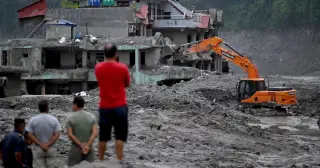
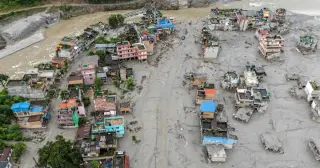
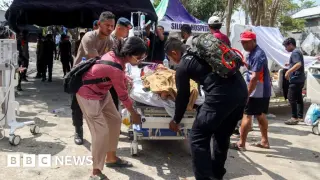
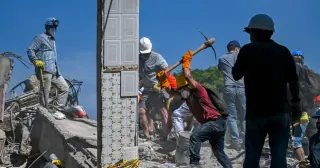
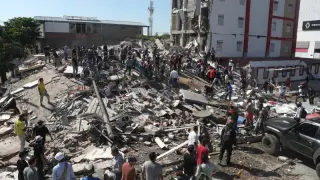
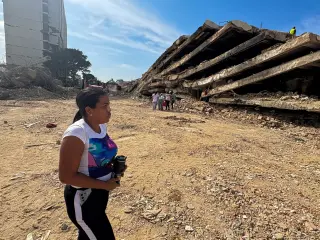
One week after twin earthquakes hit Venezuela, the death toll has risen to about 1,943 with more than 10,000 injured and tens of thousands unaccounted for, while satellite data estimate roughly 58,900 buildings damaged and up to 6.8 million people affected. Hospitals are overwhelmed and rescue efforts face delays; civilians search rubble as aid from the U.S., EU, UK and others begins arriving amid criticism of the government's response, and authorities pledge camps and rebuilding while the UN warns of disease risk.

Researchers built a 3D-printed diving suit for Madagascar hissing cockroaches that delivers oxygen to their spiracles, allowing cyborg bugs to breathe and swim underwater for up to three hours in flooded tests, with potential uses in disaster-response and future space missions.

Twin earthquakes in Venezuela spur a large U.S. disaster-response effort—a $150 million package and a 250‑person DART deployment—seen as a test of Washington’s retooled aid policy that places disaster relief under the State Department after USAID cuts, with the first 72 hours crucial for survivors and analysts watching how the operation blends humanitarian relief with geopolitical aims surrounding Maduro.
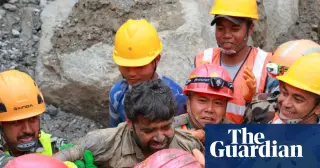
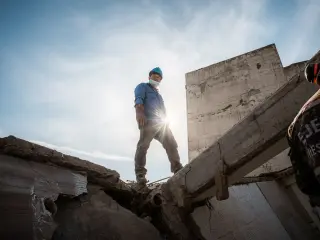
Two powerful earthquakes (7.2 and 7.5) devastated Venezuela’s La Guaira region, killing at least 1,430 and leaving roughly 68,900 listed as missing as rescue efforts intensify. Residents and rescuers, joined by international teams, search through collapsed buildings amid growing frustration with the government’s response, restricted access, and a heavy security presence. Aid from Mexico, the U.S., Brazil, El Salvador, France and others has begun arriving, while a U.S. Navy ship stands by to help airlift survivors, illustrating a race against time to save those trapped in the rubble.

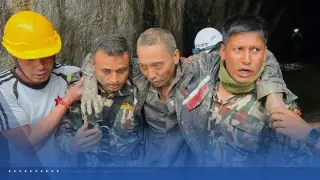
Two major earthquakes devastated Venezuela, with La Guaira hardest hit; the death toll has risen to at least 920 and thousands injured as international rescue teams—alongside civilians and Red Cross—fight blocked roads and aftershocks to reach survivors, with drones, rescue dogs and dramatic rescues highlighting a massive relief effort led by the UN and aid groups.

Two powerful earthquakes struck Venezuela along the Caribbean coast, causing widespread destruction in La Guaira and Caracas and prompting urgent rescue efforts as authorities declared a state of emergency. Officials said about 235 people were dead and around 4,300 injured. Roughly 1,000 emergency responders from 25 teams arrived or were en route from around the world, with aid pledged by Spain, Chile, Germany, Turkey, China and others. Venezuela’s government also announced a $200 million reconstruction fund and urged with businesses to provide heavy equipment to accelerate search-and-rescue operations.

A pair of powerful earthquakes struck Venezuela within a minute of each other, including a magnitude-7.5 tremor near Yumare, killing at least 188 people in Caracas and injuring about 1,520, with roughly 157 missing and thousands affected; authorities declared a state of emergency, Caracas’ airport closed, and international aid pledged as rescue efforts continue amid aftershocks.

Two powerful earthquakes hit Venezuela’s capital Caracas in quick succession – a magnitude 7.5 mainshock and a 7.2 foreshock near Morón on the Caribbean coast – triggering collapsed buildings, damage to Maiquetía airport, and widespread panic. Rescue workers searched for victims while officials warned of potential aftershocks and urged people to stay outdoors as the death toll remained unknown.

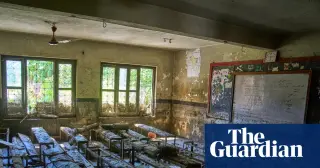
A 7.8-magnitude earthquake off Mindanao triggered a tsunami warning and left at least 55 people dead, 1,120 injured, and more than 45,000 displaced in the southern Philippines. Rescue teams pulled survivors from rubble in General Santos, while a landslide in Glan killed 18 and at least 13 more died in General Santos as buildings collapsed. More than 19,000 homes and 19 major commercial buildings were damaged, and about 10 schools were damaged with 6,000 closed for safety checks. Authorities are distributing food and water, with mental-health support from the Red Cross, amid weather risks from El Niño and the southwest monsoon that could complicate recovery and affect agriculture and livelihoods.

A magnitude-7.8 earthquake off Mindanao caused significant damage in the southern Philippines and activated disaster-response measures as tsunami alerts were issued across parts of Asia, with warnings of up to 3 meters in the Philippines and up to 1 meter in Indonesia and Malaysia. Philippine authorities closed schools in Mindanao and urged coastal residents to evacuate to higher ground, while boats were secured or kept offshore. U.S. agencies later indicated no threat to the U.S. coast, and officials advised continued vigilance as crews assess damage.

An offshore magnitude-7 quake near General Santos City off Mindanao prompted tsunami warnings across the Philippines, Japan and Indonesia, with authorities evacuating coastal areas, suspending classes and mobilizing disaster-response agencies as they monitor aftershocks.

The Atlantic hurricane season is underway and FEMA is operating with staffing shortages, raising concerns about the agency’s ability to coordinate evacuations, relief, and recovery efforts across state and local partners as powerful storms threaten affected communities.

A Trump-appointed council proposes transforming FEMA into a locally executed, federally supported agency with a lump-sum disaster funding model, higher thresholds for federal declarations, reduced federal environmental reviews, and a larger private-sector role in flood insurance, aiming for efficiency and accountability but drawing criticism for potentially weakening disaster preparedness as climate-driven disasters rise and local capacities remain uneven; many recommendations require new legislation.
The 76-day DHS shutdown worsened readiness by stalling FEMA disaster preparation, delaying TSA screening, and prompting staff departures; with funding restored, officials warn it will take roughly six months to catch up across agencies like TSA and FEMA as hurricane season and summer travel loom, while Congress weighs further border-enforcement funding.