
Hurricane Marie Remnants Trigger Mandatory Evacuations and Structural Damage on Long Beach Peninsula
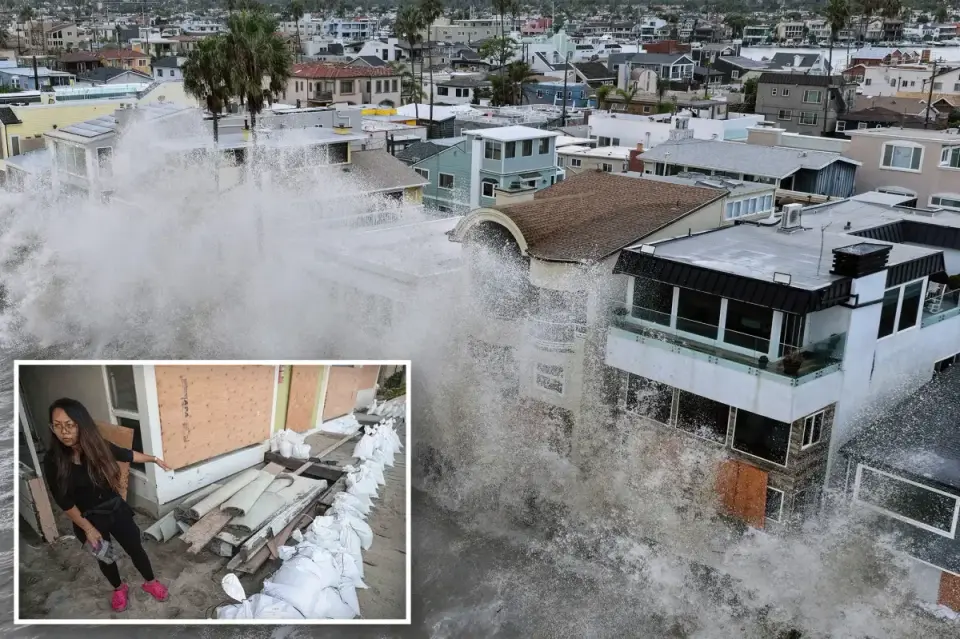
Remnants of Hurricane Marie, combined with record ocean heat and an emerging El Niño, generated 12-foot waves that breached the seawall on the Long Beach Peninsula. The surge flooded approximately 20 homes between 63rd and 67th Place, destroying vehicles and cracking concrete foundations. Mandatory evacuations were issued as building inspectors assessed structural integrity, while residents reported that previous sand berms failed within minutes of the high-tide impact.
Key points
- Mandatory evacuations were issued for roughly 20 beachfront homes along the Seaside Walk boardwalk between 63rd and 67th Place.
- Waves reached heights of up to 12 feet, breaching the seawall and sending water and debris into residential garages and porches.
- Residents reported significant property loss, including the destruction of vehicles valued at $60,000 in one household alone.
- Building inspectors were dispatched to assess cracked concrete slabs and eroding sand levels beneath home foundations.
- The event was driven by a combination of Hurricane Marie remnants, extreme high tides, and a strong El Niño pattern.
Background
This incident follows a pattern of increasing coastal vulnerability in Long Beach. Our archive notes that the city faced severe power outages during a heat wave in August 2026, highlighting broader infrastructure stress. Additionally, earlier coverage from September 8, 2026, confirmed that waves from Hurricane Marie had already breached the seawall and damaged the boardwalk, prompting initial evacuation orders and infrastructure assessments. The current event represents an escalation of that earlier surge, with more severe structural damage and mandatory evacuations.
How outlets are covering it
The California Post emphasizes the immediate human impact, highlighting the loss of vehicles and the frustration of residents who felt under-warned by standard email alerts. The Los Angeles Times frames the event as a 'poster child' for California's costly and clumsy battle against global warming, noting that despite the destruction, many residents refuse to relocate due to emotional ties to the ocean. The Long Beach Post focuses on the technical and administrative response, detailing how cracks in concrete slabs prompted evacuations 'out of abundance of caution' and explaining how waves exploit a gap between the Alamitos Bay jetty and the breakwater. While all sources agree on the severity of the waves, the LA Times adds a layer of social commentary regarding the 'media circus' of onlookers filming the destruction, a detail absent from the other reports.
Why it matters
This event underscores the escalating risk posed by climate change to coastal infrastructure in Southern California. The failure of recently rebuilt sand berms and the cracking of concrete foundations suggest that current defensive measures are insufficient against the combined forces of hurricane remnants, El Niño, and record ocean heat. The mandatory evacuations and potential long-term structural damage to high-value properties signal a shift from temporary flood management to permanent infrastructure reassessment for the region.
What to watch
Building inspectors are scheduled to assess the safety of the evacuated homes on Wednesday morning to determine if residents can return. Public works crews are reinforcing sand berms with tractors before the next high tide. Long Beach Fire Department officials are monitoring the area for further structural failures, while residents are preparing for potential additional surges as the El Niño pattern continues to influence coastal conditions.
- Monster waves destroy Long Beach community as homeowners share chaotic aftermath New York Post
- Boardwalk damaged, structural integrity of homes questioned due to destructive Long Beach waves ABC7 Los Angeles
- How Long Beach became a poster child for California’s clumsy, costly battle against global warming's effects Los Angeles Times
- Surfer survives after dangerous waves sweep them across jetty, video shows KTLA
- Homes evacuated on Long Beach Peninsula after damage from hurricane-driven waves lbpost.com
Want the full story? Read the original reporting
Read on New York Post