
Santa Ana winds trigger multiple California wildfires, including 1,000-acre blaze at Camp Pendleton
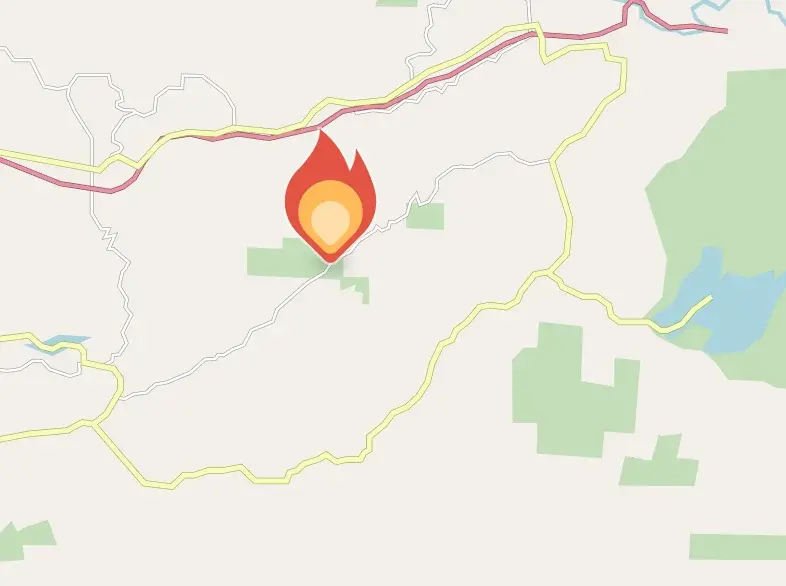
Multiple wildfires ignited across California on October 15, 2026, driven by strong Santa Ana winds and high temperatures. The largest incident, the Henderson fire, consumed over 1,000 acres at Camp Pendleton in San Diego, forcing the temporary closure of Interstate 5 and triggering evacuations. Simultaneous blazes occurred in Los Angeles County, including the Peak fire in Azusa and the Bryson fire in Malibu. Officials warned that critical fire weather conditions would persist through Saturday, exacerbating risks due to a developing El Niño and recent storm damage.
Key points
- The Henderson fire, located at the Camp Pendleton Marine Corps base, burned over 1,000 acres by 6 PM on October 15 and remained 0% contained.
- Interstate 5 was temporarily closed in both directions during the afternoon commute due to smoke and fire activity, causing significant traffic delays between San Diego and Los Angeles.
- Evacuation orders were issued for the Henderson fire and later lifted by Thursday night, while evacuation warnings were issued for fires in Azusa and Malibu.
- The Peak fire in Azusa grew to 43 acres within two hours of ignition but was largely contained, downgrading mandatory evacuations to warnings.
- The Bryson fire in Malibu reached approximately 80 acres by 6 PM, with embers carried by winds fueling its spread.
- Nearly 62,000 customers in 26 northern California counties lost power as Pacific Gas and Electric Company proactively shut off electricity to prevent fire sparks.
Background
California experienced a tumultuous start to autumn 2026, marked by severe heatwaves, high surf, and flooding. The current fire risk follows the devastating 2025 firestorm in Los Angeles, which killed over 30 people and destroyed more than 16,000 structures. Residents are now facing a 'weather whiplash' as the state transitions from storm damage to extreme fire danger, with experts noting that a potentially historic El Niño is expected to increase the likelihood of a wet winter, complicating recovery efforts from burn scars and landslides.
How outlets are covering it
The Guardian emphasized the broader climatic context, linking the fires to a developing El Niño and the state's recent storm surge, while highlighting the psychological impact on residents recovering from the 2025 firestorm. 10News.com focused on the immediate logistical impact, detailing the traffic chaos caused by the Interstate 5 closure and the specific timeline of the Henderson fire's growth. Both outlets agreed on the severity of the Santa Ana winds but differed in emphasis: The Guardian stressed the long-term environmental risks, whereas 10News.com concentrated on the immediate infrastructure and traffic disruptions in North County San Diego.
Why it matters
The simultaneous ignition of multiple fires across Southern California highlights the extreme vulnerability of the region to rapid-fire spread during high-wind events. The closure of Interstate 5, a critical artery connecting Los Angeles and San Diego, demonstrates how natural disasters can paralyze regional transportation. Furthermore, the proactive power outages in Northern California and the warnings regarding El Niño-driven wet winters illustrate the complex, compounding hazards facing California, where fire risks are now intertwined with flood and landslide dangers from previous burn scars.
What to watch
Firefighters are expected to continue working overnight to contain the Henderson fire, with dry and windy conditions complicating efforts. The National Weather Service has issued fire weather warnings for parts of central and northern California through Friday morning, with critical conditions forecast to last through Saturday. Authorities are urging residents to clear streets, have emergency plans, and stay informed, while the state office of emergency services has increased coordination to support local officials. The likelihood of a wet winter due to El Niño adds another layer of risk, as burn scars from recent fires increase the potential for debris flows and landslides.
- Henderson Fire Map Watch Duty
- Fire crews battle brush fire in San Diego cbs8.com
- Evacuations issued as multiple wildfires ignite in hot, windy California The Guardian
- Henderson Fire grows to over 1,400 acres in Camp Pendleton, fueled by strong winds FOX 5 San Diego & KUSI News
- Henderson Fire forces temporary I-5 closure in North County, creating traffic chaos 10News.com
Want the full story? Read the original reporting
Read on Watch Duty