
Reno's rapid growth fuels catastrophic Hawk Fire
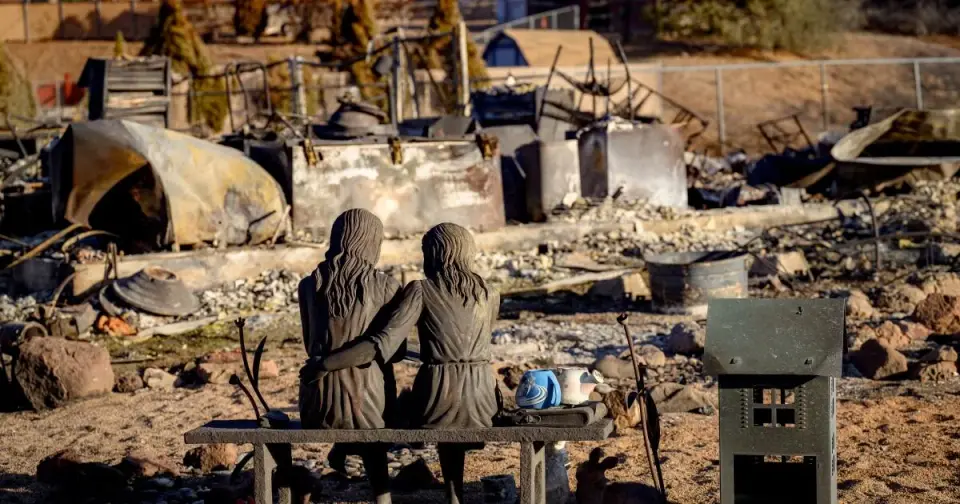
The Hawk Fire, which ignited near Reno on August 22, 2026, has burned over 15,000 acres and destroyed at least 47 homes, forcing the evacuation of more than 40,000 people. The blaze, which is now 85% contained, highlights the risks of rapid urban expansion into fire-prone wildland-urban interfaces. While the fire is human-caused, its origin remains undetermined, and it has caused injuries to civilians and firefighters. The incident underscores the growing national threat of wildfires in areas where development meets natural landscapes, exacerbated by climate change and population growth.
Key points
- The Hawk Fire started near Somersett, a master-planned community northwest of Reno, and has burned over 15,000 acres, destroying at least 47 homes.
- More than 40,000 people were evacuated, and the fire injured at least four civilians and three firefighters.
- Reno's population grew by 26% from 2010 to 2025, driven by an influx of Californians seeking cheaper housing and a booming tech industry.
- The fire is human-caused, but its origin is undetermined, and it has been 85% contained as of August 26, 2026.
- The incident highlights the risks of urban expansion into fire-prone areas, a trend that is accelerating across the United States.
Background
Reno has experienced significant population growth in recent years, with its population increasing by 26% from 2010 to 2025. This growth has been driven by an influx of Californians seeking cheaper housing and a booming tech industry. The city's expansion into fire-prone areas has raised concerns about the risks of wildfires, particularly as the climate changes and vegetation dries out. The Hawk Fire is the latest example of the growing threat of destructive urban conflagrations in these zones.
How outlets are covering it
The Los Angeles Times emphasizes the role of rapid urbanization and the expansion of the wildland-urban interface in increasing the risk of wildfires. CNN and KOLO focus on the immediate impact of the fire, including the evacuation of more than 40,000 people and the destruction of homes. KRXI2 highlights the personal stories of homeowners who have lost their homes and are now rebuilding. The sources generally agree on the facts of the fire, but they differ in their emphasis, with some focusing on the broader trends of urbanization and climate change, while others focus on the immediate human impact.
Why it matters
The Hawk Fire underscores the growing risk of wildfires in areas where urban development meets natural landscapes. As cities like Reno continue to expand into fire-prone areas, the risk of catastrophic fires increases. The incident also highlights the need for better planning and preparation to mitigate the risks of wildfires in these areas. The fire's impact on the community and the environment will have long-lasting consequences, and it will likely lead to increased scrutiny of urban planning and development in fire-prone areas.
What to watch
The fire is now 85% contained, and efforts are underway to secure lines and mop up. The origin of the fire remains undetermined, and investigators are still working to determine whether it was intentional or unintentional. The community is now focused on rebuilding and recovering from the fire, with many homeowners seeking support from the community, family, and friends. The incident will likely lead to increased scrutiny of urban planning and development in fire-prone areas, and it may prompt changes in policy and practice to mitigate the risks of wildfires in these areas.
- Reno became an affordable, booming destination. Fires show the limits of all that growth Los Angeles Times
- Reno-area wildfire’s advance has stopped, but work remains before evacuees can return, official says CNN
- Homeowners return to see what’s left of their homes after being burned by Hawk Fire KOLO | 8 News Now
- Hawk Fire destroys North Valleys homes, leaving families to rebuild from ashes KRXI2
- Hawk Fire: Nevada wildfire leaves 47 homes destroyed as thousands allowed to return home KCRA
Want the full story? Read the original reporting
Read on Los Angeles Times