
Record Drop in U.S. Drug Prices Sparks Debate Over Policy Credit
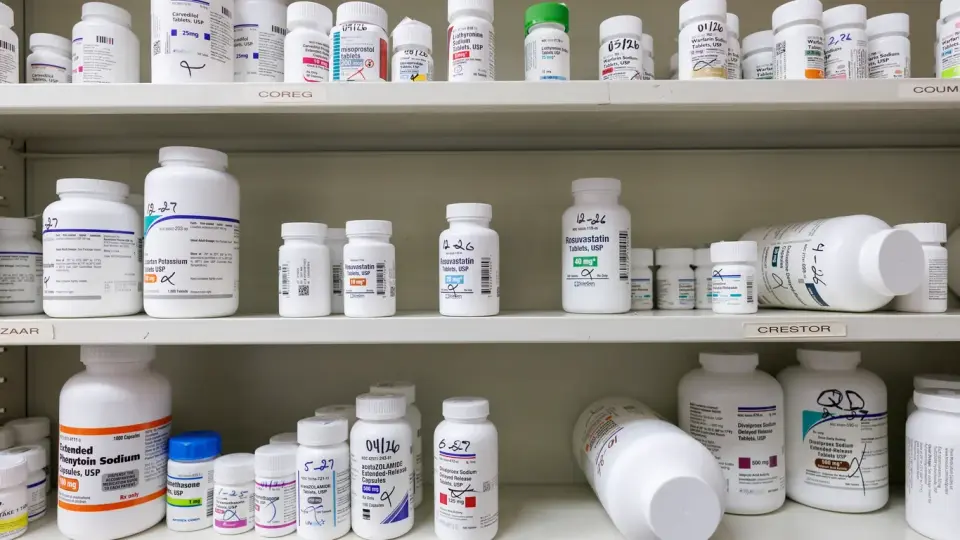
U.S. prescription drug prices fell 3.1% year-over-year in July, marking the steepest annual decline in over 60 years. While the White House credits recent administration deals, experts attribute the drop primarily to the Inflation Reduction Act and market forces.
Key points
- Bureau of Labor Statistics data shows prescription drug prices dropped 3.1% annually, the largest decline since 1963.
- The Inflation Reduction Act’s Medicare price negotiations took effect in January, cutting costs for 10 major drugs by up to 79%.
- White House initiatives, including TrumpRx and deals with Eli Lilly and Novo Nordisk, reduced cash prices for GLP-1 drugs.
- Market forces, such as the entry of generics and competition in the weight-loss drug sector, contributed significantly to the decline.
- Despite falling aggregate prices, 60% of Americans remain worried about affording medications, and 40% skipped doses due to cost.
Background
This development follows earlier reports in August 2026 confirming the record price drop and noting that the Bureau of Labor Statistics measures actual paid prices, which can fall due to insurer deals or shifts to cheaper generics rather than direct manufacturer cuts. Previous coverage also highlighted that private employers have not yet broadly covered GLP-1 drugs, and that the end of a Medicare subsidy in July could raise out-of-pocket costs for some seniors.
How outlets are covering it
The White House, including spokesperson Kush Desai, attributes the price drop to President Trump’s most-favored-nation deals and the TrumpRx platform, dismissing the Inflation Reduction Act’s role. Conversely, experts like Richard Frank and Stacie Dusetzina credit the Inflation Reduction Act and market dynamics, noting that Trump’s policies have limited reach or have not yet fully launched. The Washington Post and The Guardian highlight that the White House’s public celebration ignored expert attributions to Biden-era policies, while TipRanks focuses on potential market impacts on health care ETFs.
Why it matters
The decline offers a rare bright spot in inflation but does not guarantee relief for consumers, as complex pricing structures and copays remain a barrier. The debate over policy credit influences future health care legislation and market expectations for pharmaceutical companies.
What to watch
Watch for the full impact of Medicare price negotiations on broader drug categories and whether market forces continue to drive down prices for GLP-1 drugs. Monitor consumer affordability surveys and potential regulatory actions on drug pricing.
- Why prescription drug prices are plunging Axios
- Trump shows off article on lower drug prices that says Biden deserves credit, not him The Guardian
- Prescription drug prices record sharpest drop in more than 60 years The Washington Post
- How Trump’s Drug Price Claims Could Reshape Health Care and Biotech ETFs TipRanks
- Trump takes credit for prescription drug prices falling in July Spectrum News
Want the full story? Read the original reporting
Read on Axios