
Omaha schools ban police shock gloves after 2023 emails reveal district awareness
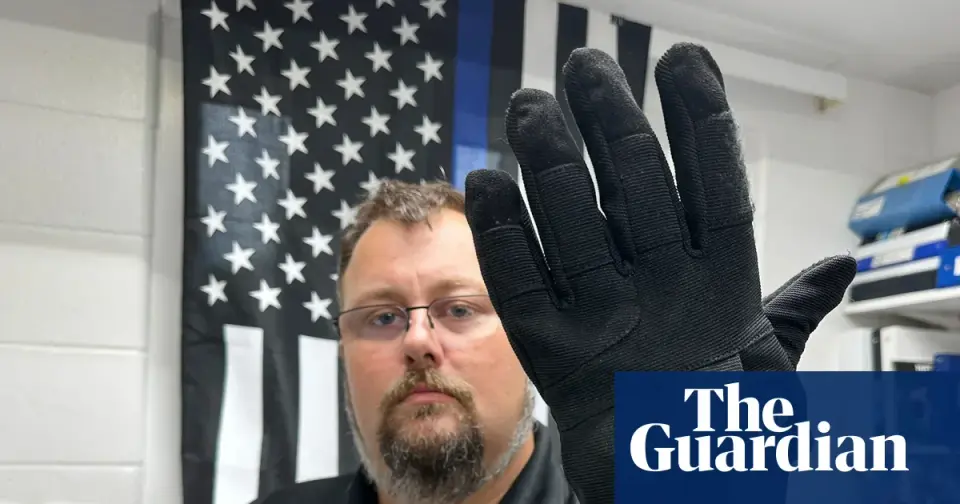
Omaha Public Schools (OPS) has banned police from carrying G.L.O.V.E. shock gloves in its buildings following public outcry and revelations that district officials were aware of the technology since 2023. While OPS Superintendent Matthew Ray claimed ignorance of the gloves until August 2026, internal emails show OPS school safety supervisors were notified in January 2023. The Omaha Police Department agreed to the ban, but Bellevue Police, which patrols two OPS schools, refused to remove the devices. The gloves, which deliver a low-voltage electric shock, were used twice on students during the 2025-26 school year, including one incident involving a student in a special education program. Critics argue the devices pose risks to students with disabilities, while police officials maintain they are a safer alternative to tasers.
Key points
- OPS Superintendent Matthew Ray requested the removal of G.L.O.V.E. gloves on August 18, 2026, citing safety concerns and community backlash.
- Omaha Police Department agreed to the request, though officers will retain other equipment like tasers and batons.
- Bellevue Police Department refused to remove the gloves from officers patrolling Bryan Middle and High Schools, which are part of the OPS district.
- Internal emails obtained by KETV and WOWT show OPS school safety supervisors were notified about the gloves in January 2023, contradicting Ray’s claim of recent awareness.
- The gloves were used twice on students in the 2025-26 school year, including a case involving a student in a special education program who threw a chair at a guard.
- The devices cost approximately $66,000 for 40 units and were approved by the Omaha City Council in June 2025 via a consent agenda.
Background
This controversy follows earlier coverage in August 2026 regarding the ban of shock gloves in Omaha schools. Previous reports highlighted the community backlash at school board meetings and the split decision between Omaha and Bellevue police departments. The current developments focus on the discrepancy between official statements and internal communications regarding when district leadership was informed about the technology.
How outlets are covering it
The Omaha Police Department, led by Chief Todd Schmaderer, maintains that they communicated the presence of the gloves to OPS school safety supervisors as early as 2023 and that the devices are a safe, less-lethal alternative to tasers. Schmaderer expressed frustration that the issue was framed as a sudden surprise, arguing that the lack of opposition from OPS at the time indicated acceptance. In contrast, OPS Superintendent Matthew Ray stated he was unaware of the gloves until August 2026, attributing the issue to communication gaps within the district. KETV and WOWT highlighted that while Ray was not directly copied on the emails, other OPS officials were, suggesting a breakdown in internal information sharing rather than a complete lack of knowledge. Bellevue Police Chief Ken Clary defended the continued use of the gloves, stating they are effective and cause no lasting injury. Critics, including parents and disability advocacy groups, argue that the devices are inappropriate for school settings, particularly for students with disabilities, and that the presence of police in schools creates a barrier to trust. Futurism contextualized the incident within broader trends of increased policing in schools and the disproportionate impact on Black and disabled students.
Why it matters
The incident highlights significant gaps in communication between school districts and law enforcement agencies regarding the deployment of new technologies in educational settings. It raises critical questions about the safety and appropriateness of using law enforcement tools, even those deemed 'less-lethal,' in environments where students, particularly those with disabilities, are present. The disagreement between Omaha and Bellevue police departments illustrates the lack of uniform policy on school safety technologies, potentially leading to inconsistent treatment of students across different jurisdictions. Furthermore, the revelation that district officials were aware of the gloves years before public outcry suggests a failure in transparency and oversight, which may erode public trust in both school and police institutions. The case also underscores the ongoing debate about the role of police in schools and the potential for new technologies to exacerbate existing disparities in student discipline and safety.
What to watch
OPS Superintendent Matthew Ray has indicated that the district will review its communication processes to identify where information failed to reach leadership. Millard and Westside school districts, which have not yet banned the gloves, are investigating the technology and may make decisions in the coming weeks. Bellevue Police will continue to use the gloves in the two OPS schools they patrol, potentially leading to further conflict between the district and the police department. The Omaha City Council may review its consent agenda process to ensure greater transparency for future purchases of police technology. Advocacy groups may push for broader bans on police presence in schools or stricter regulations on the use of less-lethal weapons in educational settings.
- Nebraska school district asks police to stop using shock gloves on students The Guardian
- EXCLUSIVE: Omaha Police Chief says opinions not changed after meeting with OPS leaders on shock gloves WOWT
- KETV obtains emails from 2023 notifying districts, including OPS, about shock gloves KETV
- Omaha Schools Ban Electric Shock Gloves Used on Two Students After Uproar Newsweek
- Cop Used Electrocution Gloves to Subdue High School Student in Special Education Program Futurism
Want the full story? Read the original reporting
Read on The Guardian